
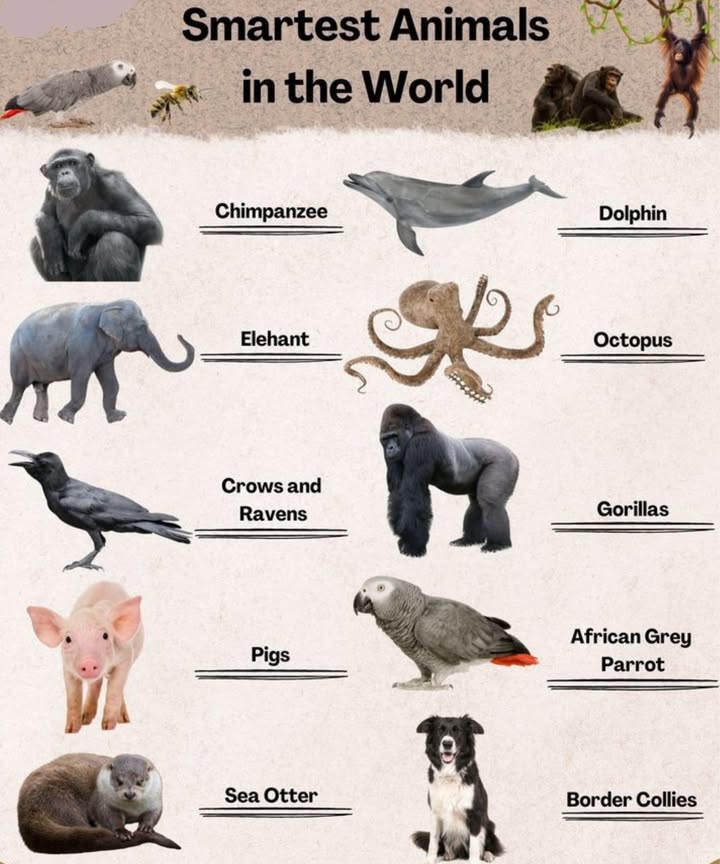
The Smartest Animals in the World! 易 易 Chimpanzees Our closest cousinsthey use tools, solve puzzles, and navigate complex social dynamics. Dolphins Masters of the sea! Communicate in […]
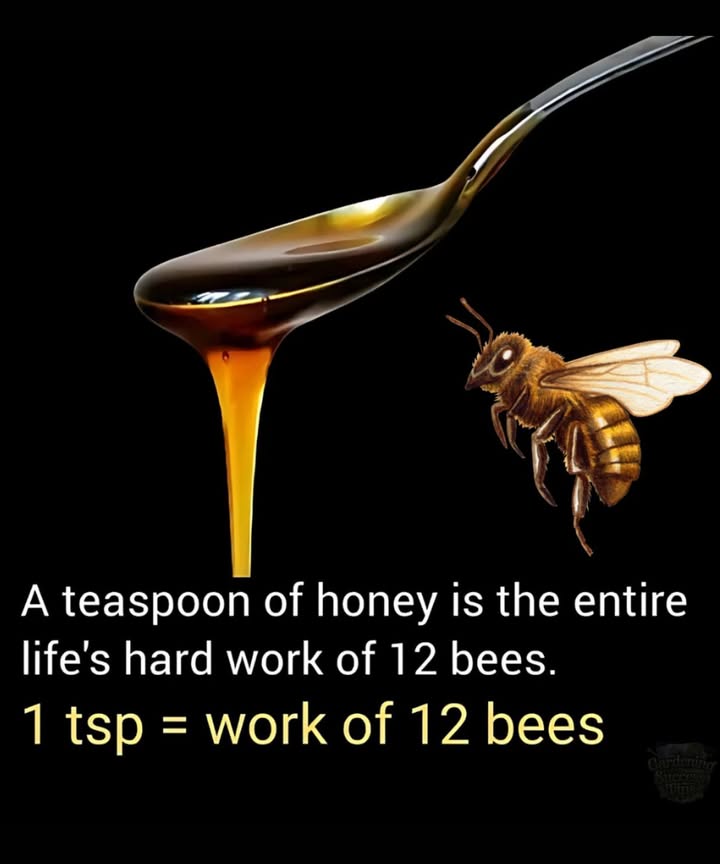
A Drop of Gold, A Lifes Work Just one teaspoon of honey represents the lifetime effort of 12 bees. Every drop is a gift of labor, teamwork, and pollinationessential not just for honey, but for life itself. Lets respect the bees.
A Drop of Gold, A Lifes Work Just one teaspoon of honey represents the lifetime effort of 12 bees. Every drop is a gift of labor, teamwork, and […]
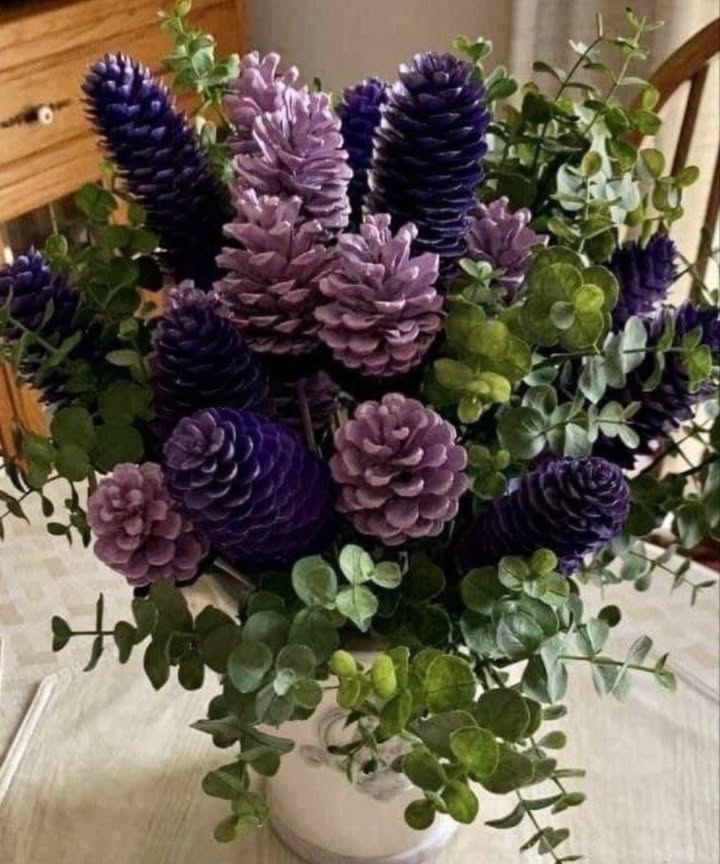
I never thought painting pine cones could be so beautiful! 朗
I never thought painting pine cones could be so beautiful! 朗 AvaHi there — I’m Ava, the creator behind Ava Garden Tips 🌿 I’ve always been passionate about plants, flowers, and […]
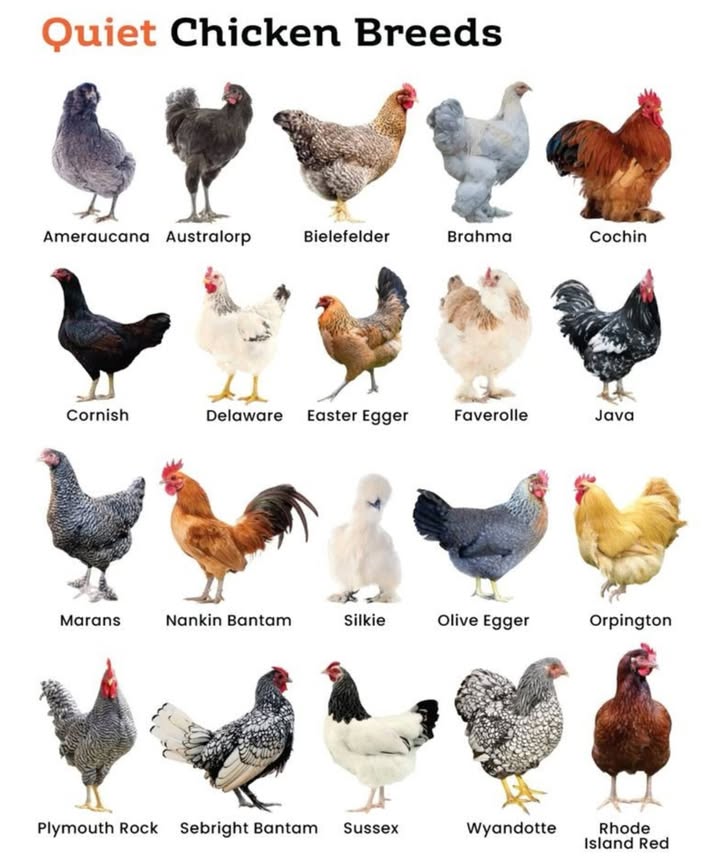
Listen to the Silence! 狼 Quiet Chicken Breeds for Peaceful Backyards! Ameraucana Lays: Blue eggs Calm, reserved, and low-noise Australorp Lays: Brown eggs Quiet, friendly, and super productive Bielefelder Lays: Large brown eggs Gentle giants with mild personalities Brahma Cold-hardy & calm One of the quietest large breeds Cochin Fluffy and docile Great for kids and quiet coops Cornish Less active = less noisy Mainly meat birds, but very calm Delaware Friendly and laid-back Calm nature, perfect for dual-purpose Easter Egger Lays: Blue, green, or pink eggs Sweet-tempered and calm Faverolle Extremely docile and chat quietly Ideal for gentle flocks Java Rare heritage breed Hardy, calm, and quiet Marans Lays: Dark chocolate eggs Gentle, quiet foragers Nankin Bantam Tiny & docile Naturally quiet and sweet Silkie Fluffy lap chickens Super gentle and barely make a peep Olive Egger Lays: Olive-green eggs Hybrid of quiet, calm breeds Orpington Known for friendliness One of the quietest and best for families Plymouth Rock Easygoing & adaptable Moderate noise levels Sebright Bantam Ornamental and small Lower volume by nature Sussex Curious, friendly, and usually quiet Great layers too! Wyandotte Balanced temperament Hardy and gentle cluckers Rhode Island Red Moderate noise Individual temperament varies 律 Tips for a Quieter Coop: Choose calm breeds Start with natures introverts! Keep them busy Toys, dust baths, and free-ranging reduce boredom and noise!. Create comfort A secure, cozy coop = happier, quieter hens.
Listen to the Silence! 狼 Quiet Chicken Breeds for Peaceful Backyards! Ameraucana Lays: Blue eggs Calm, reserved, and low-noise Australorp Lays: Brown eggs Quiet, friendly, and super productive […]
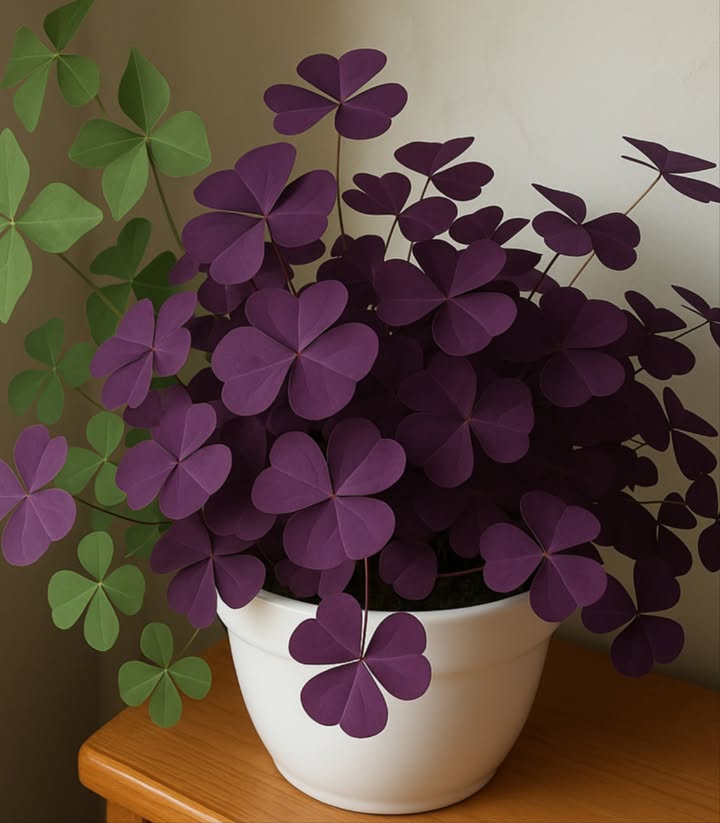
A plant that seems straight out of a fairy tale is Oxalis triangularis, also known as purple shamrock. Its vibrant purple, triple-heart-shaped leaves open and close in time with the light, creating a natural spectacle full of life and movement. This plant stands out not only for its color but also for its elegance and lightness. Its perfect for beautifying interiors, balconies, or spaces with indirect light, where its vibrant hues contrast beautifully with white or decorative ceramic pots . Its foliage can also come in shades of green, as seen in this image, adding even more charm to its appearance. Purple shamrock is easy to care for: it prefers bright but soft light, moderate watering, and a well-drained substrate . It also has the ability to go dormant during cold or dry periods, only to sprout again with greater vigor. It is a lively, sensitive, and grateful plant. It symbolizes good luck, love, and balance. Many people choose it for its clover-like shape, associated with good fortune, and for its rarity, making it a true treasure for collectors and lovers of the unusual. You can find it in ornamental plant nurseries or search for it online as Oxalis triangularis, purple clover, or purple butterfly plant.
A plant that seems straight out of a fairy tale is Oxalis triangularis, also known as purple shamrock. Its vibrant purple, triple-heart-shaped leaves open and close in time […]
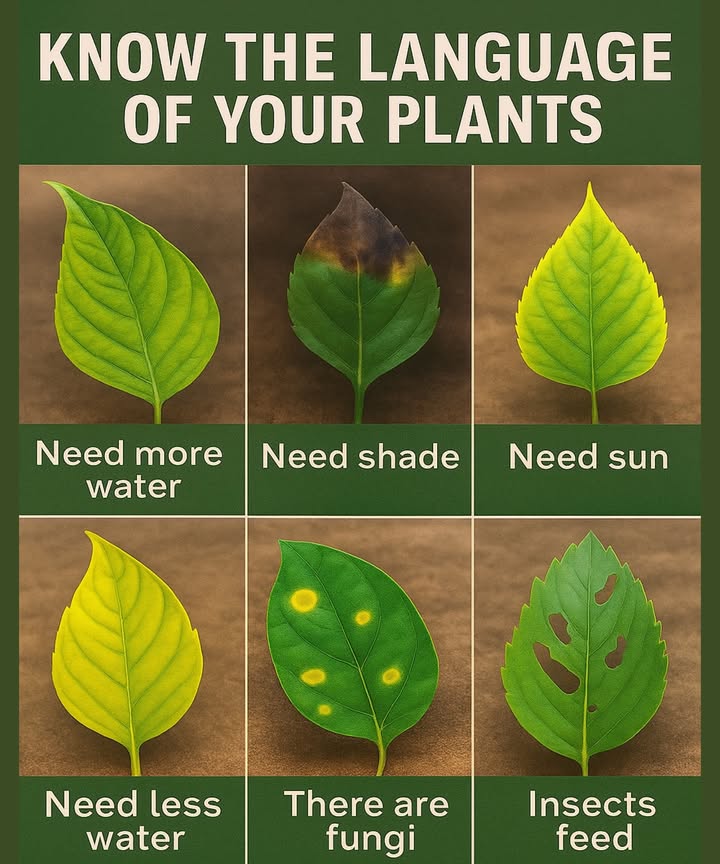
Know the Language of Your Plants Need More Water Signs: Leaves appear wilted, limp, or faded in color. Fix: Increase watering frequency. Check soil moisture regularly. Need Shade Signs: Leaf tips are scorched or burnt, usually turning brown or black. Fix: Move the plant to a spot with indirect light or provide a shade cloth. Need Sun Signs: Pale, yellow-green leaves that lack vibrancy. Fix: Place your plant in a brighter location with more direct or filtered sunlight. Need Less Water Signs: Yellowing leaves, often starting at the tips or base. Fix: Let the soil dry out between waterings and ensure proper drainage. There Are Fungi Signs: Circular yellow or brown spots on the leaves. Fix: Prune affected areas, improve air circulation, and avoid wetting the leaves. Insects Feed Signs: Holes or chewed-out sections in the leaves. Fix: Inspect for pests like caterpillars or beetles and use natural repellents or insecticidal soap. Pro Tip: Healthy leaves are vibrant, evenly colored, and free from spots or damage. A regular check-in with your plants can prevent small issues from becoming big problems.
Know the Language of Your Plants Need More Water Signs: Leaves appear wilted, limp, or faded in color. Fix: Increase watering frequency. Check soil moisture regularly. Need Shade […]
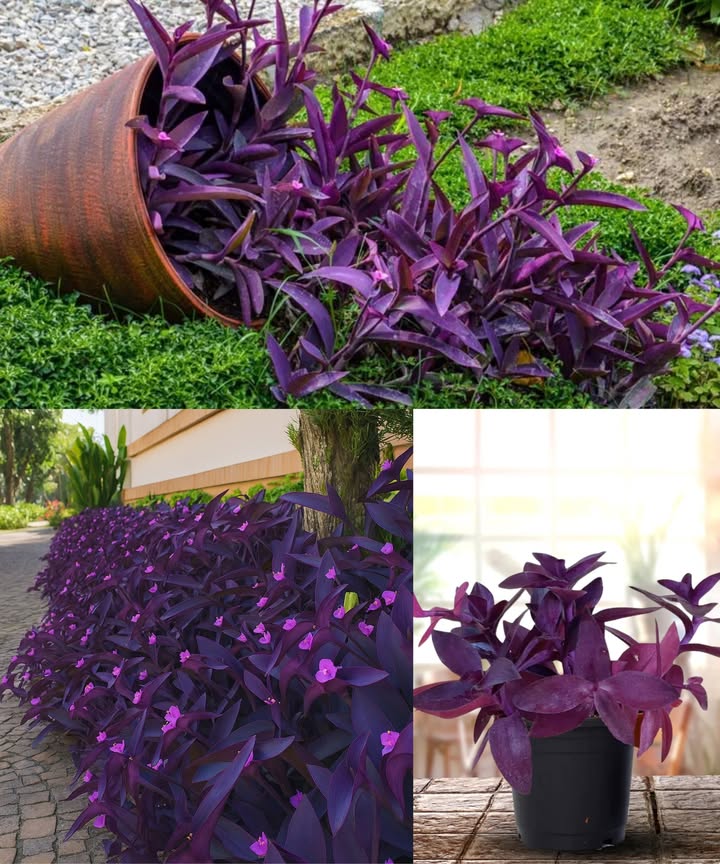
Purple Heart Tradescantia pallida Care Made Easy Show off those stunning purple, trailing stems! Light: Bright, indirect light is idealsome direct sun deepens the color. Water: Let the top inch of soil dry; keep soil lightly moist, never soggy. Soil: Use a well-draining potting mix. Temperature: Thrives at 6080F 1627C with average humidity. Where to Show Off Your Purple Heart: Hanging baskets Shelves Groundcover for a bold pop of color Pro Tips for a Thriving Plant: Fertilize monthly in spring and summer. Prune to keep it bushy and full. Pinch back stems to encourage branching. Propagate easily from stem cuttings. A low-maintenance beauty that rewards you with rich, vibrant foliage!
Purple Heart Tradescantia pallida Care Made Easy Show off those stunning purple, trailing stems! Light: Bright, indirect light is idealsome direct sun deepens the color. Water: Let the […]

Spiders avoid humans and are not dangerous in most cases. If you see one indoors, calmly relocate it instead of killing it. Theyre not here to harm youtheyre just trying to live. Be kind to everyone.
Spiders avoid humans and are not dangerous in most cases. If you see one indoors, calmly relocate it instead of killing it. Theyre not here to harm youtheyre […]
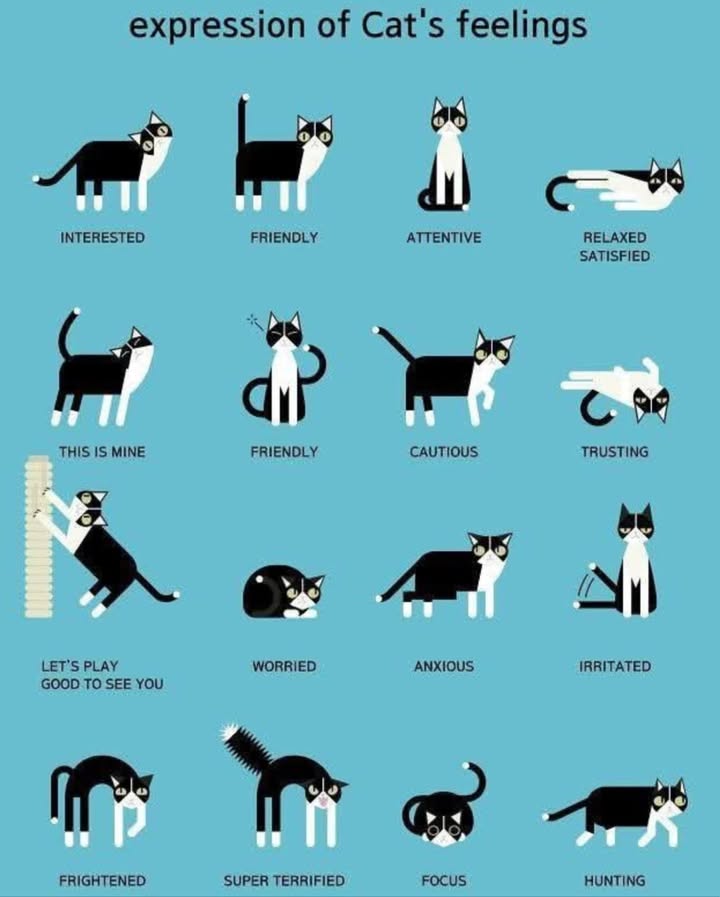
Decoding Your Cat: Understand Feline Feelings Through Body Language! Cats may not talk, but theyre constantly communicating! From playful twitches to subtle ear flicks, heres how to tell what your kitty is really feeling. Positive Emotions Curious & Interested Ears forward, eyes wide, body leaning in theyre ready to explore! Friendly Rubbing your leg? Upright tail with a curl? Thats love and comfort. Attentive Ears perked, still body theyre watching and waiting. Relaxed & Happy Lounging, loose muscles, slow tail swish = total zen. Youre Mine Cheek rubs or kneading = scent marking & affection. Trusting Exposes belly = deep trust not always an invite to rub!. Playful & Excited Bouncy steps, twitchy upright tail, dilated pupils = Lets play! Negative Emotions Cautious Low body, swiveling ears, narrowed eyes assessing danger. Worried Tense posture, wide eyes, tail tucked = Im unsure Anxious Pacing, grooming, panting stress signs are stacking up. Irritated Flattened ears, flicking tail, growling = Back off! Scared Hiding, dilated pupils, tightly curled body fear in full effect. Super Terrified Arched back, puffed-up fur, hissing or fleeing total panic mode. Other Moods Hunting/Focused Low stalk, twitchy tail, locked eyes, dilated pupils the predator awakens! 易 Pro Tip: Always watch the ears, eyes, tail, and posture they reveal more than meows ever could!
Decoding Your Cat: Understand Feline Feelings Through Body Language! Cats may not talk, but theyre constantly communicating! From playful twitches to subtle ear flicks, heres how to tell […]
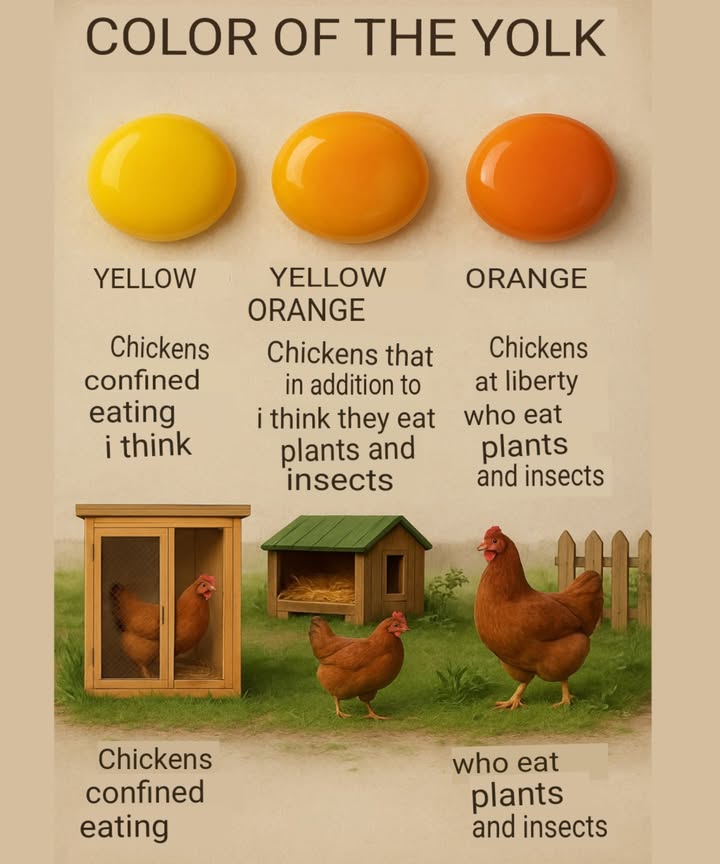
The color of the egg is what the hen decides. She eats more corn and more carotene and others achieve a stronger color, but if she eats more concentrated wheat and sebaceous, the egg color will be paler. However, now farms also achieve very yellow-orange issues with chemicals, its that easy. They shouldnt carry it because of the color. Its better to see where the eggs come from and never ever imported ones, which is very doubtful because of the price and time from the farm to your table, always thinking.
The color of the egg is what the hen decides. She eats more corn and more carotene and others achieve a stronger color, but if she eats more […]