
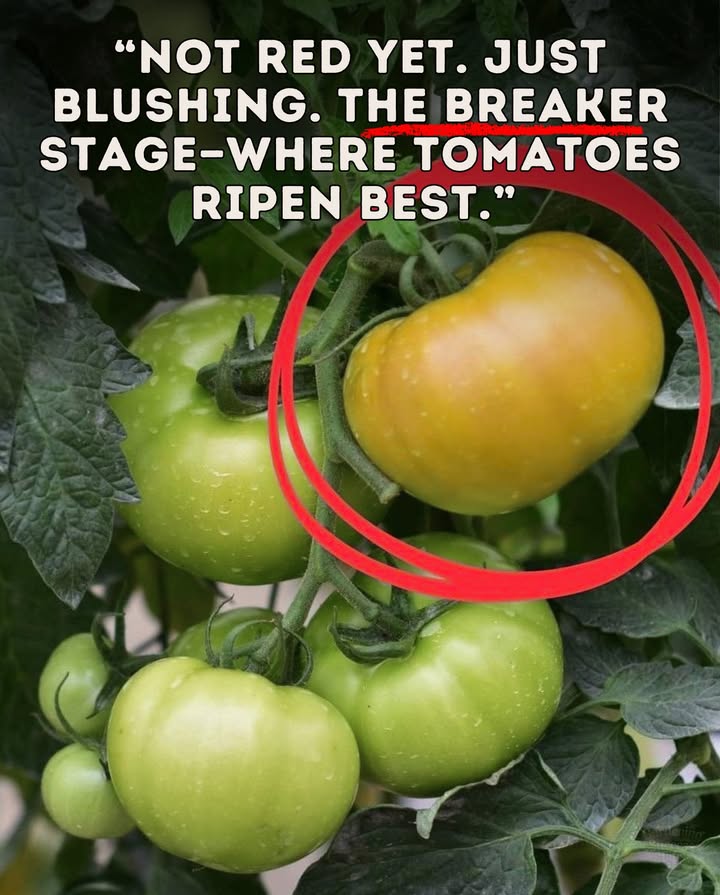
The secret is the breaker stagewhen fruits just start to blush. At this point, the tomato already has everything it needs to ripen off the vine. Why it […]
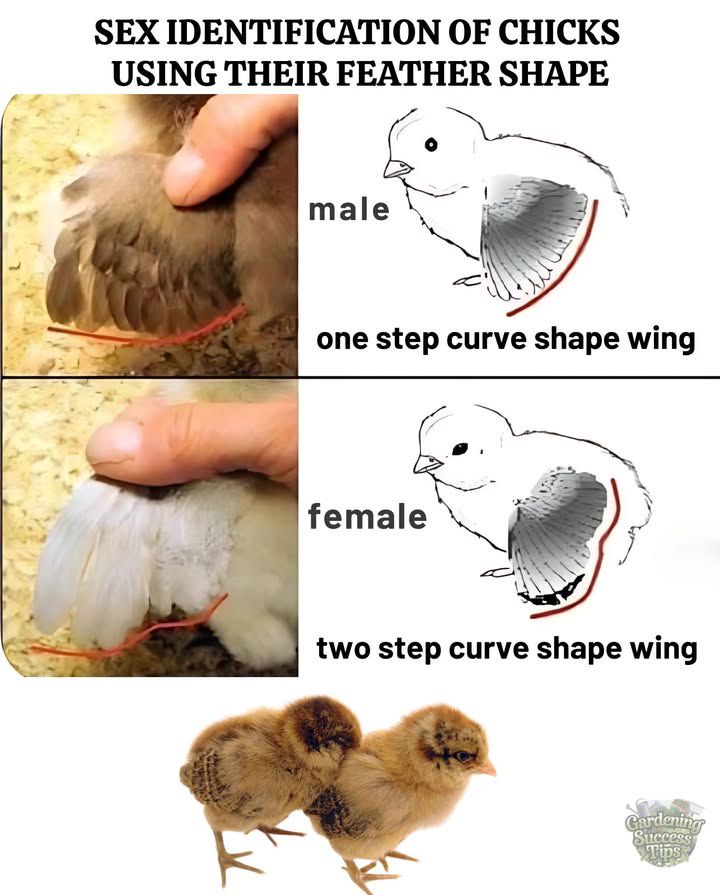
Chick Sexing by Feather Shape A practical, non-invasive method for early identification: Female chicks: Primary feathers grow faster than covert feathers Male chicks: Primary and covert feathers grow at similar lengths Works best on certain fast-feathering breeds Observe feather curvefemales show a two-step shape, males a single curve Ideal during the first few days after hatching Useful for small-scale backyard flocks and breeders alike
Chick Sexing by Feather Shape A practical, non-invasive method for early identification: Female chicks: Primary feathers grow faster than covert feathers Male chicks: Primary and covert feathers grow […]
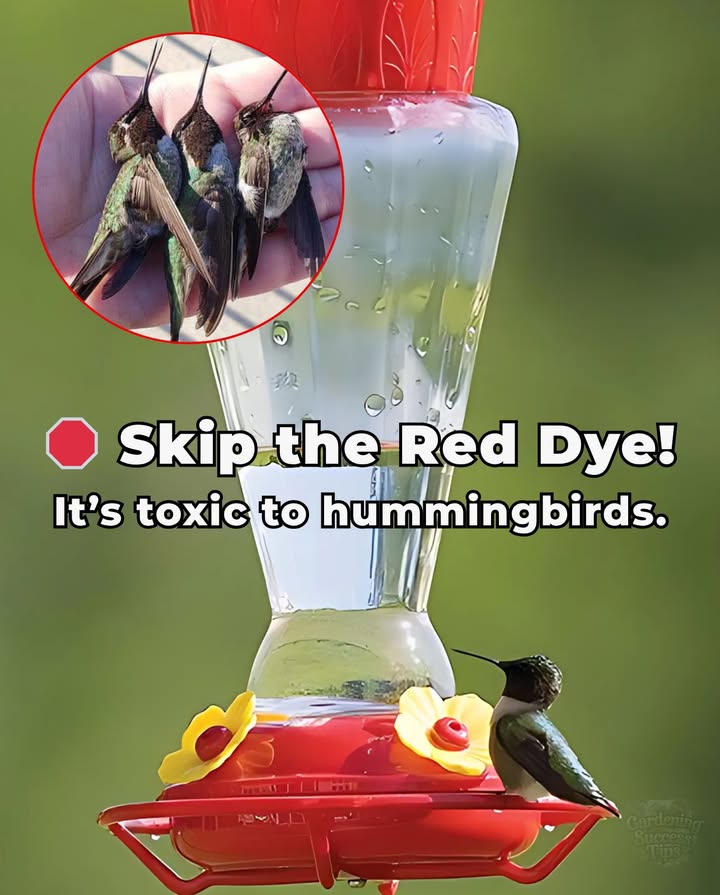
Stop Using Red Dye in Hummingbird Feeders Its toxic, unnecessary, and can harm the very birds you want to help Red dye contains chemicals and petroleum-based additives that damage their kidneys and liver over time Use only plain sugar waternothing else For an even better food source, plant native flowers like bee balm, trumpet honeysuckle, and cardinal flowers
Stop Using Red Dye in Hummingbird Feeders Its toxic, unnecessary, and can harm the very birds you want to help Red dye contains chemicals and petroleum-based additives that […]
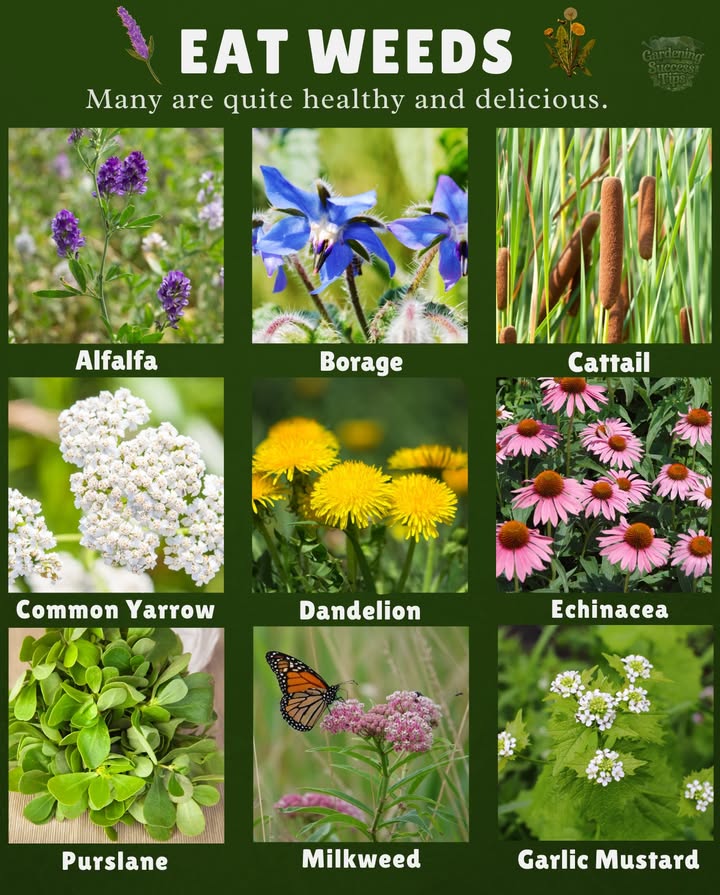
Eat These Wild Weeds Theyre Delicious & Nutritious! Many common weeds are edible and packed with health benefits: Alfalfa Fresh in salads or tea Borage Flowers in salads; leaves for tea Cattail Young shoots for soups; pollen for pancakes Common Yarrow Raw, cooked, or in brews Dandelion Vitamin-rich leaves, raw or sautéed Echinacea Leaves & petals for teas Garlic Mustard Spicy roots & greens for salads Milkweed Fry flowers or stew young pods Purslane Citrusy, rich in omega-3s Wild Bee Balm Fragrant leaves & blooms for salad or tea Natures pantry is everywhereharvest wisely!
Eat These Wild Weeds Theyre Delicious & Nutritious! Many common weeds are edible and packed with health benefits: Alfalfa Fresh in salads or tea Borage Flowers in salads; […]
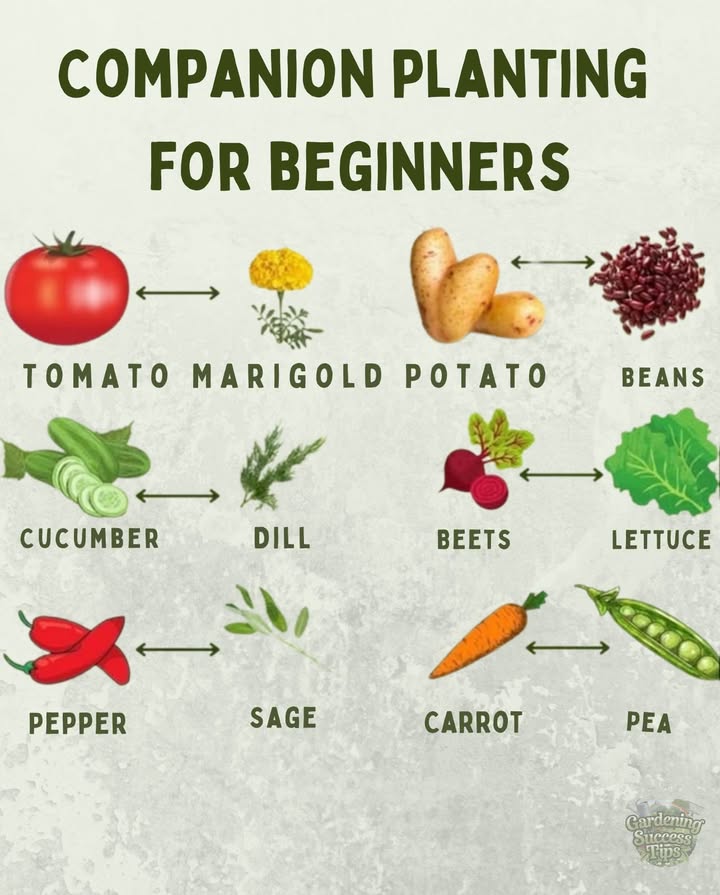
Companion planting made simple plants that help each other thrive: Tomato Marigold protection and strength 凜 Potato Beans shared space, better yield 勒 Cucumber Dill fresh growth and harmony 塞 Beets 綾 Lettuce balanced soil, happy roots Pepper Sage flavor and resilience 凌 Carrot Pea sweet roots and steady support
Companion planting made simple plants that help each other thrive: Tomato Marigold protection and strength 凜 Potato Beans shared space, better yield 勒 Cucumber Dill fresh growth and […]
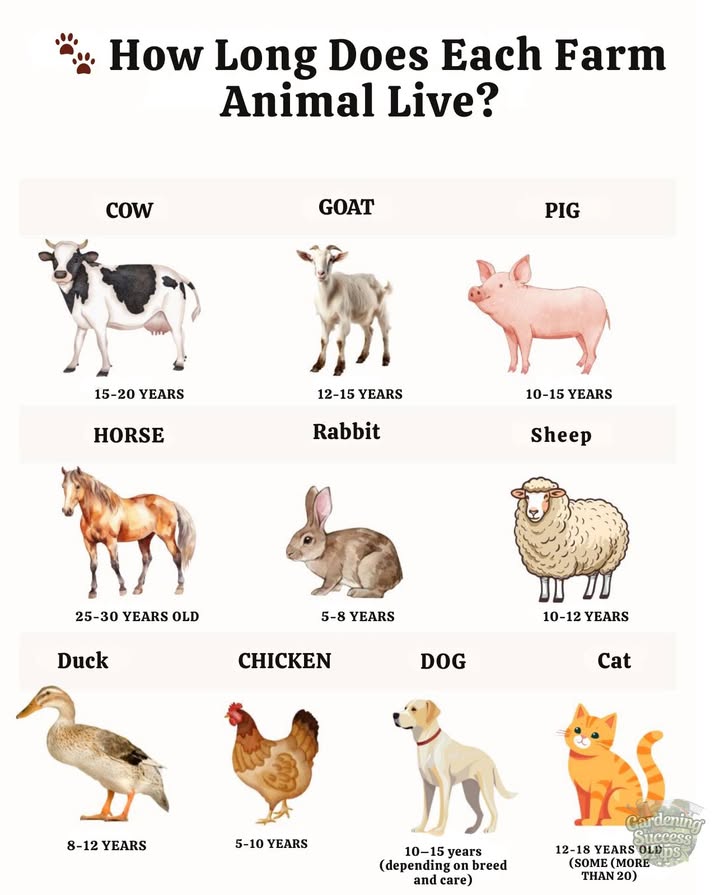
Lifespan of Farm Animals Knowing the life expectancy of animals allows for better management, ensures their well-being, and optimizes their productivity.
Lifespan of Farm Animals Knowing the life expectancy of animals allows for better management, ensures their well-being, and optimizes their productivity. AvaHi there — I’m Ava, the creator behind Ava […]
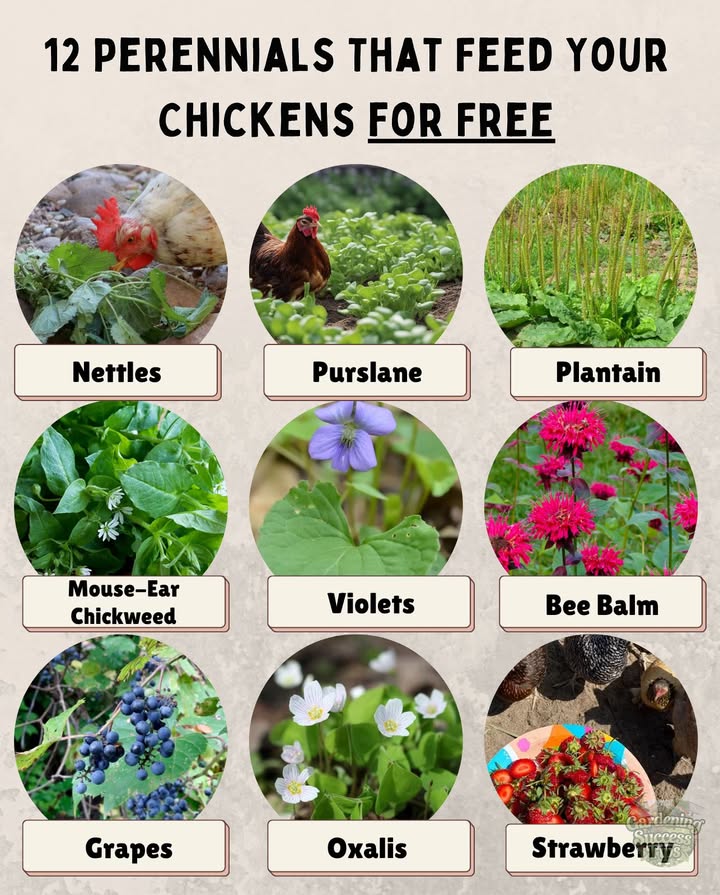
Naturally Feed Your Chickens with These 12 Perennial Weeds! These hardy plants grow on their own and provide consistent nutrition for your backyard flock: 1. Nettles High in minerals for laying hens 2. Purslane Omega-3-rich succulent leaves 3. Plantain Edible, soothing leaves 4. Mouse-Ear Chickweed Tender greens they love 5. Violets Mild and nutrient-rich 6. Bee Balm Aromatic and pollinator-friendly 7. Grapes Fruit and shade from the vines 8. Strawberries Sweet groundcover rewards 9. Oxalis Yellow Wood Sorrel Tart leaves they enjoy 10. Perennial Clover Protein-packed ground cover 11. Dandelion Edible leaves, flowers, and roots 12. Raspberry & Blackberry Antioxidant-rich foraged treats These perennials regenerate each year, cutting feed costs while boosting your flocks diet!
Naturally Feed Your Chickens with These 12 Perennial Weeds! These hardy plants grow on their own and provide consistent nutrition for your backyard flock: 1. Nettles High in […]
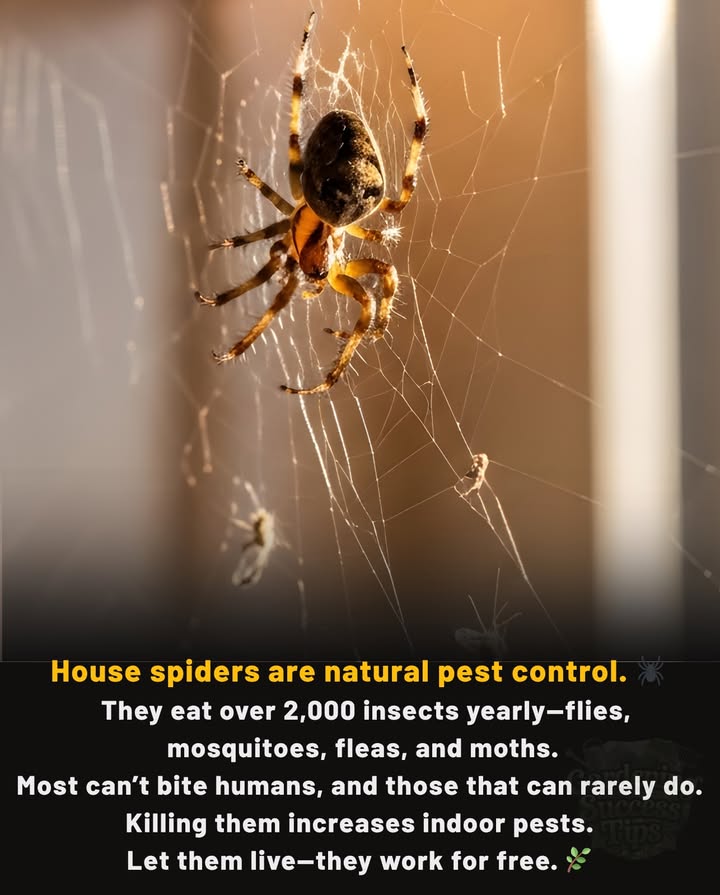
Hello, Im the Spider I eat 2,000 bugs a yearflies, fleas, gnats, and roaches Im harmless unless you grab me I keep your home clean, naturally Im not your enemyjust your quiet roommate. Let me stay, and Ill keep the pests away.
Hello, Im the Spider I eat 2,000 bugs a yearflies, fleas, gnats, and roaches Im harmless unless you grab me I keep your home clean, naturally Im not […]
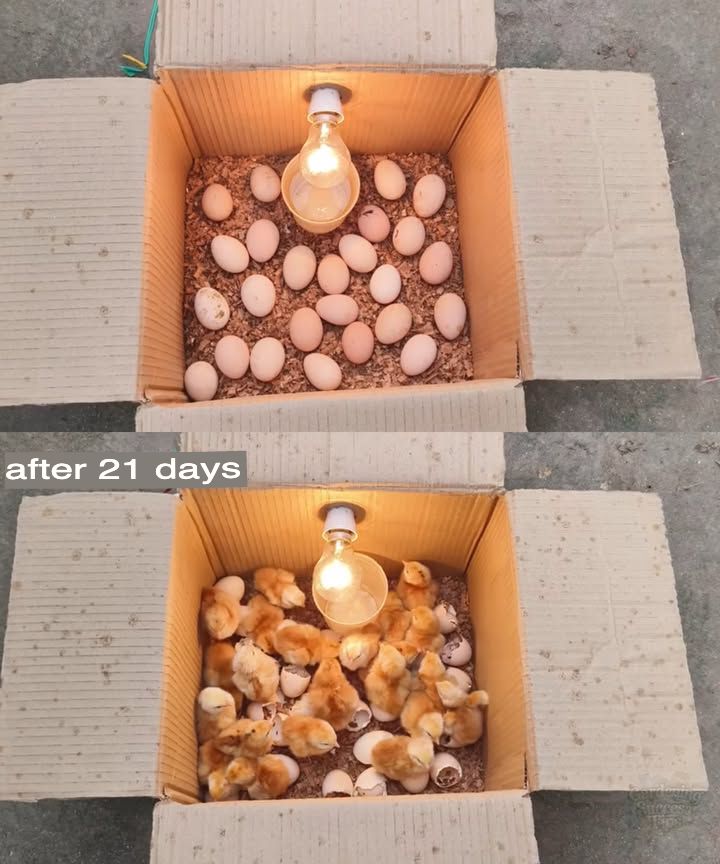
Discover how to create a simple home incubator for chicken eggs! Necessary materials: A sturdy cardboard box A light bulb with socket and electrical cord A thermometer and hygrometer Sawdust or shredded paper for bedding A water container for humidity Fertilized eggs Manufacturing steps: 1. Prepare the box Take a cardboard box large enough to hold the eggs. Add a layer of sawdust or paper for good thermal retention. 2. Install the heat source Attach an incandescent bulb to the center of the lid or on one side of the box. It will help maintain a constant temperature. 3. Monitor temperature and humidity Place a thermometer and hygrometer inside. The ideal temperature is about 99.5F, and humidity should be between 50 and 60%. Add a water container to maintain humidity. 4. Place the eggs Put the fertilized eggs in the box, spaced apart for good air circulation. 5. Turn the eggs regularly Gently turn the eggs 2 to 3 times a day to prevent the embryo from sticking to the shell. 6. Monitor and adjust Check the temperature and humidity daily. Adjust the height of the bulb if necessary. 7. Hatching after 21 days Around day 18, stop turning the eggs and slightly increase humidity 65-70% to facilitate hatching. After 21 days, the chicks should start to hatch! This simple method allows you to incubate eggs economically at home!
Discover how to create a simple home incubator for chicken eggs! Necessary materials: A sturdy cardboard box A light bulb with socket and electrical cord A thermometer and […]
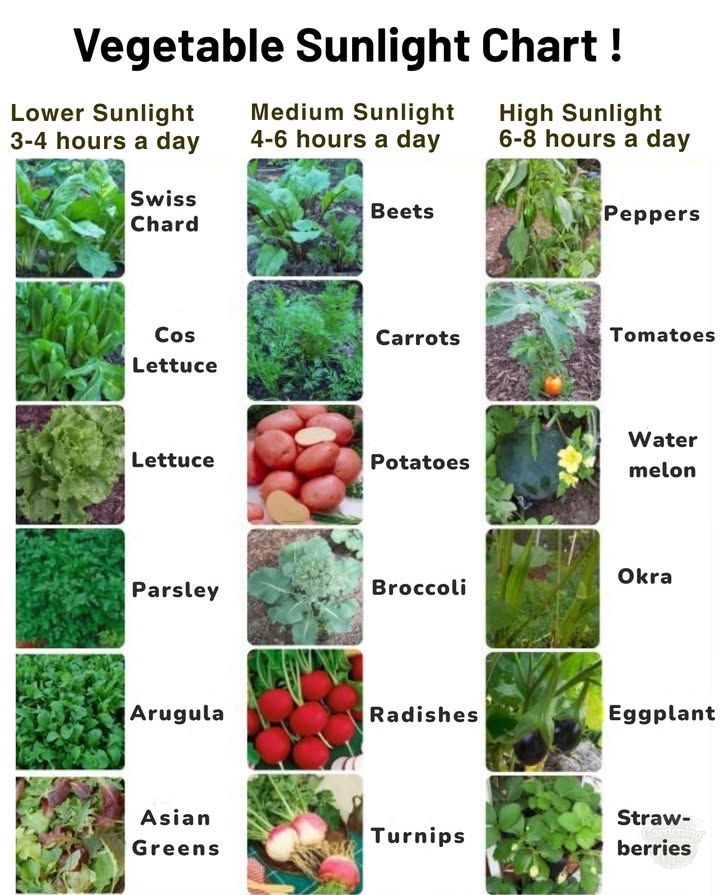
Vegetable Sunlight Guide Not all veggies need full sun! Heres how much sunlight your crops need to thrive: Lower Sunlight 34 hrs/day: Swiss Chard Zones 39 Cos Lettuce Zones 49 Lettuce Zones 49 Parsley Zones 49 Arugula Zones 39 Asian Greens Zones 39 Medium Sunlight 46 hrs/day: Beets Zones 49 Carrots Zones 39 Potatoes Zones 39 Broccoli Zones 59 Radishes Zones 310 Turnips Zones 39 High Sunlight 68 hrs/day: Peppers Zones 911 annual / 38 as annuals Tomatoes Zones 59 annual / warm climates longer Watermelon Zones 39 Okra Zones 511 Eggplant Zones 512 Strawberries Zones 310
Vegetable Sunlight Guide Not all veggies need full sun! Heres how much sunlight your crops need to thrive: Lower Sunlight 34 hrs/day: Swiss Chard Zones 39 Cos Lettuce […]