

Butterfly Garden Inspiration 曆 Design a vibrant island bed packed with blooms that butterflies cant resist! Perfect for Zones 310, this planting plan combines texture, color, and pollinator […]
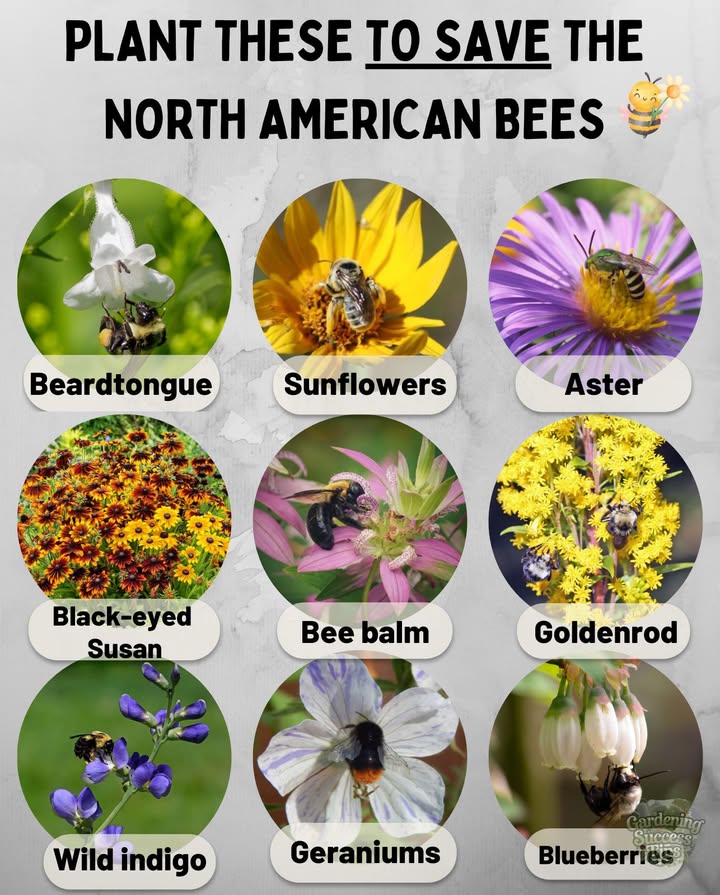
Save North American Bees Plant Natives! Support native bees by planting wildflowers that evolved with them. These plant families are bee magnets just make sure to choose species native to your region: – Sunflowers Helianthus – Asters Symphyotrichum – Bee balm Monarda – Goldenrod Solidago – Black-eyed Susan Rudbeckia – Penstemon, Coreopsis, Violets, Geraniums – Wild indigo, Blueberries Vaccinium Find local natives using: Native Plant Finder NWF BONAP Atlas Lady Bird Johnson Center Local Native Plant Society Wild Ones iNaturalist Audubons Native Plant Tool Every native plant helps restore the ecosystem and feed the bees!
Save North American Bees Plant Natives! Support native bees by planting wildflowers that evolved with them. These plant families are bee magnets just make sure to choose species […]
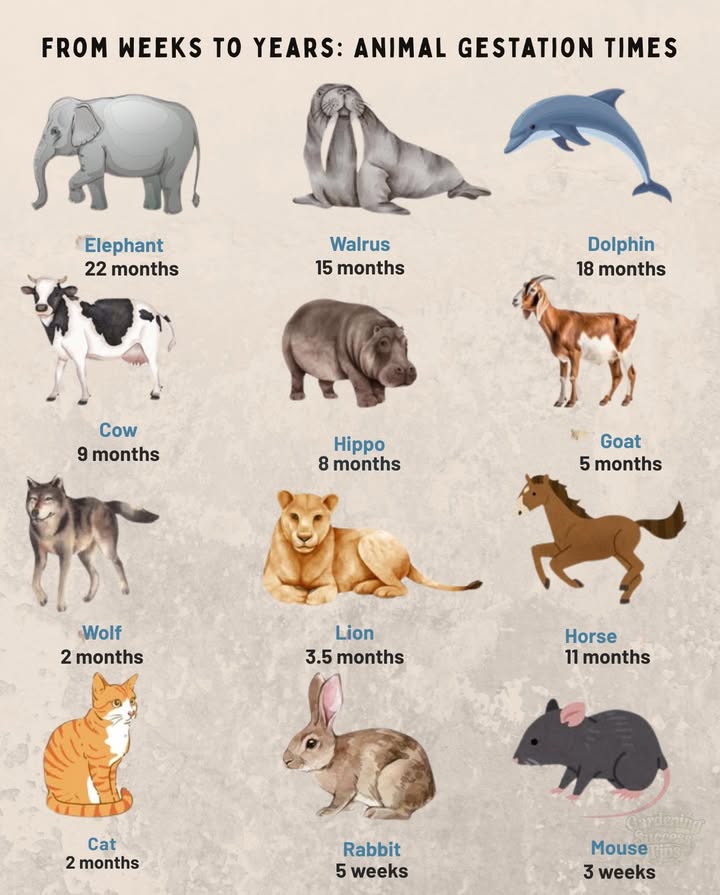
The gestation period is a crucial aspect of reproductive biology in animals and shows significant variations among different species. Animals with the longest gestation periods include the elephant and the whale, while those with shorter periods are the mouse and the hamster. Here are some examples of long gestation periods in various species: – Elephant: 22 months almost 2 years – Whale: 14-16 months – 憐 Rhinoceros: 15-16 months – 鍊 Hippopotamus: 8 months – 漣 Giraffe: 15 months And here are some examples of short gestation periods: – Mouse: 19-21 days – Rabbit: 28-32 days – Cat: 63-65 days – Dog: 58-68 days – Hamster: 16-18 days It is important to note that the gestation period can vary considerably among different species, and even within the same species. Factors that can influence this period include: – Animal size: Larger animals tend to have longer gestations. – Mothers age: Young females tend to have shorter periods. – Environmental conditions: Factors such as temperature and food availability can impact the gestation period.
The gestation period is a crucial aspect of reproductive biology in animals and shows significant variations among different species. Animals with the longest gestation periods include the elephant […]
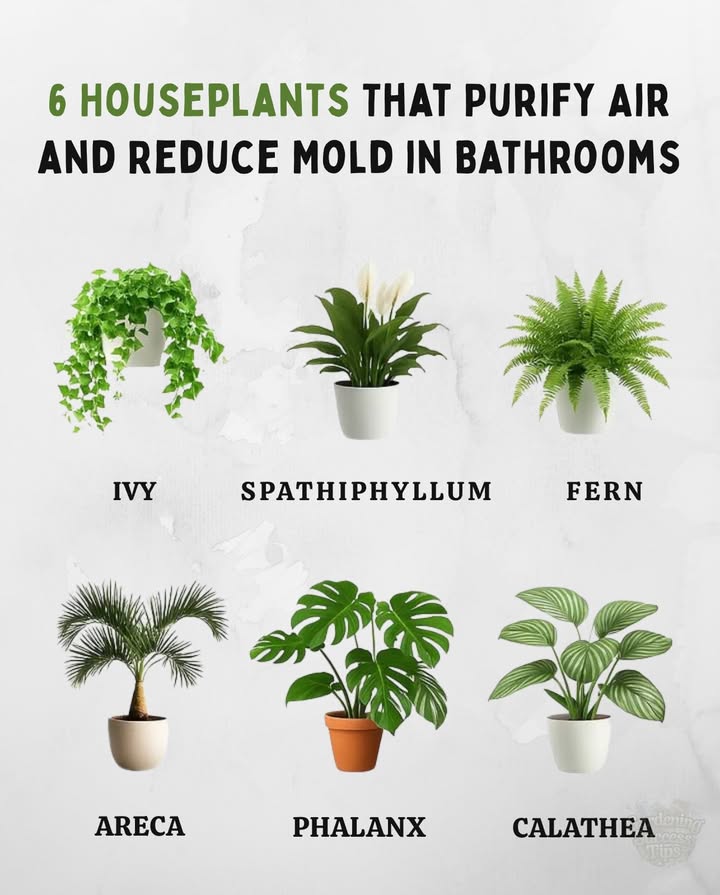
6 indoor plants that eliminate black mold from bathrooms and walls Here is a simplified method to prevent mold formation on the walls of your home using plants that can absorb moisture: 1. Identify the cause: First, identify and resolve the cause of excess moisture, such as a water leak or poor ventilation. 2. Choosing plants: Choose from these plants that help absorb moisture and prevent mold: – Ivy: Place ivy near walls or ceilings to absorb moisture and purify the air. – Peace Lily: It requires little light and its roots are excellent for absorbing moisture, preventing bacteria and mold. – Ferns: They adapt to low light and help purify the air while maintaining a less humid environment. – Areca Palm: Uses moisture to grow and prevents the development of mold and bacteria. – Spider Plant: Requires little attention and purifies the air, helping to keep walls free from mold. – Calathea: Native to the tropics, it absorbs moisture and is perfect for highly humid environments like bathrooms. 3. Positioning the plants: Place your chosen plants in the most humid areas of the house, such as a bathroom or poorly ventilated spots. By following these steps and choosing the right plants, you can effectively prevent mold formation on your homes walls naturally and without using harmful chemicals.
6 indoor plants that eliminate black mold from bathrooms and walls Here is a simplified method to prevent mold formation on the walls of your home using plants […]
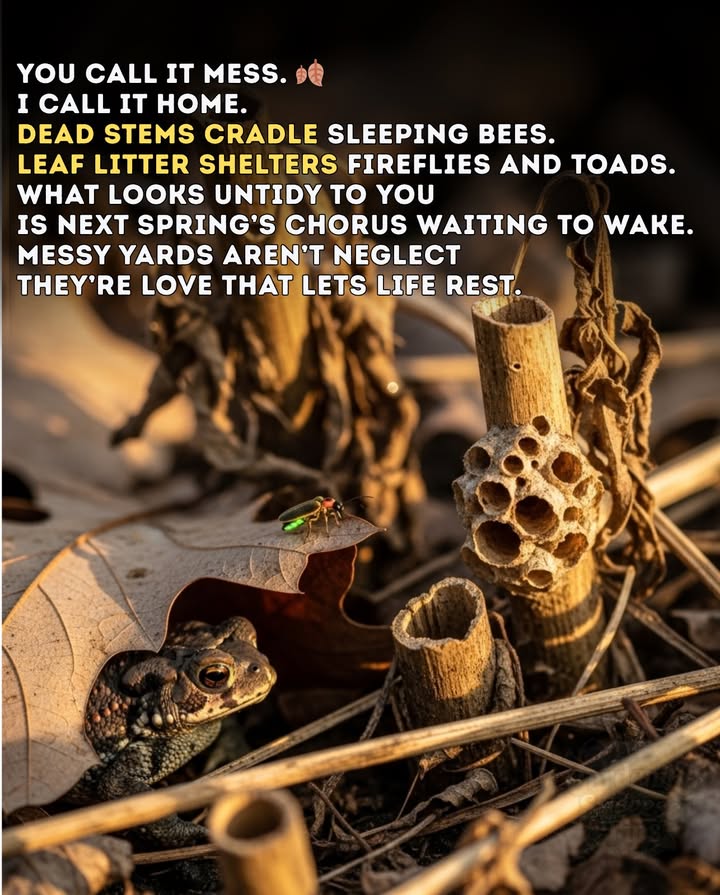
Dead stems = next years bees! Leaf litter = next years fireflies! Messy yards = life! Clean too much, and you clean life away.
Dead stems = next years bees! Leaf litter = next years fireflies! Messy yards = life! Clean too much, and you clean life away. AvaHi there — I’m Ava, […]
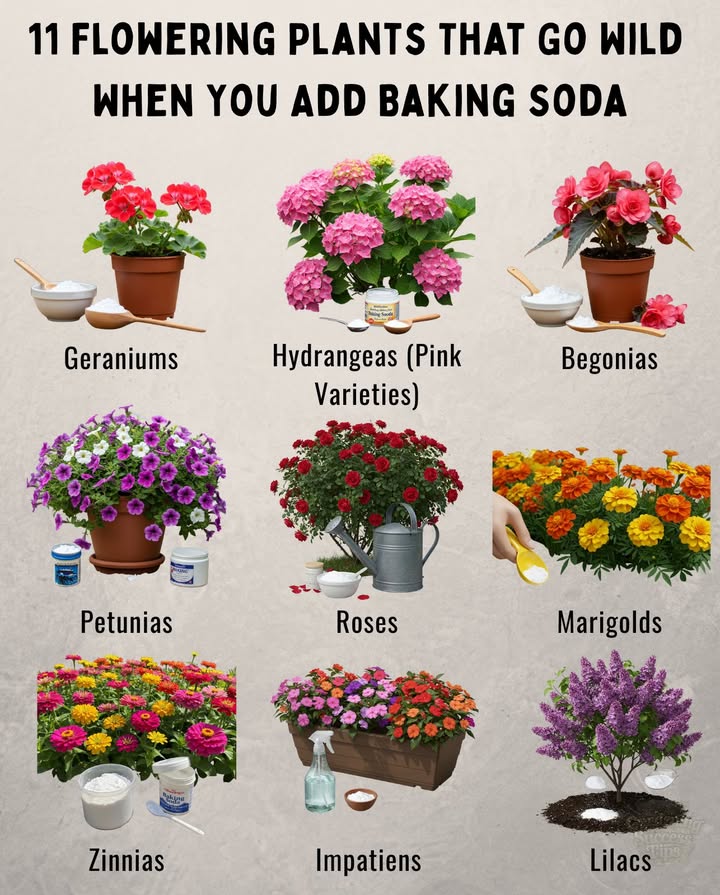
Boost your blooms with baking soda! Here are 11 flowering plants that thrive with this natural magic: 1. Geraniums: Water with 1 tbsp per gallon, every 2 weeks for stronger stems and more blooms. 2. Pink Hydrangeas: Sprinkle a few tbsp monthly to enhance vibrancy. 3. Begonias: Spray with 1 tsp a drop of dish soap in 1 qt water to reduce fungus. 4. Petunias: Add a pinch around roots every 23 weeks for nonstop flowers. 5. Roses: Weekly spray of 1 tbsp 1 tsp liquid soap in 1 gal water fights black spot and boosts blooming. 6. Marigolds: Mix into soil before planting and dust monthly for vibrant color. 7. Zinnias: Water occasionally with 1 tsp per gallon for mildew protection. 8. Impatiens: Spray every 10 days with 1 tsp in 1 qt water to prevent rot. 9. Morning Glories: Dust 1 tsp around base every 34 weeks for more blooms. 10. Pansies: Apply lightly once a month for steady blooming. 11. Lilacs: Scratch in 1 tbsp early spring & post-bloom to enhance fragrance. Just 1 tsp1 tbsp = natural magic!
Boost your blooms with baking soda! Here are 11 flowering plants that thrive with this natural magic: 1. Geraniums: Water with 1 tbsp per gallon, every 2 weeks […]
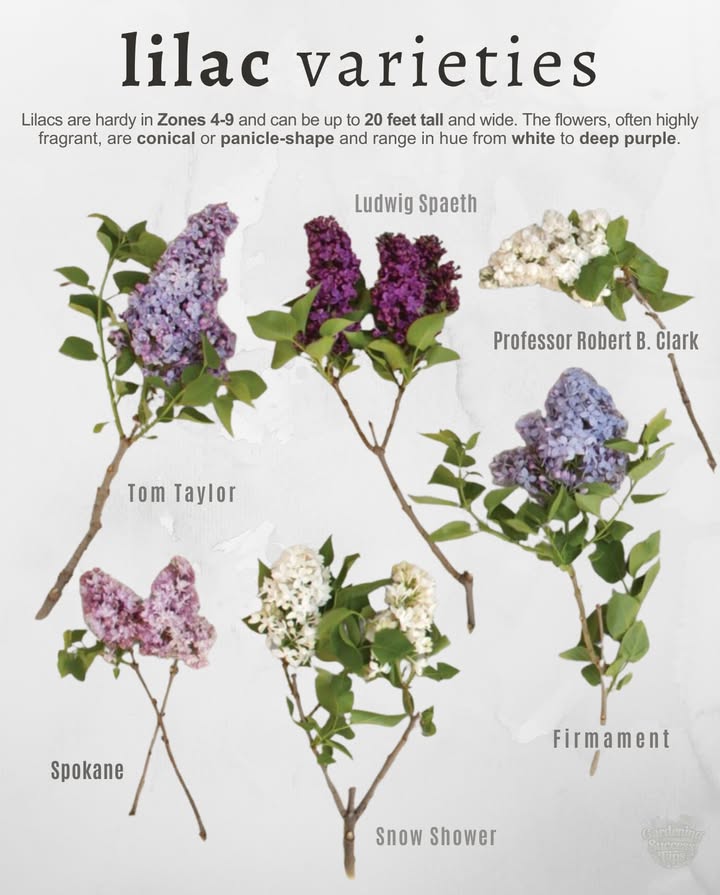
Lilacs thrive in Zones 49, reaching up to 20 ft tall with conical or panicle blooms ranging from white to deep purple. Highly fragrant, theyre a spring garden favorite. Ludwig Spaeth Deep purple blooms, late-flowering. Professor Robert B. Clark Classic white clusters. Tom Taylor Vibrant purple-pink tones. Spokane Soft lilac-pink, delicate form. Snow Shower Crisp white, fragrant flowers. Firmament Pale lavender-blue blooms. Plant in full sun with well-drained soil for the most abundant blooms. #Lilacs #FlowerGarden #SpringBlooms
Lilacs thrive in Zones 49, reaching up to 20 ft tall with conical or panicle blooms ranging from white to deep purple. Highly fragrant, theyre a spring garden […]
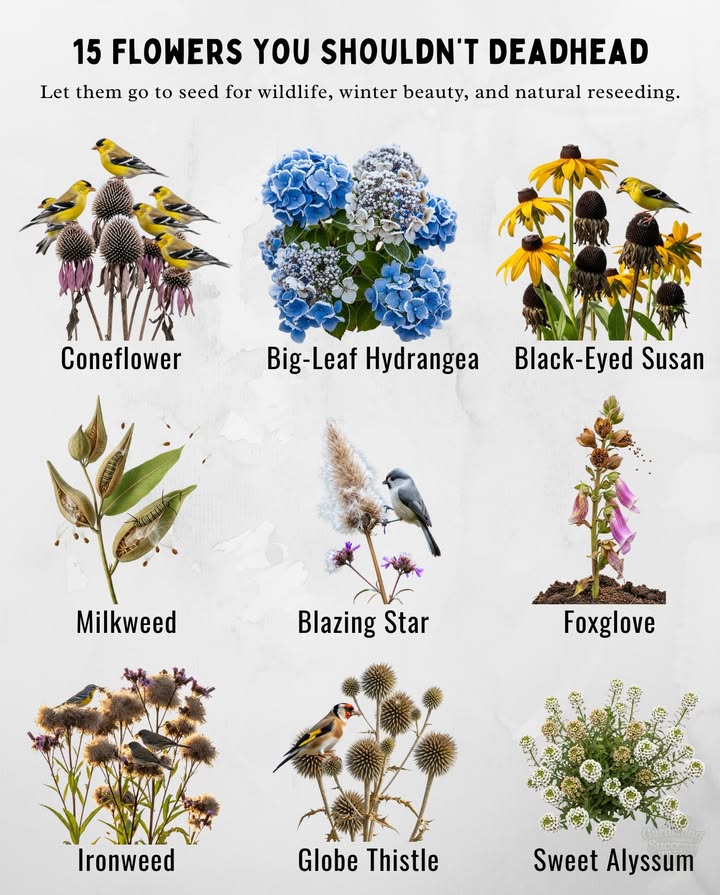
15 Flowers You Shouldnt Deadhead Let them go to seed for wildlife, winter beauty, and natural reseeding. Coneflower Seed heads feed goldfinches & look stunning with frost Black-Eyed Susan Attracts finches & chickadees; reseeds naturally Big-Leaf Hydrangea Protects next years buds & adds winter charm Milkweed Seed pods support monarch butterflies Blazing Star Fluffy seed heads loved by birds Foxglove Biennial; seeds ensure blooms return Ironweed Tall seed heads feed birds & add structure Globe Thistle Bird-friendly architectural blooms Yarrow Self-seeds for larger drifts each year Columbine Shiny seeds scatter for whimsical growth Sedum Autumn Joy Dried heads add beauty & structure Allium Seed balls give sculptural interest Sweet Alyssum Keeps blooming without deadheading Angelonia Steady blooms without cutting back Bee Balm Seed heads feed birds & reseed naturally #WildlifeGarden #SelfSeedingFlowers
15 Flowers You Shouldnt Deadhead Let them go to seed for wildlife, winter beauty, and natural reseeding. Coneflower Seed heads feed goldfinches & look stunning with frost Black-Eyed […]
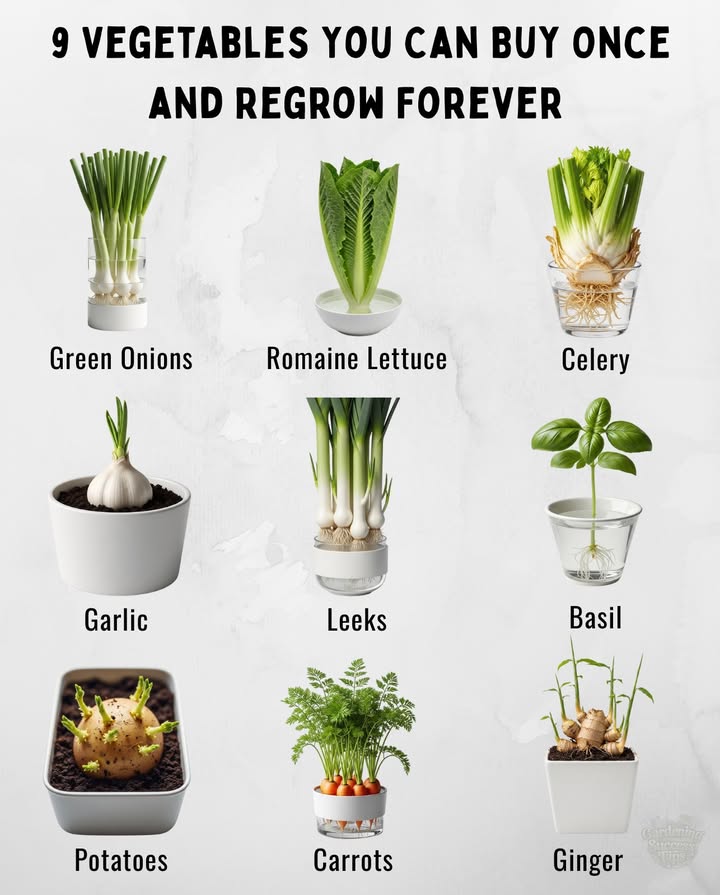
凌 9 Vegetables You Can Buy Once and Regrow Forever Green Onions Roots in water sprout new stalks in just days. Romaine Lettuce Base in water sends up fresh, tender leaves. Celery Cut base regrows crisp stalks when kept in water. Garlic Single clove in soil grows into a full bulb or green shoots. Leeks Root ends in water regrow tall, flavorful stalks. Basil Stem in water forms roots, ready to plant in soil. Potatoes Sprouted pieces produce a new crop underground. Carrots for greens Tops in water grow fresh leafy greens for garnish. Ginger Rhizome planted in soil produces new harvestable roots.
凌 9 Vegetables You Can Buy Once and Regrow Forever Green Onions Roots in water sprout new stalks in just days. Romaine Lettuce Base in water sends up […]
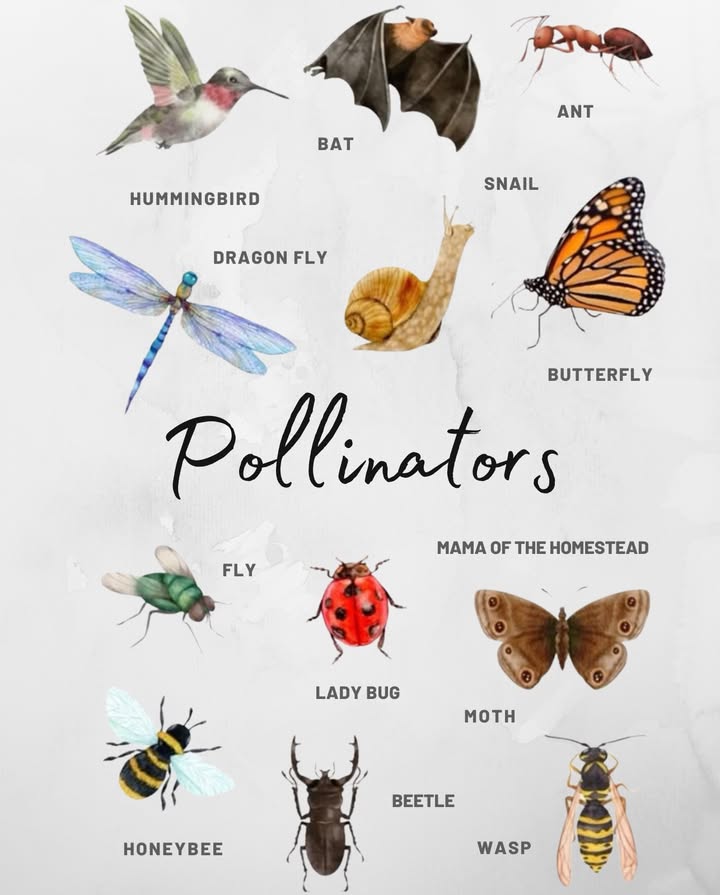
Natures Tiny Heroes: 12 Surprising Pollinators! 曆 Meet the Pollinators: Hummingbird Key pollinators in the Americas, attracted to bright flowers. Bat Important for night-blooming flowers like agave. Ant Spread pollen while crawling over flowers. Dragonfly Carry pollen when resting on plants. Snail Transfer pollen in damp ecosystems. Butterfly Sip nectar and collect pollen. More Garden Allies: Fly Effective pollinators, especially in cooler climates. Ladybug Brush against pollen while feeding. Moth Pollinate pale night flowers. Honeybee Essential for 1 in 3 bites of our food. Beetle Love strong-smelling flowers. Wasp Pollinate specific plants like figs. Why It Matters: Pollinators are crucial for food security and biodiversity. Every time a butterfly lands or a fly buzzes by, natures web grows stronger!
Natures Tiny Heroes: 12 Surprising Pollinators! 曆 Meet the Pollinators: Hummingbird Key pollinators in the Americas, attracted to bright flowers. Bat Important for night-blooming flowers like agave. Ant […]