
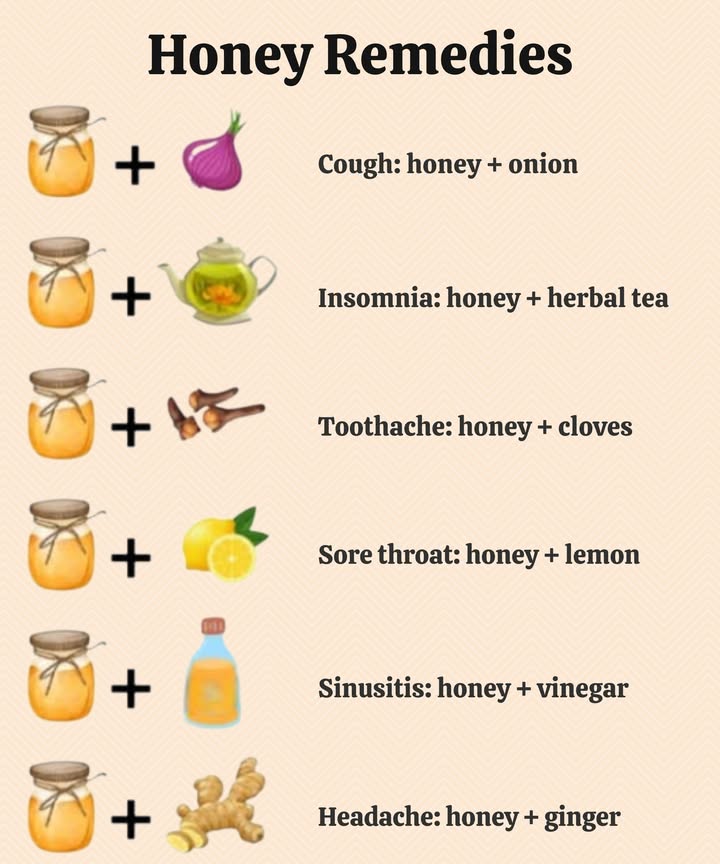
Natures Sweet Healer: Honey Remedies for Common Ailments 蠟 Cough Relief Honey Onion An ancient remedy. Soak chopped onion in honey overnight and take a spoonful to soothe […]

Amazing Chicken Facts! Chickens are way more fascinating than most people think! Here are some surprising facts: They can recognize up to 100 faces See more colors than humans 欄 Form friendships & even grieve 蓼 Taste salt but not sweet They dream while asleep Oldest chicken lived to 16 years More chickens exist than humans 練 Closest living relatives of the T-Rex Navigate by using the sun in the wild Cannot sweat Run up to 9 mph Perfect little reminders of how unique these backyard birds really are!
Amazing Chicken Facts! Chickens are way more fascinating than most people think! Here are some surprising facts: They can recognize up to 100 faces See more colors than […]

Sleeping on your left side promotes digestion and protects your digestive system. In this position, the stomach and gastric juices remain lower, preventing reflux into the esophagus. It also improves circulation, aids lymphatic drainage, and facilitates the hearts workload. Sleeping on your right side, on the other hand, can cause gastric acids to rise, causing heartburn or stomach discomfort. A small change in posture can make a big difference for your digestive health and your rest.
Sleeping on your left side promotes digestion and protects your digestive system. In this position, the stomach and gastric juices remain lower, preventing reflux into the esophagus. It […]

Simple techniques to relax and heal the body Applying pressure to key points on the hands can promote well-being and relieve everyday discomforts. Massaging a specific point helps reduce the feeling of heaviness after eating. Pressing another point can relieve bloating and improve digestion. Gently working certain areas of the palm promotes gastrointestinal health. Stimulating a point near the base of the fingers helps relax the body and promote better sleep. A simple and natural practice that brings calm and balance to the body.
Simple techniques to relax and heal the body Applying pressure to key points on the hands can promote well-being and relieve everyday discomforts. Massaging a specific point helps […]


Herbs You Can Easily Grow in Water 1. Oregano Oregano is a must-have herb for any kitchen. Its easy to grow in water and adds delicious flavor to your dishes! 2. Sage Sage thrives in water and provides a warm, savory flavor perfect for fall recipes. Its aromatic leaves are a great addition to any meal. 3. Mint Mint grows quickly in water and is perfect for tea, desserts, or as a garnish for any dish. Its a refreshing addition to your herb collection! 4. Basil Basil is a staple herb that loves growing in water! Its ideal for pesto, salads, or Italian dishes. Just snip off the stems and place them in water to root. 5. Rosemary This fragrant herb is easy to grow in water and adds depth to any dish. Keep it near your kitchen window for easy access. 6. Lettuce 塞 Lettuce is one of the simplest plants to grow in water. It will give you fresh greens all year round for salads and sandwiches. 7. Green Onion 暈 Green onions are perfect for growing in water. Simply place the roots in water, and they will regrow, providing fresh onions all the time! 8. Spinach Spinach can be grown in water too! Its perfect for smoothies, salads, or cooking. Watch it grow and enjoy fresh spinach whenever you need it.
Herbs You Can Easily Grow in Water 1. Oregano Oregano is a must-have herb for any kitchen. Its easy to grow in water and adds delicious flavor to […]

8 Hours vs 4 Hours of Sleep The Truth Your Body Shows Ff
8 Hours vs 4 Hours of Sleep The Truth Your Body Shows Ff AvaHi there — I’m Ava, the creator behind Ava Garden Tips 🌿 I’ve always been passionate about plants, […]

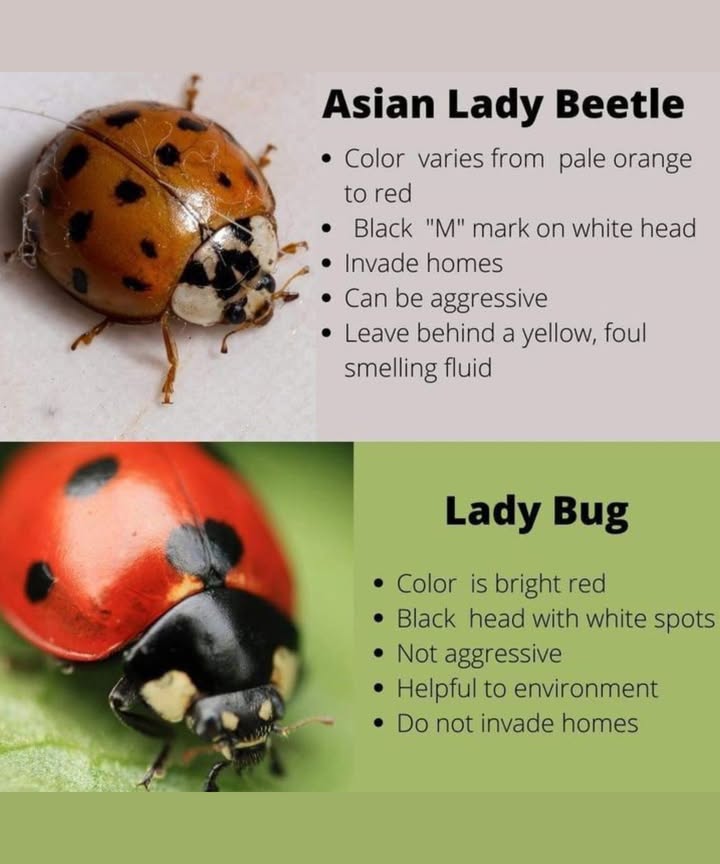
Ladybug vs. Asian Lady Beetle: Whats the Difference? At first glance, these two beetles look nearly identicalbut dont be fooled! While they may share a similar appearance, they have very different behaviors and impacts on your home and garden. 李 Asian Lady Beetle Harmonia axyridis Often mistaken for native ladybugs, these invaders can become unwelcome house guests. Color: Varies from pale orange to red Head: Distinct black M shape on a white head Behavior: Can be aggressive and bite Habits: Invades homes, especially in fall Odor: Releases a yellow, foul-smelling fluid when disturbed Environmental Impact: Can outcompete native species Fun fact: These were introduced to control pests but quickly became a nuisance in some areas. Ladybug Coccinellidae Our beloved garden friend, these tiny helpers are a gardeners best ally. Color: Bright red with black spots Head: Black with white markings Behavior: Gentle and non-aggressive Habits: Stays outdoorsdoes not invade homes Benefits: Controls aphids and other harmful pests naturally Environmental Role: Essential for healthy ecosystems Tip: Attract ladybugs with flowering herbs like dill, fennel, and yarrow! 類 How to Tell Them Apart: Check the head: An M shape means its likely an Asian lady beetle. Behavioral clues: Friendly and outdoors? Probably a ladybug. Aggressive and indoors? Likely an invader. Why It Matters: Native ladybugs are vital to maintaining a balanced ecosystem. Learning to distinguish them helps support biodiversity and keep your garden thrivingnaturally and safely.
Ladybug vs. Asian Lady Beetle: Whats the Difference? At first glance, these two beetles look nearly identicalbut dont be fooled! While they may share a similar appearance, they […]
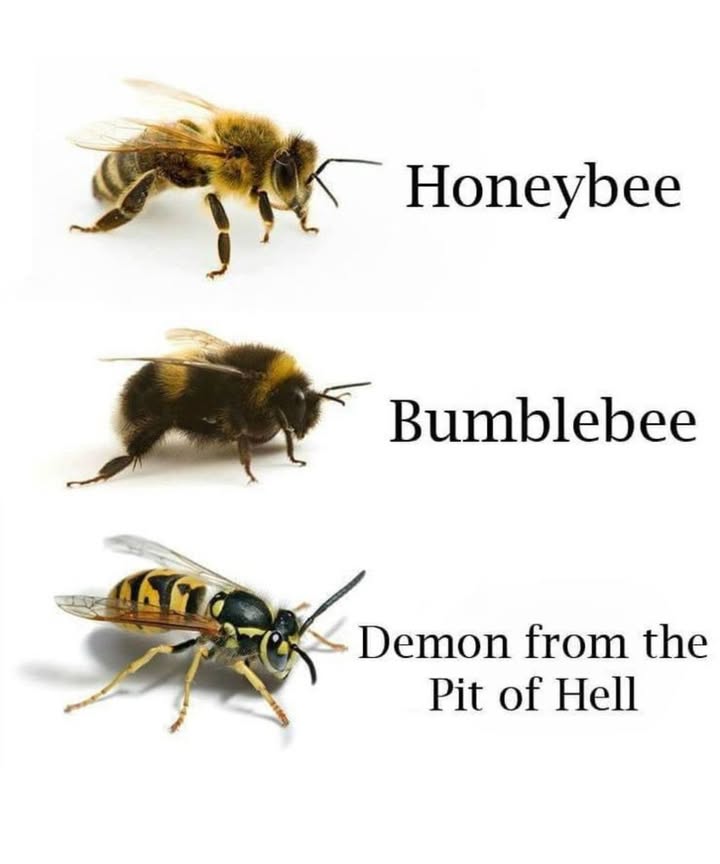
Bee Aware! Know the Difference Between These Buzzing Insects! The Sweet & Gentle Heroes Honeybee Pollinator Extraordinaire Lives in hives and works tirelessly to make honey Generally calm and non-aggressive Crucial to our ecosystem Approach with care, but no need to fearunless provoked! The Fluffy Giant Bumblebee Round, fuzzy, and adorable Excellent pollinatorsespecially for tomatoes and berries Very chill unless cornered Found buzzing low near flowers Think of them as the teddy bears of the bee world. The Striped Menace “Demon from the Pit of Hell” aka: Wasp/Yellowjacket Aggressive and territorial Attracted to your food, soda cans, and BBQs No honey, no pollinationjust chaos Can sting repeatedly unlike bees! Not technically a demon, but certainly acts like one at picnics. 易 Quick Tip: Bees are rounder, fuzzier, and peaceful. Wasps are sleeker, shinier, and more aggressive.
Bee Aware! Know the Difference Between These Buzzing Insects! The Sweet & Gentle Heroes Honeybee Pollinator Extraordinaire Lives in hives and works tirelessly to make honey Generally calm […]