
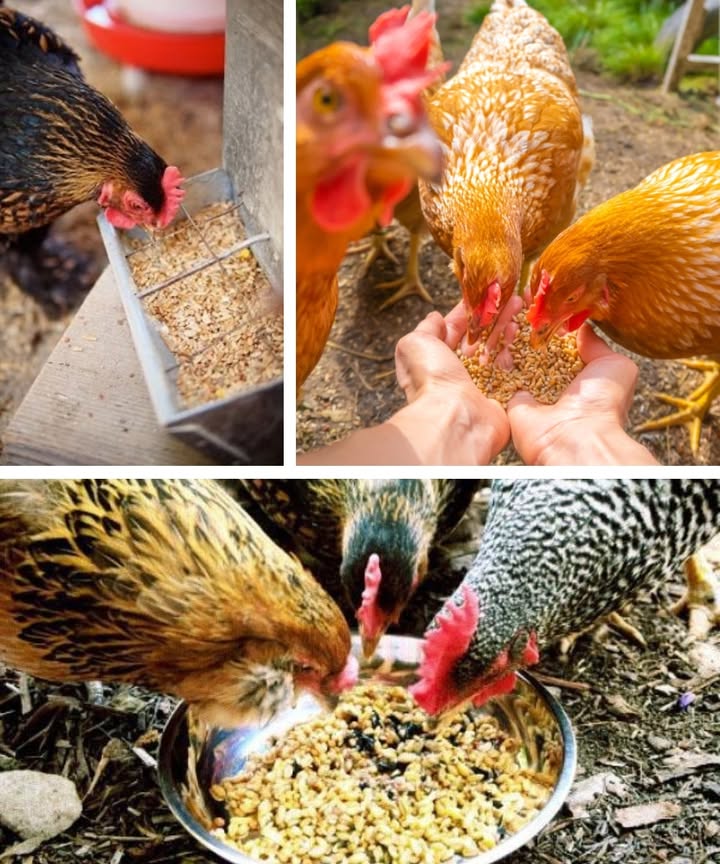
6 Homemade Recipes to Feed Your Chickens Naturally and Effectively Key nutritional needs: Protein: supports growth and egg production. Carbohydrates: provide energy, especially in cold weather corn, oats. […]
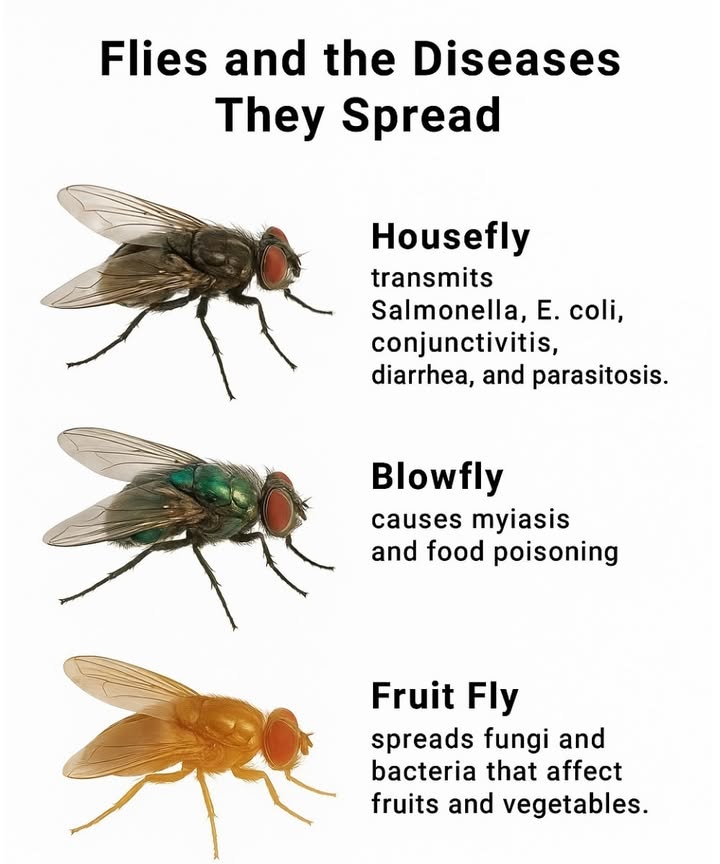
練 Flies and the Diseases They Spread Small but dangerous, flies can carry hundreds of microorganisms on their legs and bodies, contaminating food and household surfaces. Housefly spreads salmonella, E. coli, conjunctivitis, diarrhea, and various intestinal parasites. Blowfly can cause myiasis infestation by larvae and food poisoning. Fruit fly transmits fungi and bacteria that damage fruits and vegetables. Essential prevention: Keep your kitchen clean, cover food, empty the trash regularly, and use natural traps or repellents. A clean home is the best protection against flies and the illnesses they carry. 識 #flies #health #hygiene #prevention
練 Flies and the Diseases They Spread Small but dangerous, flies can carry hundreds of microorganisms on their legs and bodies, contaminating food and household surfaces. Housefly spreads […]
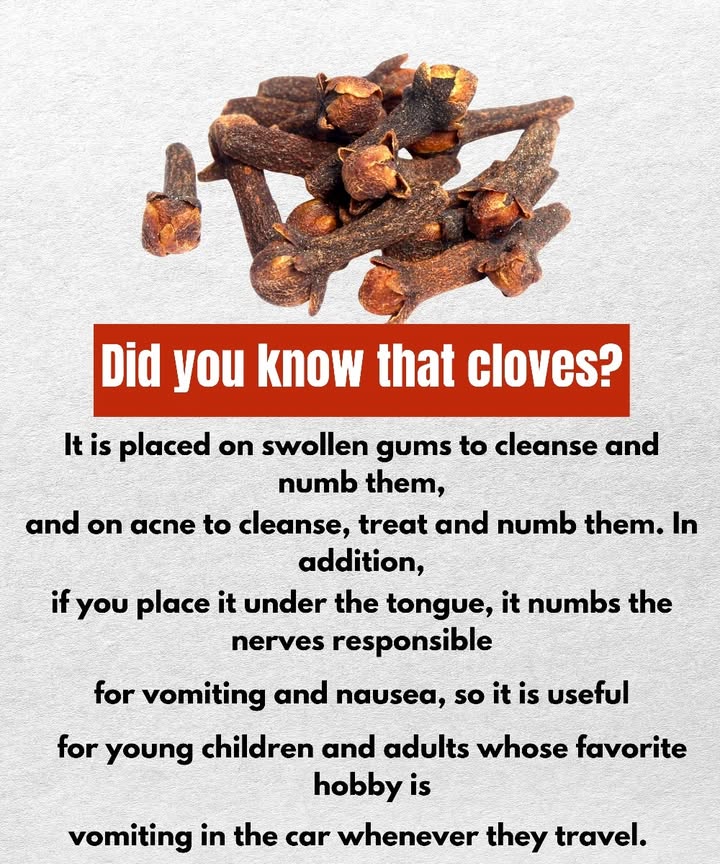
Health Benefits of Cloves 1 Relief for swollen gums: when applied directly, they help clean and numb the pain. 2 Support for acne: used topically, they cleanse, treat, and reduce skin inflammation. 3 Sublingual effect: placed under the tongue, they act on certain nerves linked to nausea and vomiting, easing discomfort. 4 Helpful for travel: they can support both children and adults who often experience motion sickness in the car.
Health Benefits of Cloves 1 Relief for swollen gums: when applied directly, they help clean and numb the pain. 2 Support for acne: used topically, they cleanse, treat, […]
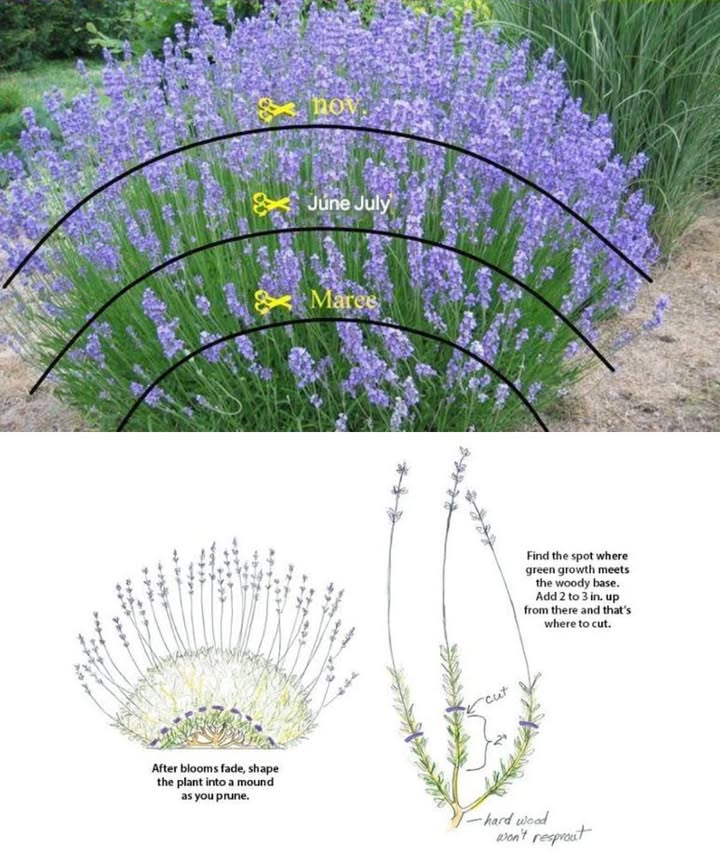
Lavender pruning: the secret to a fragrant and healthy garden 1 Best time in spring MarchApril: remove dry or frost-damaged branches and trim back about one-third of the plant without cutting into the woody stems. 2 Best time after flowering JuneJuly: prune more deeply just above the green foliage to encourage a second bloom. 3 Tools: use clean, sharp shears to make precise cuts and avoid disease. 4 Shape: give the plant a rounded form so it grows compact and balanced. 5 Flowers: regularly remove faded blooms to extend the flowering season. 6 Growing conditions: plant lavender in full sun, in well-drained, poor soil. Water sparingly and protect it in winter with mulch. With these simple steps, your lavender will stay vigorous, aromatic, and beautifully in bloom throughout the season.
Lavender pruning: the secret to a fragrant and healthy garden 1 Best time in spring MarchApril: remove dry or frost-damaged branches and trim back about one-third of the […]

Benefits of Clove Water 1 May help support menstrual cycle regulation 2 Aids digestion and relieves minor discomfort 3 Contains antimicrobial properties that benefit oral health 4 Can reduce mild inflammatory pain 5 Brings a natural sense of warmth and overall wellness
Benefits of Clove Water 1 May help support menstrual cycle regulation 2 Aids digestion and relieves minor discomfort 3 Contains antimicrobial properties that benefit oral health 4 Can […]


How to Attract Ladybugs and Naturally Care for Your Garden Ladybugs are great helpers against pests like aphids. To attract them, plant flowers such as cilantro, fennel, dill, and marjoram, which provide nectar and shelter for their larvae. Avoid chemical pesticides; instead, use natural remedies like black soap or garlic. Create shelters with dry leaves or insect hotels. Keep some weeds like nettle and clover in check, as they can harbor aphids. Place shallow water dishes so ladybugs can drink. With these easy steps, your garden will thrive naturally and stay chemical-free.
How to Attract Ladybugs and Naturally Care for Your Garden Ladybugs are great helpers against pests like aphids. To attract them, plant flowers such as cilantro, fennel, dill, […]
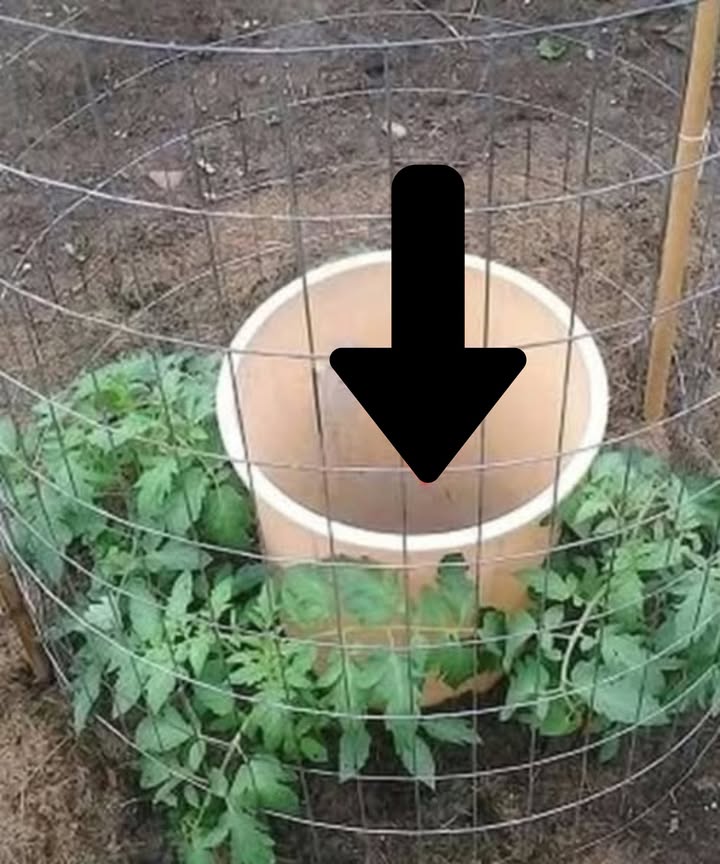
I planted four tomato plants around a trash bin that I drilled with holes at two levels: at the bottom edge and about 25 cm up. The bin was buried so that the upper holes were level with the soil. I then added two shovels of compost inside to naturally enrich the soil. Every two days, I fill the bin with water, ensuring deep and consistent watering without wetting the leaves, which helps reduce the risk of diseases. In less than a month and a half, my plants reached 1.62 meters in height, are loaded with green tomatoes, and have about a hundred flower clusters! A simple, effective, and productive method for growing healthy tomatoes!
I planted four tomato plants around a trash bin that I drilled with holes at two levels: at the bottom edge and about 25 cm up. The bin […]
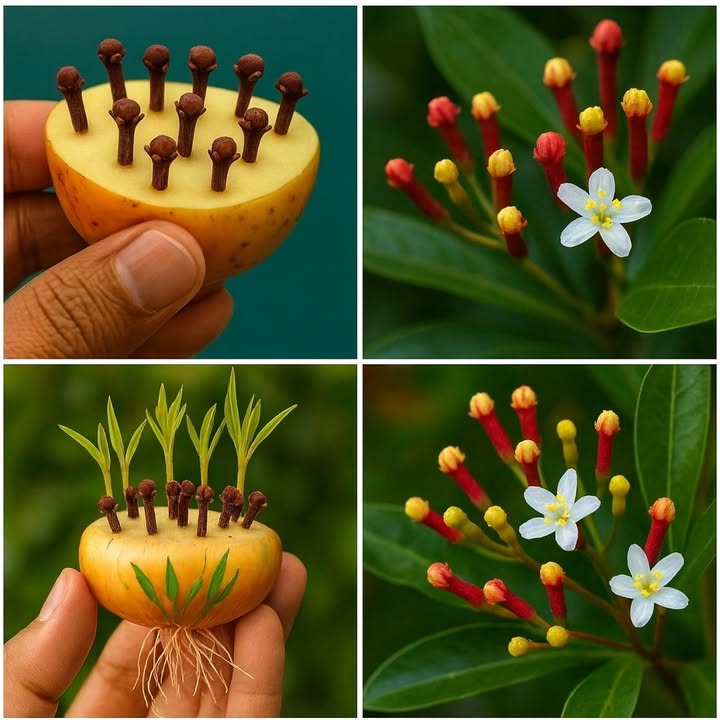
Growing Cloves at Home 1 Prepare the base Use a potato or an onion as a moist support. This base keeps the cloves in a suitable environment for germination. 2 Insert the cloves Gently press whole cloves into the surface of the potato or onion. They should stay stable without being pushed too deep. 3 Provide proper conditions Place the base in a warm, bright location. Avoid strong direct sunlight but ensure enough light to encourage growth. 4 Watch for sprouts Within a few weeks, roots and small shoots will start to appear from the cloves. This marks the beginning of development. 5 Transplant the seedlings Once the sprouts become strong, transfer the germinated cloves into a pot with rich soil or directly into the ground if the climate is suitable. With regular watering and consistent care, the young plants will gradually grow into clove trees.
Growing Cloves at Home 1 Prepare the base Use a potato or an onion as a moist support. This base keeps the cloves in a suitable environment for […]
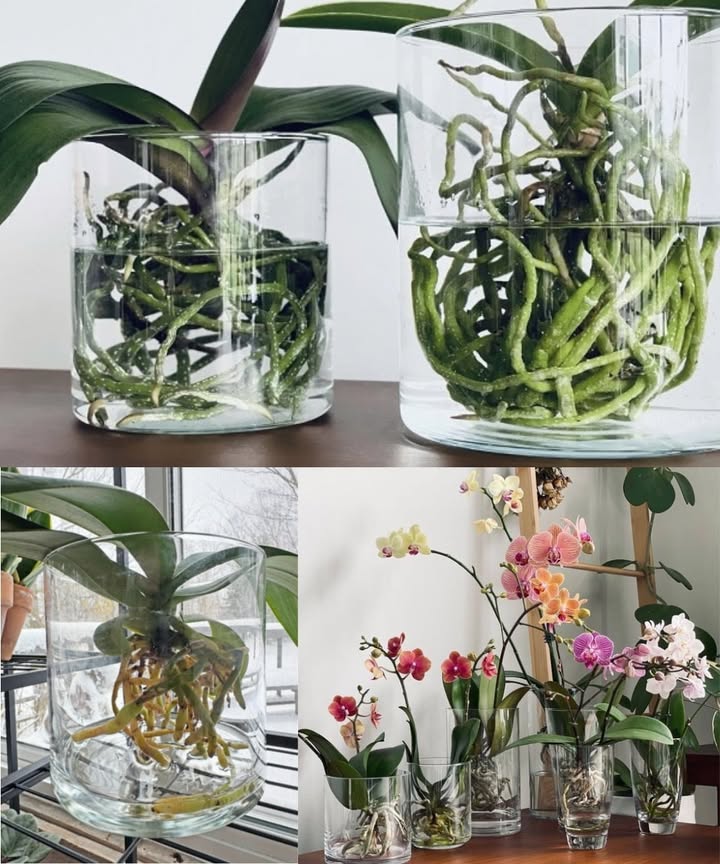
Growing Orchids in Water: A Blend of Beauty and Simplicity Orchids are graceful houseplants, admired for their delicate appearance. Hydroponic culture allows you to showcase both roots and blooms while preventing root rot. Hydroponic method Keep the roots submerged in water for 2 days, then let them dry for 5 days Ideal for fragile-rooted orchids or damaged plants in need of recovery Mimics the orchids natural growth in the wild The perfect container A tall, transparent glass or plastic vase Rounded shape with a narrow neck to support the stem Avoid materials that cause lime deposits Preparing the orchid Remove all soil, moss, or old substrate Clean the roots thoroughly and trim damaged parts with sterile scissors Disinfect with hydrogen peroxide and sprinkle cinnamon on cuts Place clay pebbles at the bottom to prevent rot Water care Use non-calcareous water: mineral or rested rainwater Replace the water weekly to keep the plant healthy Care and blooming Provide bright but indirect light Keep night temperatures around 8 C to encourage flowering Watch the roots grow and flowers bloom, creating a unique indoor display Hydroponic cultivation turns orchids into a living artwork, combining elegance, originality, and easy care.
Growing Orchids in Water: A Blend of Beauty and Simplicity Orchids are graceful houseplants, admired for their delicate appearance. Hydroponic culture allows you to showcase both roots and […]