
Did You Know? Figs Are Not Actually Fruits
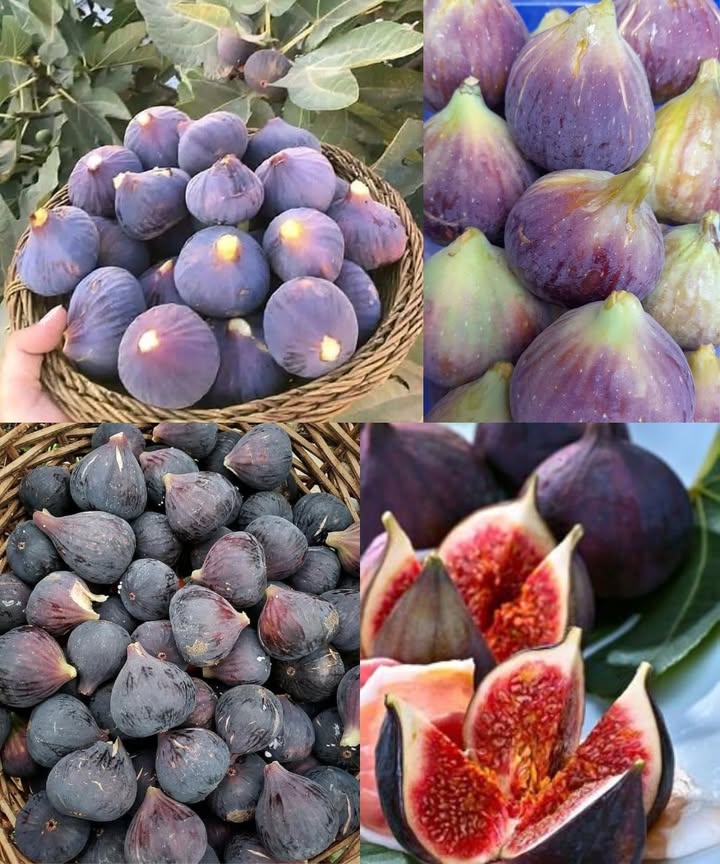
Figs might look like regular fruits, but theyre far from ordinary. In fact, theyre not even technically fruits. Botanically speaking, figs are actually inverted flowers.
Unlike cherry or almond trees, fig trees dont bloom with visible flowers. Instead, their flowers bloom inside a fleshy pod known as a syconium. What we think of as a single fig is actually a cluster of many tiny flowers hidden within.
These flowers develop into tiny fruits called achenes, each containing a seed. So when you bite into a fig and notice its crunchy texture, youre actually chewing on dozens sometimes hundreds of miniature fruits.
One of the most fascinating things about figs is how they reproduce. They rely on a very specific pollinator: the fig wasp. This tiny insect enters the fig through a small opening to lay its eggs and, in the process, spreads pollen to help the fig flowers reproduce. Sadly, the wasp often dies inside the fig, completing a remarkable if a little unsettling life cycle.
This relationship between the fig and the fig wasp is a powerful example of mutualism: the wasp needs the fig to reproduce, and the fig depends on the wasp for pollination.
However, modern fig farming has changed. Most commercial fig varieties no longer need wasps. These are called parthenocarpic figs, meaning they can produce fruit without pollination.
So next time you eat a fig, remember: youre not just eating a fruit youre enjoying a tiny botanical wonder packed with science and history.

Hi there — I’m Ava, the creator behind Ava Garden Tips 🌿
I’ve always been passionate about plants, flowers, and the simple joy that comes from growing something beautiful. What started as a small balcony garden has turned into a love for helping others create their own green spaces — no matter how big or small.