

Benefits of Sleeping on the Right Side 1 Helps digestion and supports faster food processing. 2 Lessens pressure on the heart and lungs. 3 Promotes relaxation and deeper […]
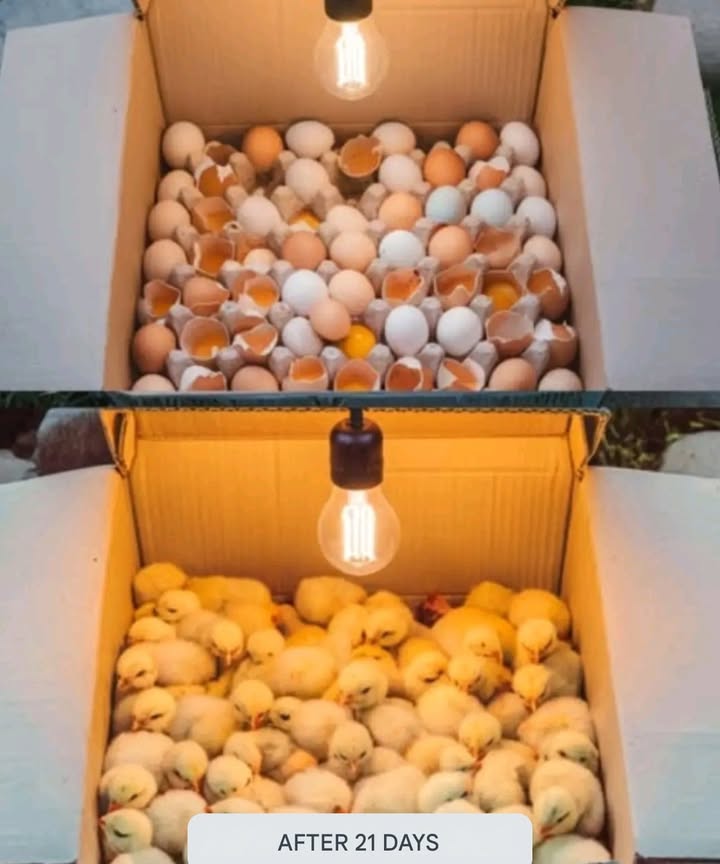
How to Build a Simple Homemade Egg Incubator Materials Needed: sturdy cardboard box, incandescent bulb with socket, thermometer, hygrometer, small water container, sawdust or shredded paper, fertilized eggs. Box Setup: Line the bottom with sawdust or paper. Space the eggs to allow airflow. Heat Source: Install the bulb 1015 cm above the eggs. Maintain a temperature of 37.5C 99.5F. Humidity: Keep humidity between 5060% for the first 18 days, then increase to 6570%. Turning the Eggs: Gently turn eggs 23 times daily until day 18. Stop turning after that. Monitoring: Check temperature and humidity every day. Adjust bulb height or water as needed. Hatching: Around day 21, chicks should start breaking through their shells. Benefits: low-cost, educational, eco-friendly, and suitable for all ages. Note: Do not use LED bulbs they dont produce enough heat. Only fertilized eggs will hatch.
How to Build a Simple Homemade Egg Incubator Materials Needed: sturdy cardboard box, incandescent bulb with socket, thermometer, hygrometer, small water container, sawdust or shredded paper, fertilized eggs. […]

Hedgehogs in September September is a period when baby hedgehogs are often born. While gardening, check piles of leaves, grass, or compost, as hedgehogs may be resting there. Young hedgehogs are delicate and stay close to their mother for care. Protecting their natural shelter supports biodiversity in the garden. A little care can help these useful animals, which feed on insects and slugs.
Hedgehogs in September September is a period when baby hedgehogs are often born. While gardening, check piles of leaves, grass, or compost, as hedgehogs may be resting there. […]
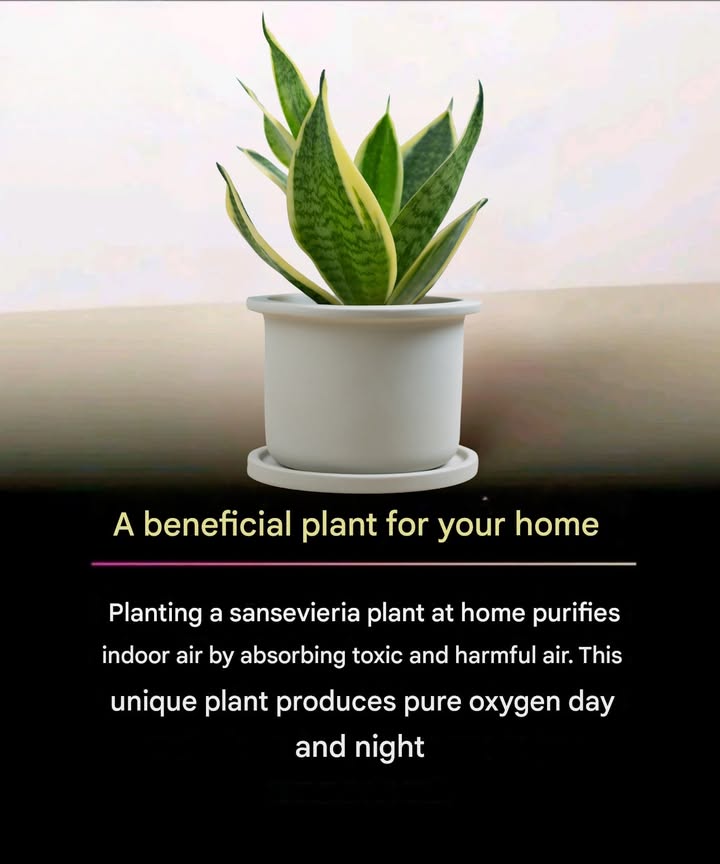
Sansevieria: a natural ally for your home 1 Air purification: it helps filter out harmful particles from indoor air. 2 Continuous oxygen: unlike many plants, it releases oxygen both day and night. 3 Low maintenance: highly resilient, it tolerates drought and requires little care. 4 Decorative touch: its upright, patterned leaves add elegance to any room. Sansevieria: a simple and useful plant 1 Cleaner air: it contributes to reducing impurities and improving indoor atmosphere. 2 Constant oxygen: this plant is unique in providing oxygen around the clock. 3 Easy care: it grows effortlessly and withstands long periods without watering. 4 Aesthetic value: its modern, architectural look enhances living rooms, bedrooms, or offices. #fblifestyle
Sansevieria: a natural ally for your home 1 Air purification: it helps filter out harmful particles from indoor air. 2 Continuous oxygen: unlike many plants, it releases oxygen […]
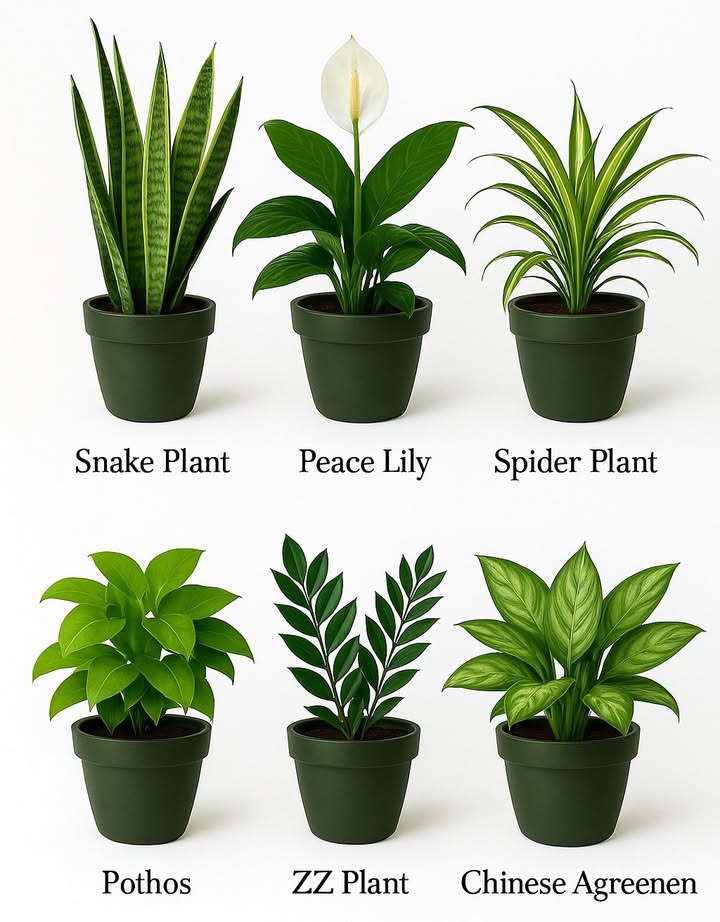
Keeping certain indoor plants can support cleaner air, especially in low-light rooms. Here are six easy-care plants: 1. Snake Plant Sansevieria Handles low light very well and is known for improving indoor air quality. 2. Peace Lily Spathiphyllum Helps reduce common indoor toxins and grows even in shaded areas. 3. Spider Plant Chlorophytum Very easy to look after and effective at filtering the air. 4. Pothos Epipremnum aureum Thrives in low light and absorbs several indoor pollutants. 5. ZZ Plant Zamioculcas zamiifolia Grows well in shade and contributes to a healthier indoor environment. 6. Chinese Evergreen Aglaonema Adapts well to weak light and helps reduce harmful particles in the air.
Keeping certain indoor plants can support cleaner air, especially in low-light rooms. Here are six easy-care plants: 1. Snake Plant Sansevieria Handles low light very well and is […]
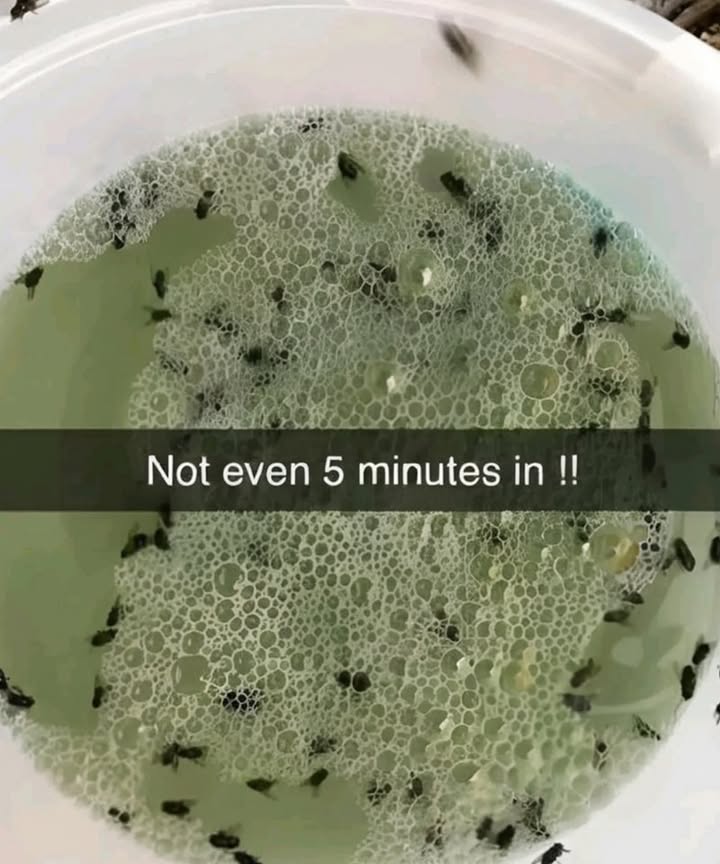
With warmer days coming, this simple trick is a lifesaver! Just place it in your kitchen, and say goodbye to flies, mosquitoes, and other bugs. Youll need: cup vinegar cup olive oil or any vegetable oil cup shampoo How to make it: 1. Mix the vinegar, oil, and shampoo in a bowl. 2. Set the bowl out in your kitchen bugs will be drawn to it. 3. Leave it for a few hours, or until you notice fewer insects. 4. Replace as needed. Its natural, easy, and super effective!
With warmer days coming, this simple trick is a lifesaver! Just place it in your kitchen, and say goodbye to flies, mosquitoes, and other bugs. Youll need: cup […]
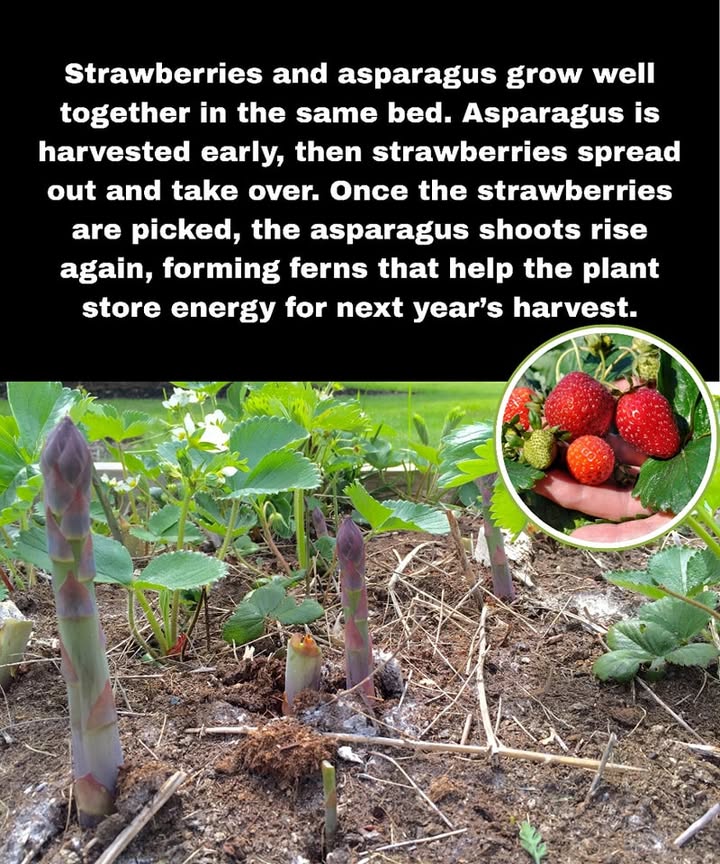
Why Strawberries and Asparagus Grow Well Together Different Roots: Asparagus roots grow deep; strawberries stay shallow, so they dont compete for nutrients. Harvest Timing: Asparagus is picked early; strawberries take over later, using space efficiently. Shade & Moisture: Tall asparagus ferns provide shade, helping strawberries keep soil moist and cool. Weed Control: Strawberries act like a mulch, reducing weeds. Space Use: They share space and resources, boosting garden productivity sustainably.
Why Strawberries and Asparagus Grow Well Together Different Roots: Asparagus roots grow deep; strawberries stay shallow, so they dont compete for nutrients. Harvest Timing: Asparagus is picked early; […]
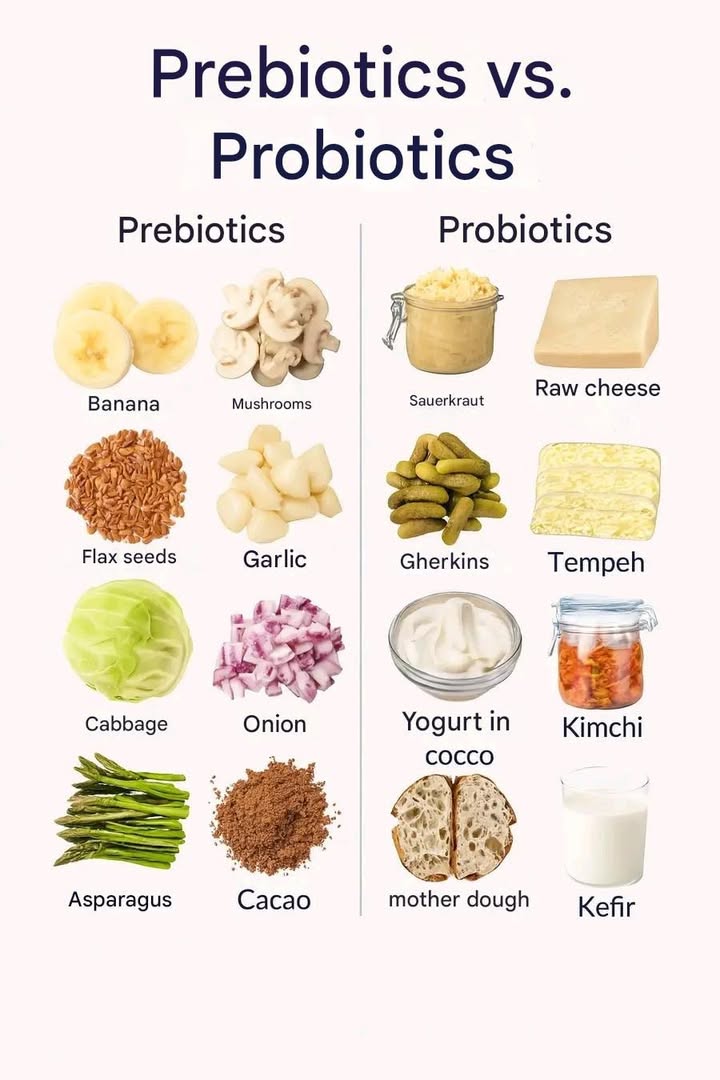
Prebiotics vs. Probiotics Prebiotics These are non-digestible fibers that feed the good bacteria in your gut. Examples include: Bananas Mushrooms Flax seeds 龍 Garlic 塞 Cabbage 暈 Onion Asparagus Cocoa Probiotics These are live beneficial bacteria that help balance your gut microbiome. Found in foods like: 塞 Sauerkraut 燎 Raw cheese 勒 Pickles 便 Coconut yogurt Sourdough bread Kimchi Tempeh 拏 Kefir A healthy gut needs both prebiotics and probiotics working together!
Prebiotics vs. Probiotics Prebiotics These are non-digestible fibers that feed the good bacteria in your gut. Examples include: Bananas Mushrooms Flax seeds 龍 Garlic 塞 Cabbage 暈 Onion […]
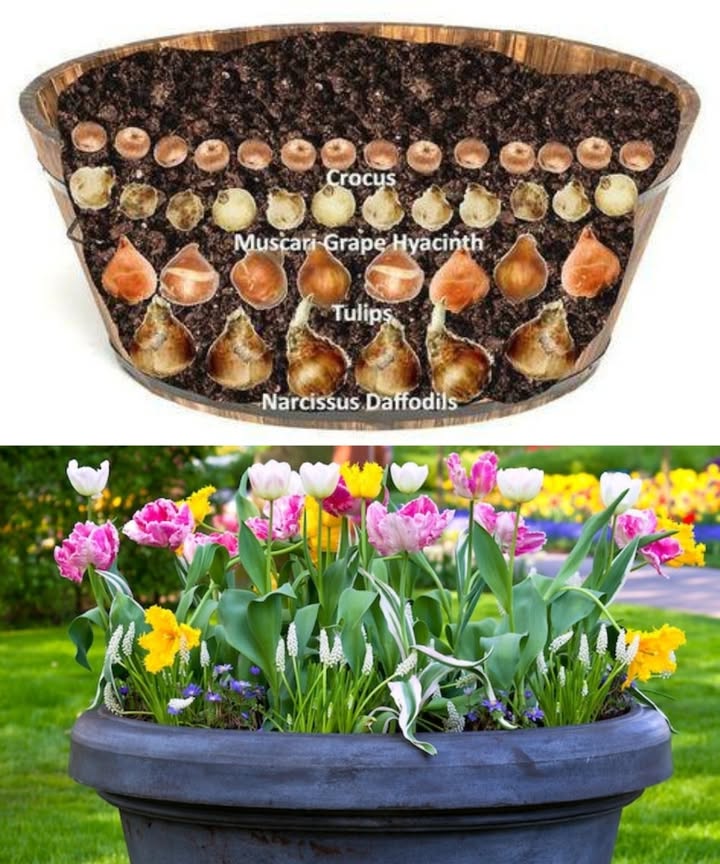
Bulb Lasagna in a Pot Bulb lasagna is a simple yet clever way to enjoy flowers over several weeks. Different bulbs are planted in layers inside a deep container. Each variety blooms at a different time, creating a continuous display of colors. 1 Bottom layer: Daffodils Plant them about 15 cm deep. They are hardy and bloom early in spring. 2 Middle layer: Tulips Placed around 12 cm deep, they follow the daffodils and add vibrant colors. 3 Higher layer: Grape hyacinths Muscari Set at about 8 cm, these small blue flowers are easy to grow and brighten the arrangement. 4 Top layer: Crocuses Planted just 5 cm deep, they appear first, often at the very end of winter. Planting tips Choose a pot at least 3040 cm deep. Add a drainage layer at the bottom, place soil between each layer of bulbs, and water thoroughly after planting. Keep the pot in a sheltered spot until spring. Final effect The flowers emerge in sequencefirst crocuses, then muscari, tulips, and finally daffodilsturning your container into a changing floral centerpiece for weeks.
Bulb Lasagna in a Pot Bulb lasagna is a simple yet clever way to enjoy flowers over several weeks. Different bulbs are planted in layers inside a deep […]
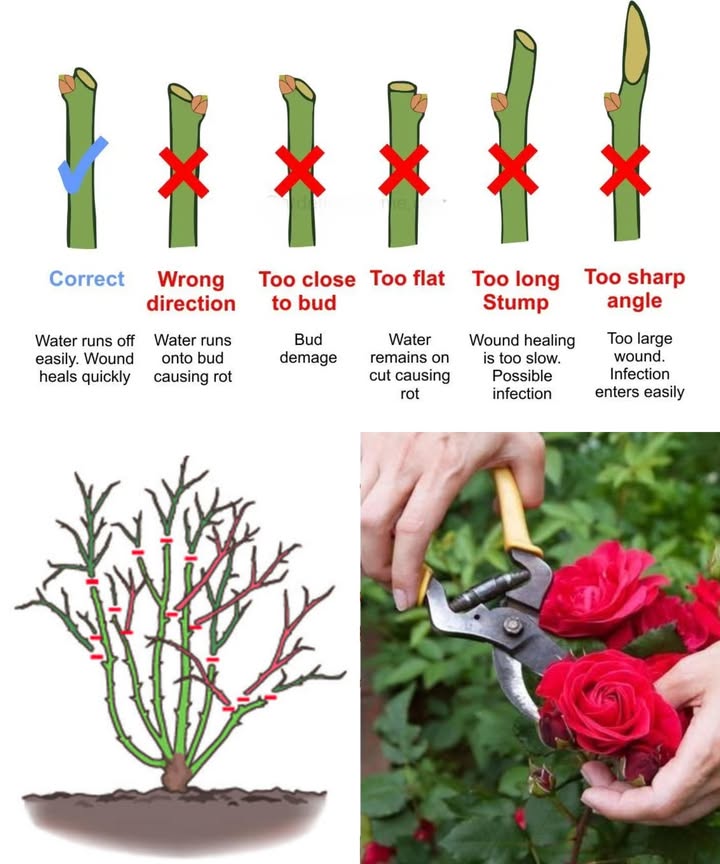
The Art of Rose Pruning: 7 Steps for Healthy Blooms 1 Choose the right time Prune in late winter or early spring after the last frost, when buds begin to swell. 2 Prepare your tools 理 Use sharp bypass pruners, long-handled loppers, gardening gloves, and disinfectant for safe and clean cuts. 3 Remove dead or diseased wood Cut away brown, dry, or damaged branches. Keep only green, healthy wood by trimming back to live tissue. 4 Cut above outward-facing buds Make each cut about a quarter inch above an outward-facing bud at a 45-degree angle to direct growth outward and reduce water retention. 5 Thin crowded branches Remove branches that cross or rub to improve airflow and light, shaping the plant in an open, vase-like form. 6 Shape the plant Aim for balance and symmetry by removing weak or spindly growth, focusing energy on strong branches. 7 Feed and mulch Apply balanced fertilizer after pruning and cover the soil with mulch to retain moisture, control weeds, and stabilize temperature. Maintain roses with regular pruning, adapt techniques to the rose type, and disinfect tools between cuts for long-lasting vibrant blooms.
The Art of Rose Pruning: 7 Steps for Healthy Blooms 1 Choose the right time Prune in late winter or early spring after the last frost, when buds […]