

Most people pick their onions wrong, but you wont have that problem anymore! Go for onions with a pink, thin, almost paper-like skin and tightly closed tips theyre […]
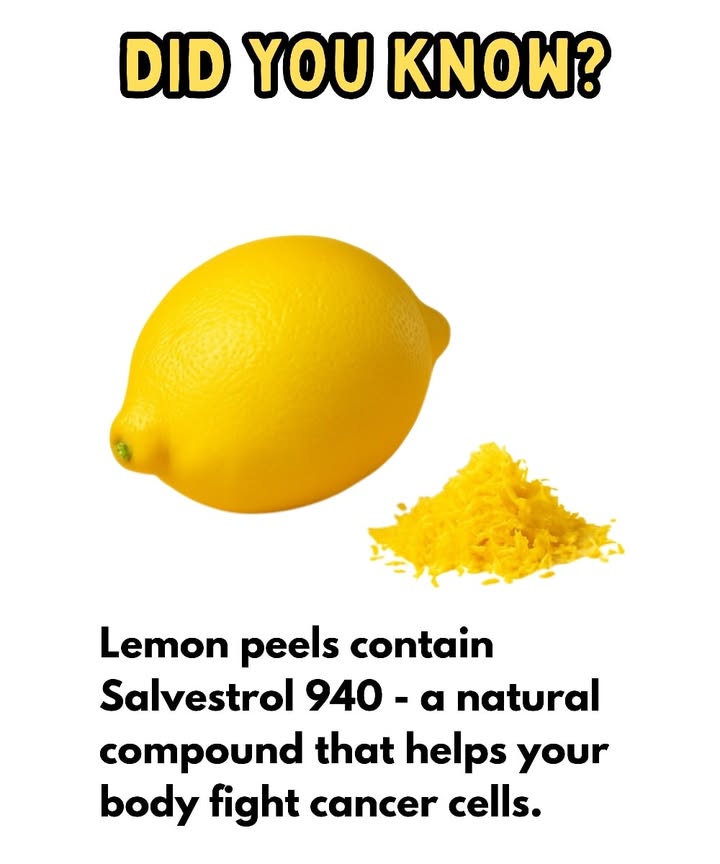
Lemon peels hold more benefits than we realize. They contain bioactive compounds such as limonene and Salvestrol 940, which support the bodys natural detox functions and help protect cells from oxidative stress. These natural elements assist in maintaining healthy cellular balance and encourage the safe removal of damaged cells. Instead of throwing away the peel, try adding a little grated lemon zest to smoothies, teas, or salads a simple way to nourish your body and make the most of natures resources. #fblifestyle
Lemon peels hold more benefits than we realize. They contain bioactive compounds such as limonene and Salvestrol 940, which support the bodys natural detox functions and help protect […]
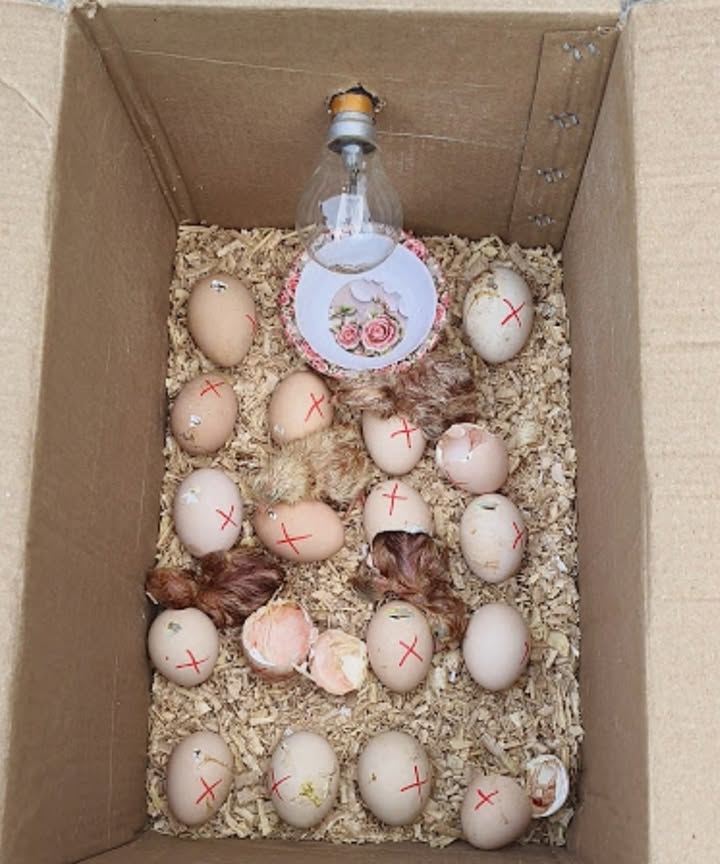
Homemade Egg Incubator Easy Step-by-Step Guide What Youll Need: Insulated box like a Styrofoam cooler or thick cardboard box Light bulb or heat lamp for warmth Thermostat to control the temperature Thermometer hygrometer for monitoring Small fan for air circulation Egg tray or carton Shallow dish for water humidity Tools: scissors, tape, drill How to Build It: 1. Prepare the box Clean it thoroughly Drill small holes for ventilation Add a clear window on top for checking inside 2. Install heating Attach the bulb safely inside Connect the thermostat to maintain a steady 99.5F 37.5C 3. Add a fan Place it to gently circulate warm air evenly 4. Set the eggs Use a tray or carton Place eggs with the narrow end facing down 5. Maintain humidity Add a shallow container of water inside the box Ideal Conditions: Temperature: 99.5F / 37.5C Humidity: Day 118: 4050% Day 1921: 6570% Turning the eggs: Turn them 35 times daily Mark each side to keep track Candle the eggs: Check on day 7 and 14 using a light Remove any infertile eggs Avoid these mistakes: Letting temperature fluctuate Not enough humidity chicks may stick to the shell Overcrowding reduces airflow and increases risks Why make your own incubator? Much cheaper than buying one You control every detail A fun and educational project
Homemade Egg Incubator Easy Step-by-Step Guide What Youll Need: Insulated box like a Styrofoam cooler or thick cardboard box Light bulb or heat lamp for warmth Thermostat to […]

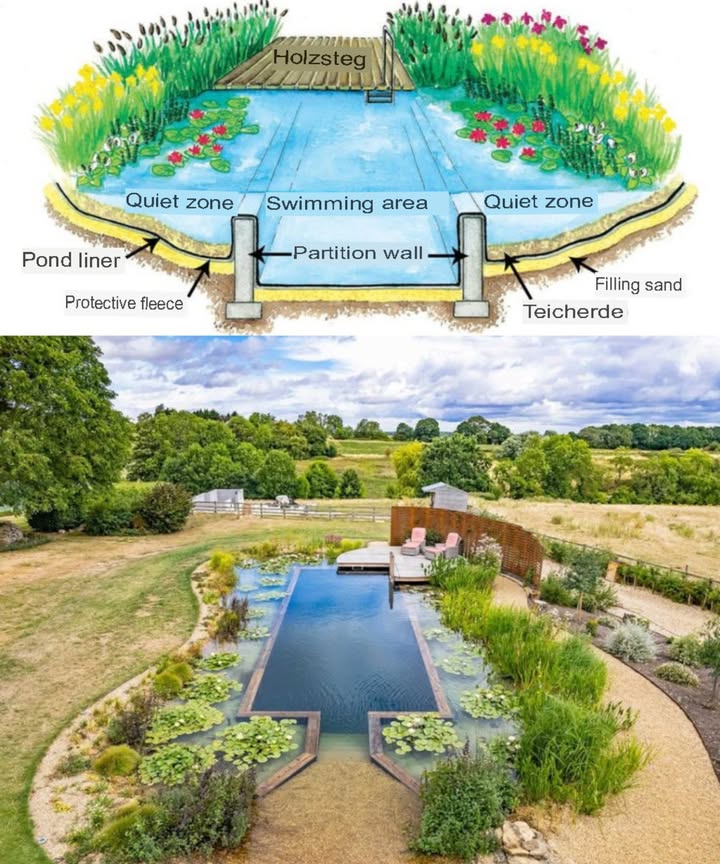
NATURAL POOL: YOUR STEP-BY-STEP GUIDE TO BUILD & MAINTAIN IT A natural pool is an eco-friendly, chemical-free way to enjoy swimming right in your backyard. With the right setup and a little care, you can create your own self-cleaning water paradise. Heres how to do it: 1 Pick the perfect spot Choose a wind-protected area with partial shade. Avoid placing the pool too close to treesfalling leaves can disturb the water balance. 2 Plan the size For comfortable swimming, aim for at least 35 square meters and around 1.8 meters deep. Smaller pools can work too but need high-quality filtration. 3 Create the base Lay down a sturdy pond liner over sand and protective fleece. Divide the space into a swimming zone and a planted regeneration area. 4 Ensure water circulation Install a pump that keeps water flowing through sand and biological filters. This is key to maintaining clean, healthy water. 5 Add aquatic plants Place filtering plants in the regeneration zonethey naturally clean the water, oxygenate it, and prevent algae from taking over. 6 Keep it clean Regularly remove debris and algae, check the pump system, and clean the liner when needed. Consistent care keeps your pool crystal clear. With a bit of planning and simple maintenance, youll enjoy a refreshing, sustainable swim all summer long. Dive into your projectyouve got this!
NATURAL POOL: YOUR STEP-BY-STEP GUIDE TO BUILD & MAINTAIN IT A natural pool is an eco-friendly, chemical-free way to enjoy swimming right in your backyard. With the right […]

Rosemary Tea with Honey Ingredients: 1 cup of water 1 teaspoon of rosemary A drizzle of honey optional Preparation: 1 Bring 1 cup of water to a boil. 2 Add the rosemary once boiling. 3 Let it boil for 1 more minute, then remove from heat. 4 Cover and let it steep for 5 minutes. 5 Strain, add a drizzle of honey, and enjoy warm. A simple, fragrant, and soothing herbal tea
Rosemary Tea with Honey Ingredients: 1 cup of water 1 teaspoon of rosemary A drizzle of honey optional Preparation: 1 Bring 1 cup of water to a boil. […]

Tired of itchy bites? Turn your home into a mosquito-free zone with these power plants! 烈 Citronella its lemony scent is a natural do-not-enter sign for mozzies. Lavender smells dreamy to us, nightmarish to them. Basil kitchen hero by day, bug bouncer by night. Peppermint cool aroma, hot defense. Calendula Marigold bright petals, bite-blocking power. Pot them near doors, windows, or the patio and enjoy summer minus the swarm! 烈
Tired of itchy bites? Turn your home into a mosquito-free zone with these power plants! 烈 Citronella its lemony scent is a natural do-not-enter sign for mozzies. Lavender […]
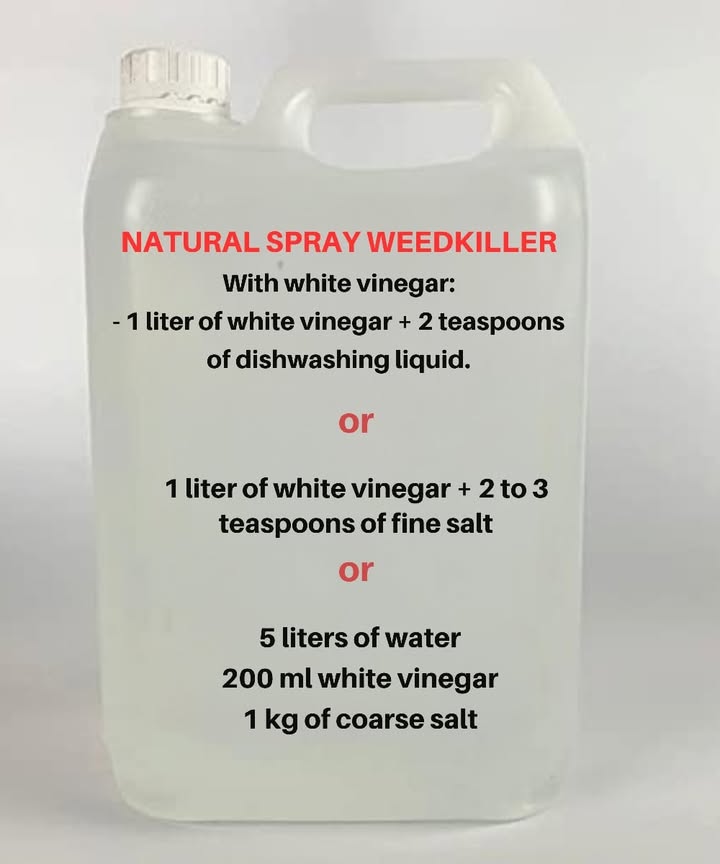
How to Create Your Own Eco-Friendly Weed Killer Chemical weed killers can damage not only your garden but also the planet. Luckily, there are natural alternatives that are both effective and safe. Here are some simple recipes you can try at home: Potato cooking water After boiling potatoes, dont throw the water away! While still hot, pour it directly over the weeds in your pathways or borders. Repeat regularly to keep unwanted plants at bay naturally. Nettle liquid fertilizer Chop about 2 kg of fresh nettles and soak them in 10 liters of water. Leave the mixture to ferment for around 10 days in a shaded area at about 20C. Strain and spray the liquid onto weeds. The leftover nettles can be composted to boost your soil. White vinegar dish soap Mix 1 liter of white vinegar with 2 teaspoons of dish soap. Pour into a spray bottle and apply directly to weeds. The soap helps the vinegar stick to the leaves for better results. White vinegar fine salt Dissolve 23 teaspoons of fine salt in 1 liter of white vinegar. Stir well and spray onto weeds, ideally on sunny days for faster action. Hand weeding Sometimes the simplest way is still the bestpulling weeds by hand. Its precise, effective, and completely chemical-free, especially useful for smaller areas. By using these eco-friendly methods, youre helping to protect the planet while keeping your garden neat and healthy. Happy gardening!
How to Create Your Own Eco-Friendly Weed Killer Chemical weed killers can damage not only your garden but also the planet. Luckily, there are natural alternatives that are […]
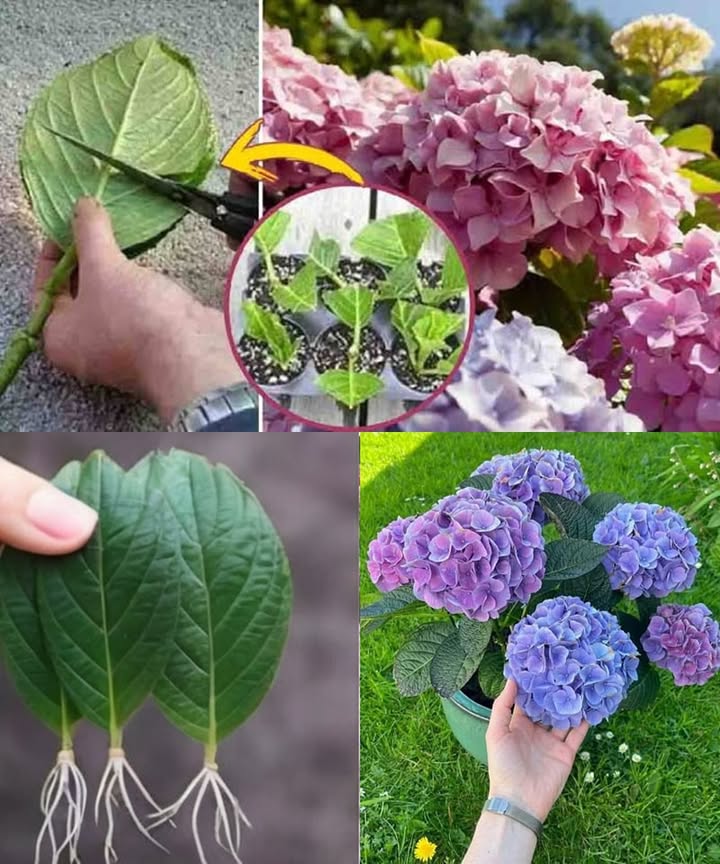
Propagate Hydrangeas Easily Multiply your hydrangeas in just a few easy steps: 1 Choose a green non-flowering stem, 1015 cm long with 23 nodes. 2 Cut just below a node and remove the lower leaves. 3 Optional Dip in rooting hormone. 4 Plant in moist, well-draining soil. 5 Cover with a plastic bag to keep humidity in. 6 Place in bright, indirect light and keep soil moist. Roots should form in 24 weeks! Then transplant into a pot or garden. Simple, cost-effective, and perfect for gifts or expanding your garden!
Propagate Hydrangeas Easily Multiply your hydrangeas in just a few easy steps: 1 Choose a green non-flowering stem, 1015 cm long with 23 nodes. 2 Cut just below […]
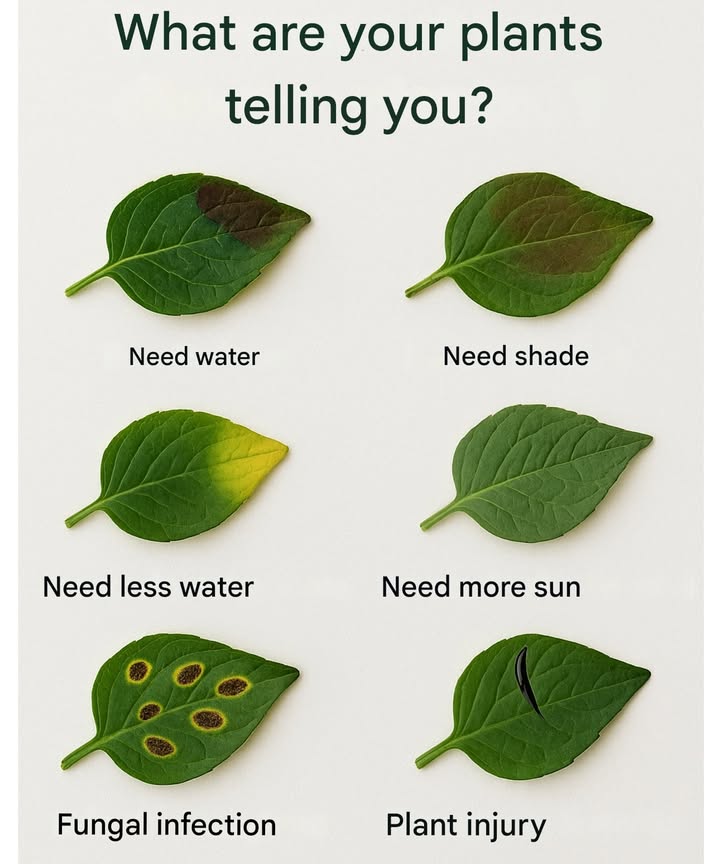
Signs Your Plant Might Be in Trouble Too little water dry, crispy leaves with yellow edges Too much sun scorched or yellowing foliage Not enough light pale leaves and spindly growth Overwatering yellowing leaves, mushy or rotting roots Fungal problems spots or white/gray mold on leaves Pest attack holes in leaves, visible bugs or webs Pay attention, nurture, and help your plant thrive
Signs Your Plant Might Be in Trouble Too little water dry, crispy leaves with yellow edges Too much sun scorched or yellowing foliage Not enough light pale leaves […]