Best Times to Drink Water 1 2 glasses after waking up wake up your body 2 1 glass before meals supports digestion 3 1 glass before showering helps […]

Learn to Speak Dog: A Must-Know Guide for Animal Lovers A relaxed posture with a neutral head and tail position shows that the dog is calm and comfortable. A dog in alert mode stands tall with its tail raised, showing full attention and awareness. A defensive stance, with a stiff body, lowered head, and tail, signals fear or feeling threatened. A high tail position reflects confidence and happiness, while a low tail can indicate submission or discomfort. A wagging tail usually means the dog is excited or joyful.
Learn to Speak Dog: A Must-Know Guide for Animal Lovers A relaxed posture with a neutral head and tail position shows that the dog is calm and comfortable. […]

Dog Body Language Made Simple Relaxed body = calm dog Wagging high tail = happy Tail tucked = scared Ears forward = curious Ears back = stressed Staring = challenge Looking away = submission Yawning/licking = stress sign Watch closely. Your dog speaks without words!
Dog Body Language Made Simple Relaxed body = calm dog Wagging high tail = happy Tail tucked = scared Ears forward = curious Ears back = stressed Staring […]
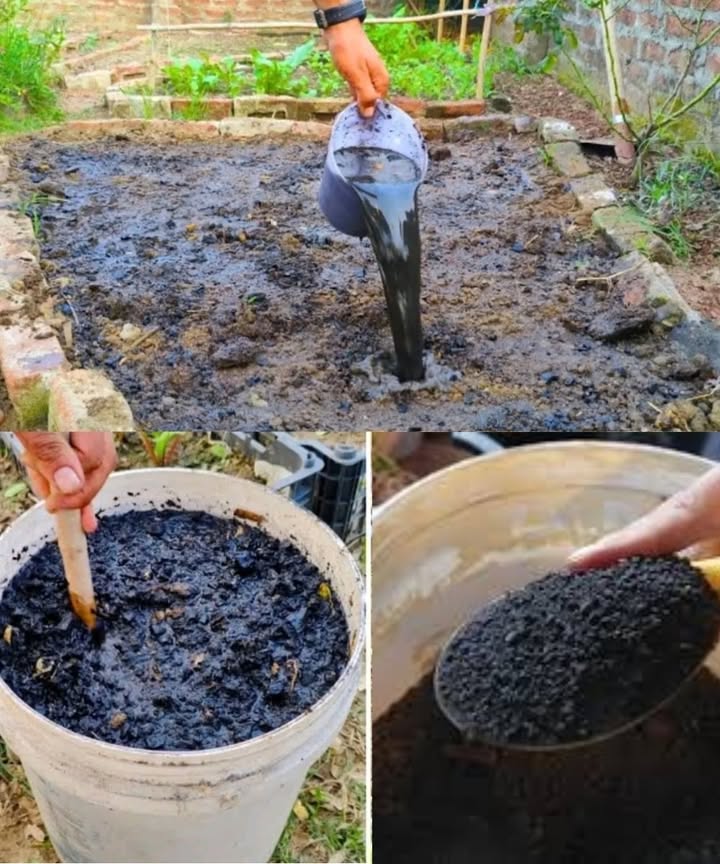
Activated Charcoal: The Natural Secret to a Healthy, Fertile Garden Revitalize your garden with an ancient, eco-friendly practice using activated plant charcoal to enrich and balance your soil naturally. Step 1: Crush the charcoal Break the charcoal into small pieces using a hammer or pestle. Place the fragments in a sturdy container for activation. Step 2: Natural activation Fill the container with rainwater or dechlorinated water. Add mature compost or well-rotted manure. Stir the mixture and let it rest for about a week, covered but not sealed. Step 3: Prepare your garden soil Loosen and aerate the soil using a spade or broadfork. Mix in compost to improve texture and fertility. Add bone meal to promote strong root growth. Step 4: Incorporate the activated charcoal Spread the prepared charcoal evenly over the soil. Gently mix it into the top layer of earth. Water thoroughly to help the charcoal blend in. Benefits of activated charcoal in the garden Boosts soil fertility and microbial diversity Improves nutrient absorption for plants Provides a sustainable alternative to chemical fertilizers A simple, natural step toward a thriving, productive, and eco-friendly garden!
Activated Charcoal: The Natural Secret to a Healthy, Fertile Garden Revitalize your garden with an ancient, eco-friendly practice using activated plant charcoal to enrich and balance your soil […]
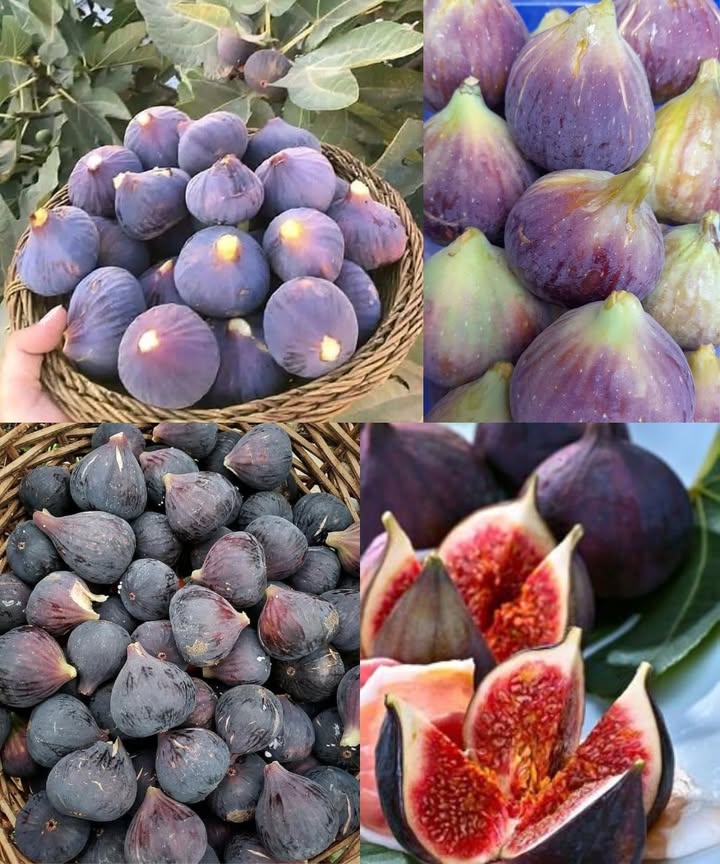
Did You Know? Figs Are Not Actually Fruits Figs might look like regular fruits, but theyre far from ordinary. In fact, theyre not even technically fruits. Botanically speaking, figs are actually inverted flowers. Unlike cherry or almond trees, fig trees dont bloom with visible flowers. Instead, their flowers bloom inside a fleshy pod known as a syconium. What we think of as a single fig is actually a cluster of many tiny flowers hidden within. These flowers develop into tiny fruits called achenes, each containing a seed. So when you bite into a fig and notice its crunchy texture, youre actually chewing on dozens sometimes hundreds of miniature fruits. One of the most fascinating things about figs is how they reproduce. They rely on a very specific pollinator: the fig wasp. This tiny insect enters the fig through a small opening to lay its eggs and, in the process, spreads pollen to help the fig flowers reproduce. Sadly, the wasp often dies inside the fig, completing a remarkable if a little unsettling life cycle. This relationship between the fig and the fig wasp is a powerful example of mutualism: the wasp needs the fig to reproduce, and the fig depends on the wasp for pollination. However, modern fig farming has changed. Most commercial fig varieties no longer need wasps. These are called parthenocarpic figs, meaning they can produce fruit without pollination. So next time you eat a fig, remember: youre not just eating a fruit youre enjoying a tiny botanical wonder packed with science and history.
Did You Know? Figs Are Not Actually Fruits Figs might look like regular fruits, but theyre far from ordinary. In fact, theyre not even technically fruits. Botanically speaking, […]
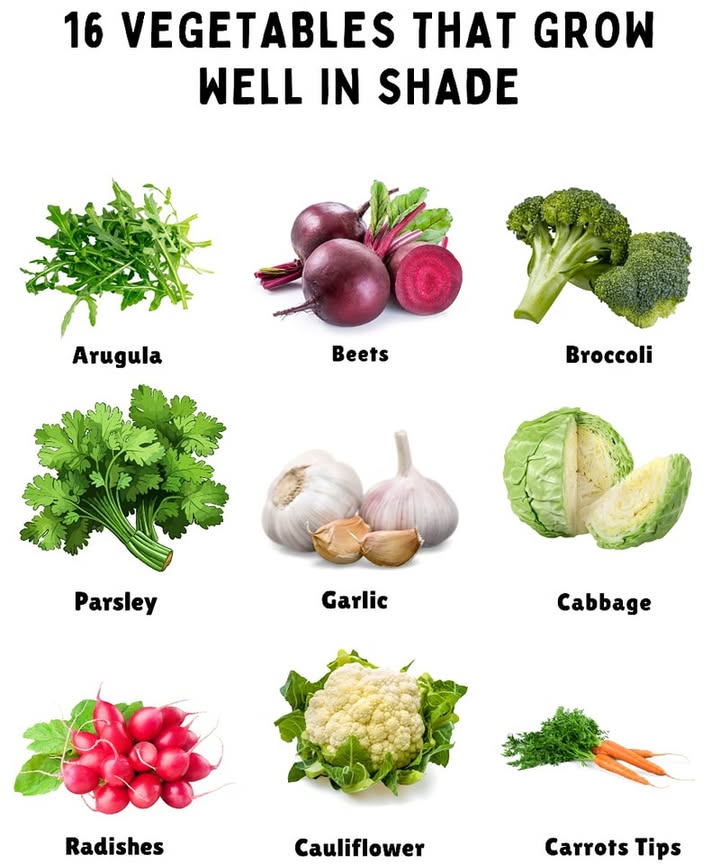
16 Vegetables That Thrive in the Shade 塞 No full sun? No problem! These cool-season crops do great in low-light gardens: 1. Arugula Quick to grow and happy with a bit of shade. 2. Beets The roots like sun, but the leafy tops love some shade. 3. Broccoli Can handle partial shade and still give solid harvests. 4. Brussels Sprouts Enjoys cooler weather and gentle sunlight. 5. Cabbage Shade keeps it from overheating in warm climates. 6. Carrots Grow slower in shade, but still come out sweet. 7. Cauliflower A bit of shade helps protect it from heat. 8. Celery Grows best in cool, moist, semi-shaded spots. 9. Garlic Likes morning sun but copes well with partial shade. 10. Kale Absolutely loves cool temps and lower light. 11. Leeks Very tolerant of shade and easy to care for. 12. Lettuce Shade helps prevent it from bolting too early. 13. Mustard Greens Happy to grow in shadier corners. 14. Parsley Thrives in dappled sunlight and rich soil. 15. Radishes Fast growers, even with limited light. 16. Spinach A true shade stargrows best out of direct sun. These veggies prove you dont need a sun-drenched plot to enjoy a thriving harvest!
16 Vegetables That Thrive in the Shade 塞 No full sun? No problem! These cool-season crops do great in low-light gardens: 1. Arugula Quick to grow and happy […]
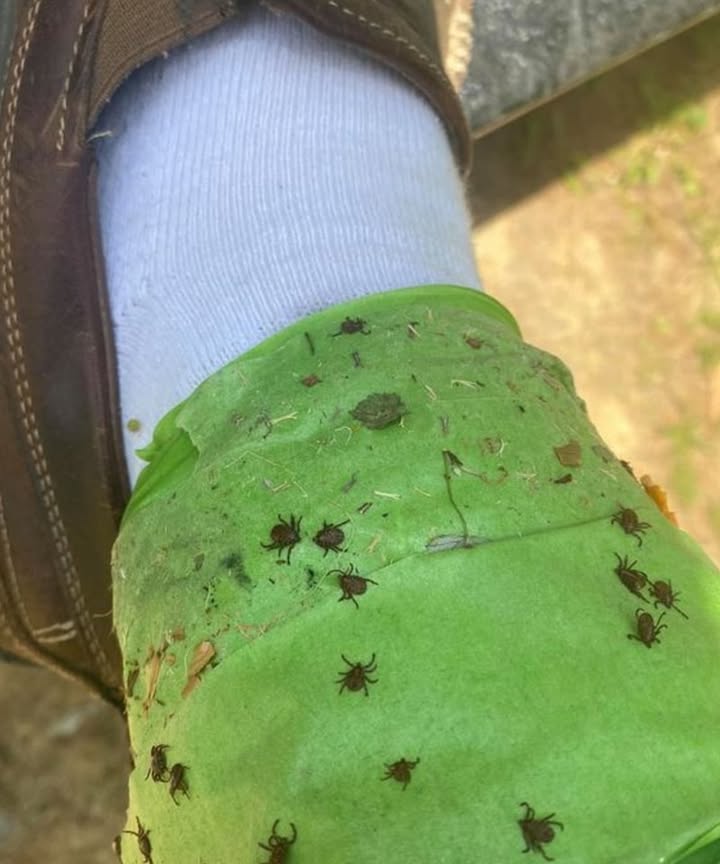
Smart spring gardening tip: Wrap sticky tape sticky side out around your ankles. It traps ticks before they can climb up your legs.
Smart spring gardening tip: Wrap sticky tape sticky side out around your ankles. It traps ticks before they can climb up your legs.

How Molasses Supports Sustainable Agriculture Short Version Microbial Fuel: Diluted molasses energizes soil microbes, boosting activity and nutrient release. Fertilizer Booster: Feeds microbes in compost teas, worm leachate, and fermented biofertilizers like biol. Soil Conditioner: Improves structure, water retention, and root growthespecially in poor soils. Animal Feed Additive: Adds energy and taste to livestock feed in mixed farming systems. Main Benefits: Enhances soil fertility Strengthens crops Improves organic fertilizer performance Supports compost microbes In Short: Molasses is a powerful, natural tool for sustainable and organic farming.
How Molasses Supports Sustainable Agriculture Short Version Microbial Fuel: Diluted molasses energizes soil microbes, boosting activity and nutrient release. Fertilizer Booster: Feeds microbes in compost teas, worm leachate, […]
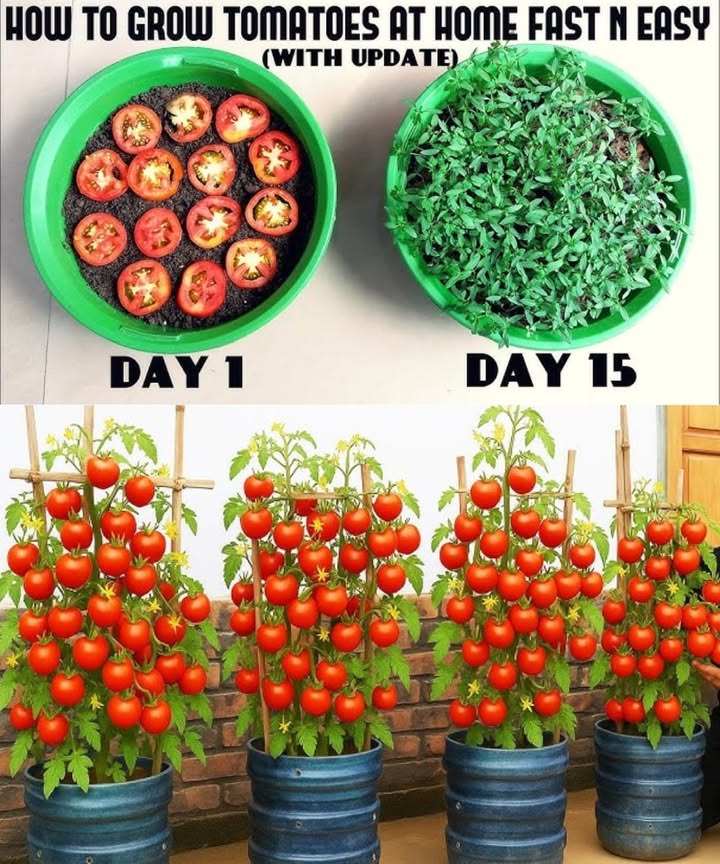
Growing Tomatoes from Tomato Slices 1 Slice your tomato Pick a ripe, healthy tomato and cut it into thick slices. 2 Prepare your containers 華 Fill pots or recycled bottles with nutrient-rich soil to create mini growing pots. 3 Place the slices Lay the slices flat on the soil with the seeds facing downward, leaving space between them. 4 Water and wait Keep the soil moist by watering gently. In a few weeks, small tomato seedlings will begin to sprout. 5 Let them grow Once the seedlings are strong enough, transplant them into bigger pots or into your garden. Fresh homegrown tomatoes will soon be ready! Extra tip: Its a fun and eco-friendly way to recycle food scraps while growing your own veggies!
Growing Tomatoes from Tomato Slices 1 Slice your tomato Pick a ripe, healthy tomato and cut it into thick slices. 2 Prepare your containers 華 Fill pots or […]