

列 The Parrots of the World 列 Colorful, intelligent, and full of personality, parrots show us the incredible diversity of nature. In the image, you can see such […]
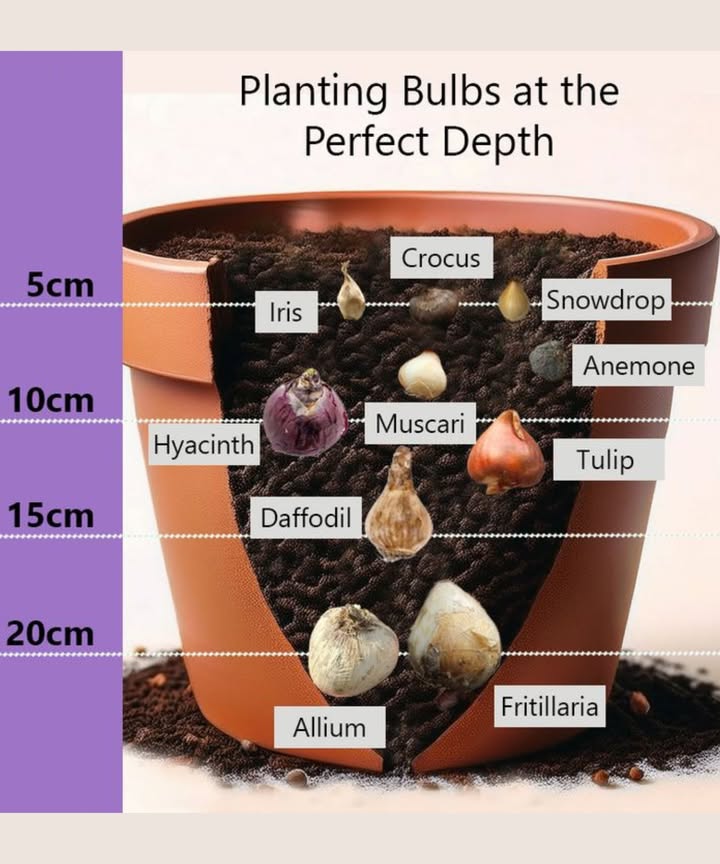
Planting Bulbs at the Perfect Depth Getting your planting depth right is the secret to strong roots and beautiful blooms. Heres how deep to plant your favorite spring bulbs for the best results! Shallow 5 cm deep Crocus Bright early-spring color Snowdrop Delicate white blooms Iris Graceful and elegant Medium 10 cm deep Hyacinth Fragrant and vibrant Muscari Grape Hyacinth Small but striking Tulip The classic garden favorite Deep 1520 cm deep Daffodil Cheerful yellow blossoms Allium Bold and architectural Fritillaria Unique and dramatic Pro Tip: Plant bulbs in layers deepest bulbs at the bottom, smaller ones above for continuous blooms through spring! Perfect depth = perfect garden.
Planting Bulbs at the Perfect Depth Getting your planting depth right is the secret to strong roots and beautiful blooms. Heres how deep to plant your favorite spring […]
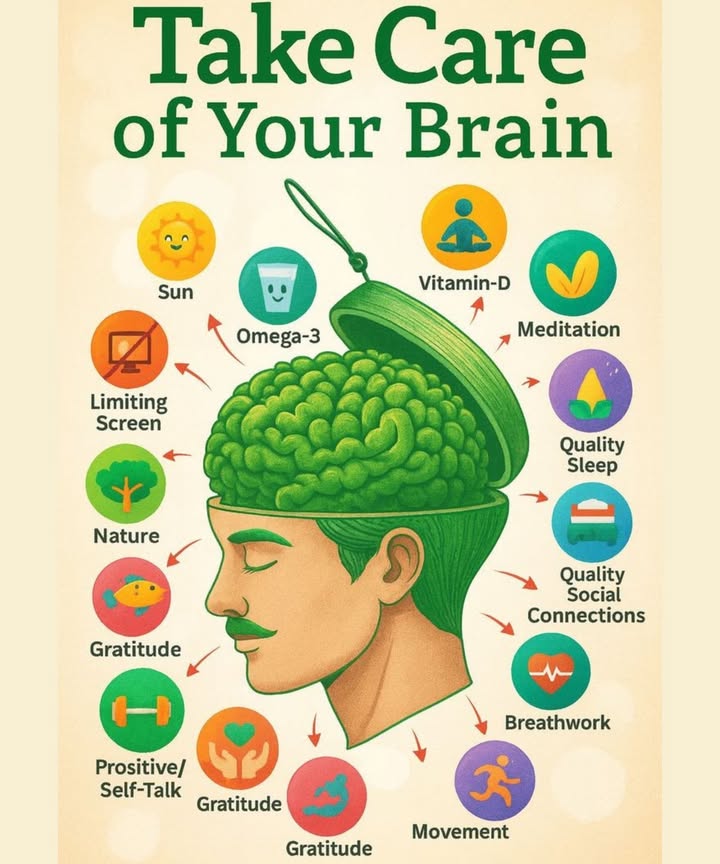
易 Take Care of Your Brain: 12 Simple Habits for a Healthy Mind 1. Get Some Sun Sunlight boosts serotonin and helps regulate your sleep-wake cycle. Just 1020 minutes outdoors can uplift your mood and brain function. 2. Vitamin D Support brain health by getting enough Vitamin D through sun exposure, supplements, or foods like fatty fish and eggs. 律 3. Meditation Reduce stress, improve focus, and boost mental clarity with just 10 minutes of daily meditation. 4. Quality Sleep Your brain heals, resets, and processes memories while you sleep. Aim for 79 hours of restful sleep. 5. Quality Social Connections Strong relationships protect against stress, depression, and memory decline. Make time for loved ones. 6. Breathwork Mindful breathing calms the nervous system, reduces anxiety, and enhances focus. 7. Movement Exercise increases blood flow to the brain, improving memory, learning, and creativity. 8. Gratitude Practicing gratitude rewires your brain for positivity and resilience. 9. Positive Self-Talk Replace negative thoughts with empowering ones. Self-compassion strengthens mental well-being. 10. Nature Spending time outdoors reduces stress and restores focus. 11. Limit Screen Time Too much screen exposure can overstimulate and exhaust the brain. Set healthy boundaries. 12. Omega-3 Found in salmon, walnuts, and flaxseeds, Omega-3s protect brain cells and boost memory.
易 Take Care of Your Brain: 12 Simple Habits for a Healthy Mind 1. Get Some Sun Sunlight boosts serotonin and helps regulate your sleep-wake cycle. Just 1020 […]
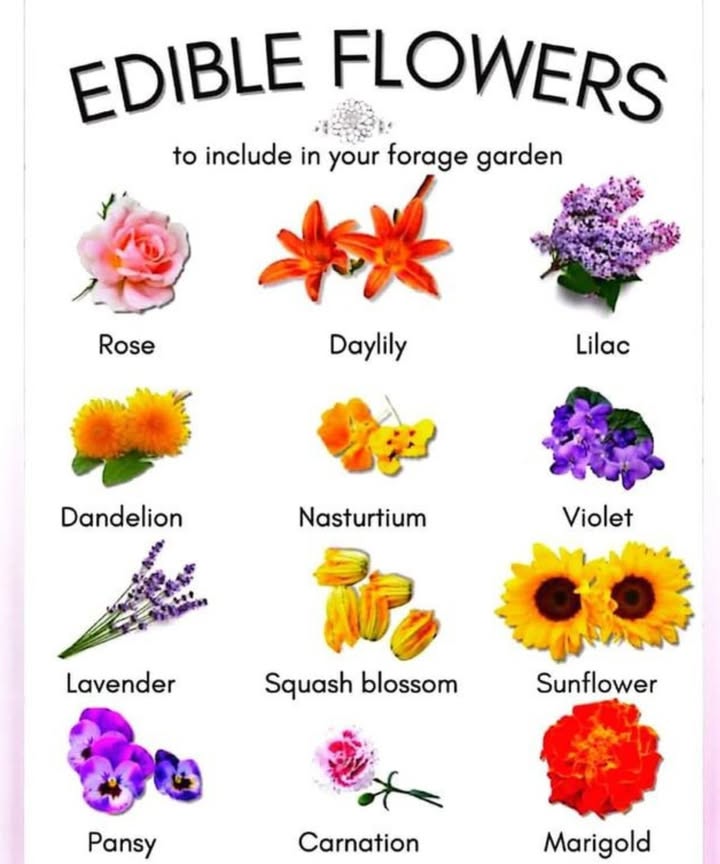
Edible Flowers to Grow in Your Forage Garden Classic & Fragrant: Rose Petals are perfect for jams, syrups, and desserts. Lavender Lovely in teas, baked goods, and savory dishes. Carnation Spicy-sweet petals, ideal for decorating cakes. Bright & Bold: Marigold Slightly citrusy, great in rice or salads. Sunflower Young petals and buds are edible; seeds too! Dandelion Use the entire plant: petals, greens, and roots. Fresh & Peppery: Nasturtium Spicy, peppery flavor; edible flowers and leaves. Daylily Mildly sweet and crunchy; great in stir-fries. Sweet & Delicate: Lilac Subtle floral flavor, beautiful in syrups. Violet Great for candies, jellies, or herbal infusions. Pansy Mild flavor, perfect for garnishes and salads. Bonus: Squash Blossom A culinary favorite! Stuff and fry or toss into soups. Bloom, Harvest, Eat! Growing edible flowers turns your garden into a living pantry! Just be sure to use pesticide-free blooms.
Edible Flowers to Grow in Your Forage Garden Classic & Fragrant: Rose Petals are perfect for jams, syrups, and desserts. Lavender Lovely in teas, baked goods, and savory […]

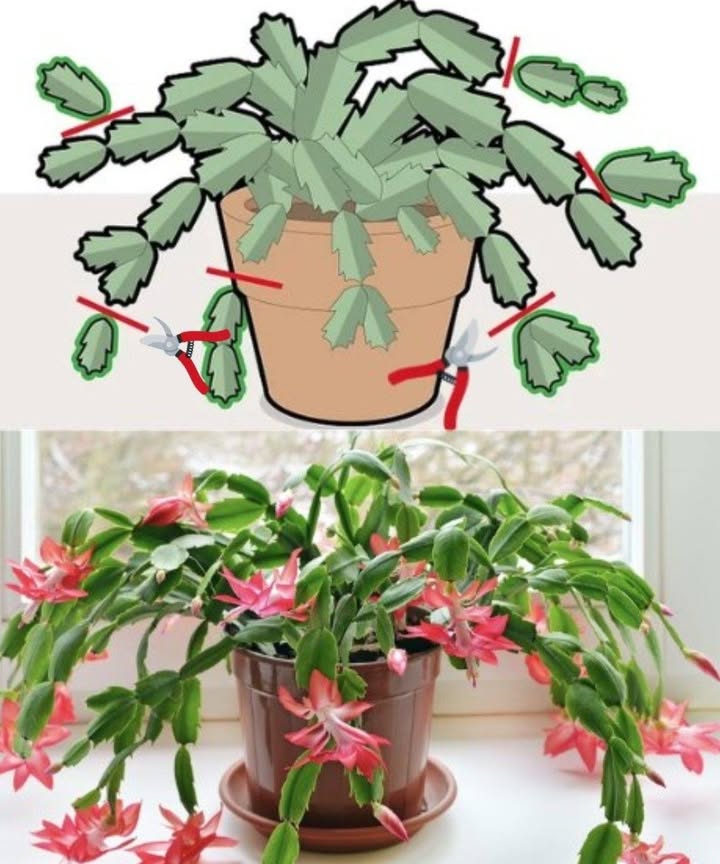
How to Prune Your Christmas Cactus for Lush Blooms Timing: Prune after flowering, during the growth phase, until late spring. Technique: Remove up to one-third of the plant, cutting off the stem tips for fuller growth. Propagation: Take Y-shaped cuttings, 3-4 segments long, from the parent cactus. Preparation: Toast or cut the stems at the joints; let the cuttings heal for up to four days. Planting: Use a soil mixture of moist peat and sand; add pumice for drainage. Follow these tips for beautiful blooms year after year. Happy gardening!
How to Prune Your Christmas Cactus for Lush Blooms Timing: Prune after flowering, during the growth phase, until late spring. Technique: Remove up to one-third of the plant, […]
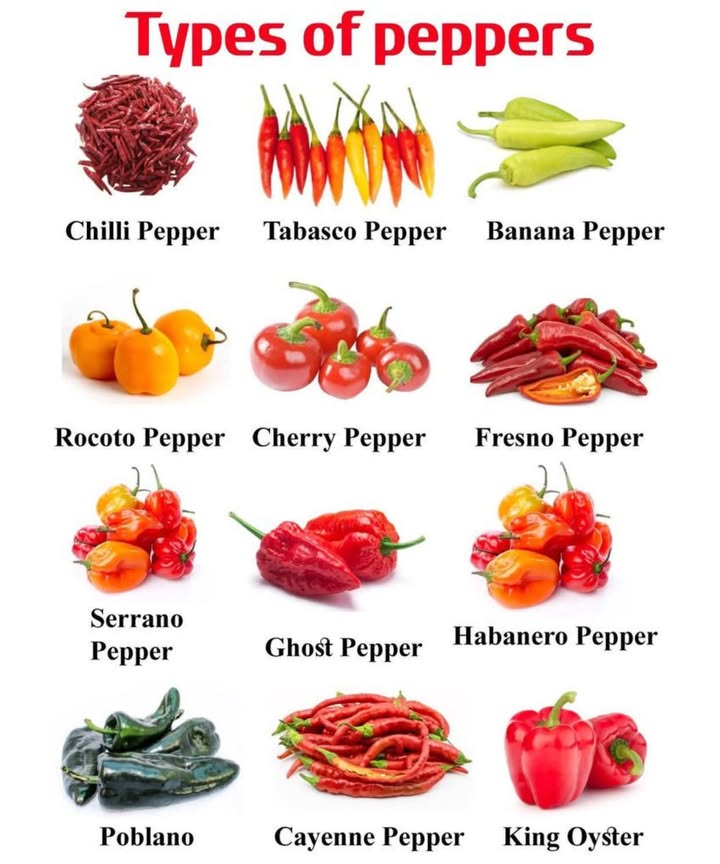
Types of Peppers to Spice Up Your Cooking 1 Chilli Pepper The classic spice staple that adds heat to any dish. 2 Tabasco Pepper Known for its use in the famous hot sauce, perfect for adding a zesty kick! 3 Banana Pepper Mildly spicy with a tangy twist, ideal for salads and sandwiches. 4 Rocoto Pepper A Peruvian pepper with a fruity flavor and medium heat. 5 Cherry Pepper Small and round, these peppers pack a punch with their tangy heat. 6 Fresno Pepper A sweet and smoky pepper thats great for salsas and grilling. 7 Serrano Pepper A fiery pepper thats perfect for making hot sauces and adding heat to dishes. 8 Ghost Pepper One of the hottest peppers in the world! Handle with care. 9 Habanero Pepper Popular in Caribbean cuisine, these peppers are fiery with a fruity flavor. Poblano Pepper Mild and flavorful, great for stuffing or adding depth to your meals. 11 Cayenne Pepper A hot and versatile pepper, often ground into a powder for seasoning. 12 King Oyster Pepper This unique pepper adds an earthy and savory flavor with a mild heat. Spice up your dishes by experimenting with these peppers for a burst of flavor and heat!
Types of Peppers to Spice Up Your Cooking 1 Chilli Pepper The classic spice staple that adds heat to any dish. 2 Tabasco Pepper Known for its use […]
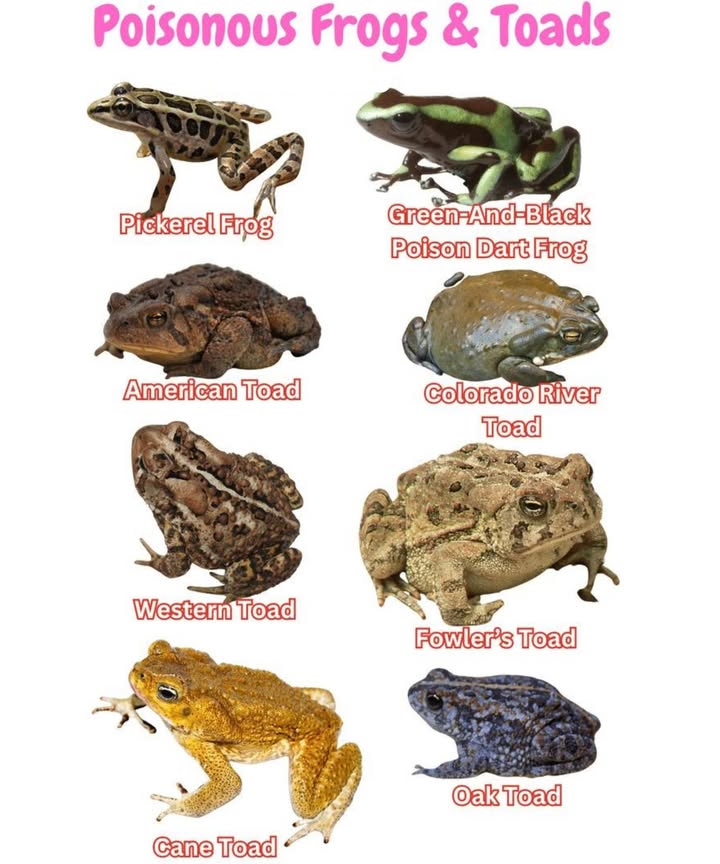
Poisonous Frogs & Toads You Should Know About 1. Pickerel Frog Releases skin secretions toxic to predators. 2. Green-and-Black Poison Dart Frog Famous for its powerful skin toxins used by Indigenous hunters. 3. American Toad Secretes bufotoxins that can irritate eyes, skin, and mouths of predators. 4. Colorado River Toad Sonoran Desert Toad Produces powerful toxins; highly dangerous if ingested. 5. Western Toad Emits mild toxins as a defense against predators. 6. Fowlers Toad Produces skin secretions that can be irritating to humans and animals. 7. Cane Toad One of the most toxic toads in the world; its poison can kill pets and wildlife. 8. Oak Toad Small but secretes toxins that can deter predators. Safety Tips When Around Frogs & Toads Do not touch wild frogs or toads with bare hands. Keep pets away from themespecially dogs. Wash hands thoroughly if contact occurs. Never attempt to eat or handle these species. Frogs and toads are fascinating and vital to ecosystems, but some come with serious risks. Admire them from a safe distance to protect both yourself and the animal!
Poisonous Frogs & Toads You Should Know About 1. Pickerel Frog Releases skin secretions toxic to predators. 2. Green-and-Black Poison Dart Frog Famous for its powerful skin toxins […]
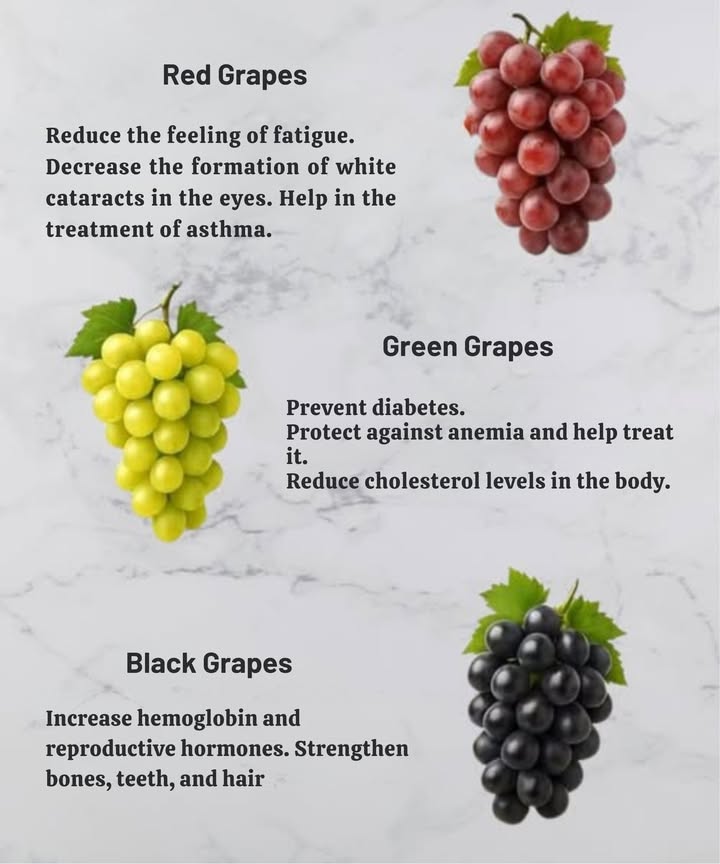
Benefits of Grapes Red Grapes Reduce fatigue Reduce cataracts Help treat asthma Green Grapes Prevent diabetes Protect against anemia Reduce cholesterol in the body Black Grapes Increase hemoglobin and reproductive hormones Strengthen bones, teeth, and hair
Benefits of Grapes Red Grapes Reduce fatigue Reduce cataracts Help treat asthma Green Grapes Prevent diabetes Protect against anemia Reduce cholesterol in the body Black Grapes Increase hemoglobin […]