Ava is a pen name — the name this site publishes under. There’s no hidden person named Ava, and no life story attached to her. The name exists so that every page can read like one gardener with one standard, instead of like a committee that changes its mind about row spacing every third article.
This site is written and edited by one independent publisher, working under a single editorial name. One editorial name keeps the voice steady and keeps responsibility in one place. When a guide here is wrong, it’s wrong under this name, and it gets corrected under this name.
What this site claims, and what it doesn’t
It claims a method, not a résumé. There are no horticulture credentials behind this site. No Master Gardener certificate, no horticulture degree, no nursery, no award. You’d work that out eventually, so it’s stated on the About page instead.
There’s also no claim that a particular plant was grown, killed, or measured in a particular backyard on a particular date. When you read a spacing, a depth, or a planting window here, it came from published research and it carries the source. Not from a story about a tomato.
Where the authority actually comes from
Three rules do most of the work.
- Every date is tied to a zone. “Plant in April” is useless across a country that runs from zone 1 to zone 13. Dates here name a hardiness zone or a frost date, or they don’t get published.
- Every plan carries its measurements. Inches and feet for spacing and depth. Gallons for containers. Degrees Fahrenheit for soil and air. Days to harvest, counted from a stated starting point.
- Anything with a safety edge links out. Not to a blog. To a named authority: your state Cooperative Extension service, the USDA, NOAA, the EPA, the National Center for Home Food Preservation, the US Fish & Wildlife Service, your state noxious-weed list, ASPCA Animal Poison Control (888-426-4435, consultation fee), or Poison Control (1-800-222-1222).
How a guide gets made
The same sequence every time.
- Research starts with public institutions. State Cooperative Extension publications first, then USDA material. Extension guidance is regional, which is exactly what gardening advice needs to be.
- Zones come from one map. The 2023 USDA Plant Hardiness Zone Map, which is built on 1991–2020 weather data and produced with Oregon State University’s PRISM Climate Group. If your zone changed in 2023, that’s why.
- Measurements get written out. In inches and feet, not in “a good handful” or “deep enough.”
- Timing gets qualified. By zone, by last or first frost, or by soil temperature — whichever the plant actually responds to.
- Sources get linked. So you can check the claim instead of trusting the writer.
- Every page shows a last-reviewed date. A page that hasn’t been re-checked in two years should tell you so.
What we will never do
These are permanent limits, not a to-do list for later. Some of them are safety. Some of them are law.
- No foraging, wild edibles, or mushroom identification. Getting it wrong can kill someone, and a photograph on a screen is not an identification.
- No plant toxicity as a destination topic. Where a plant’s toxicity matters to a guide, you get the fact and a link to ASPCA Animal Poison Control or Poison Control. You don’t get a home treatment plan.
- No medicinal or herbal-remedy claims. Growing an herb is gardening. Dosing yourself with it isn’t.
- No cannabis growing content.
- No pesticide or herbicide doses, dilution ratios, or mixing rates. The product label is the legally enforceable instruction, and under federal law (FIFRA) using a pesticide in a way inconsistent with its labeling is a violation. So the answer here is always the same: read the label.
- No homemade bug-spray recipes. Same reason. A homemade mix carries no label, no tested rate, and no safety data, and it can still burn foliage or skin.
- No home canning methods. Processing times and pressures are a botulism question, so they belong to the National Center for Home Food Preservation and the USDA, and we link there.
About the photographs and diagrams
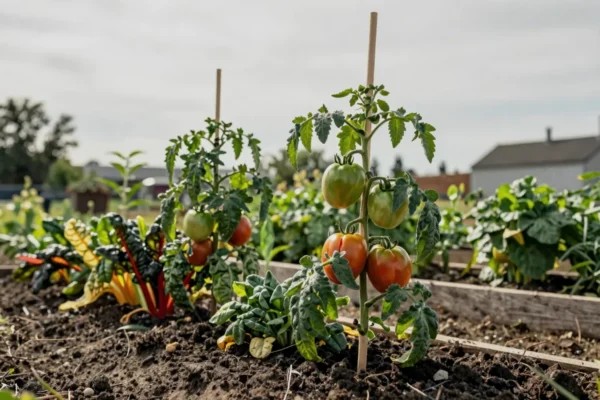
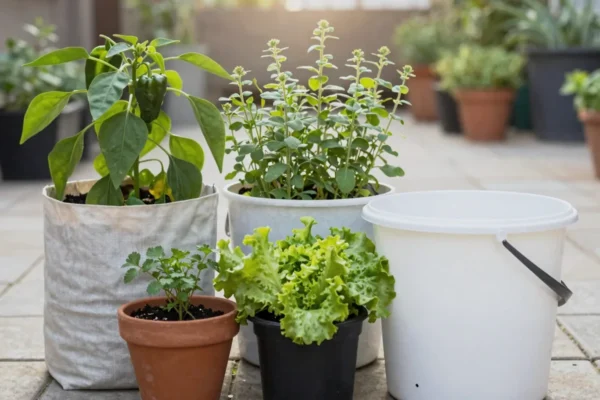
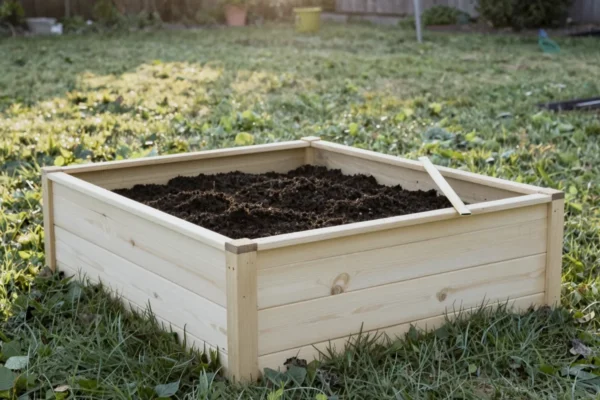
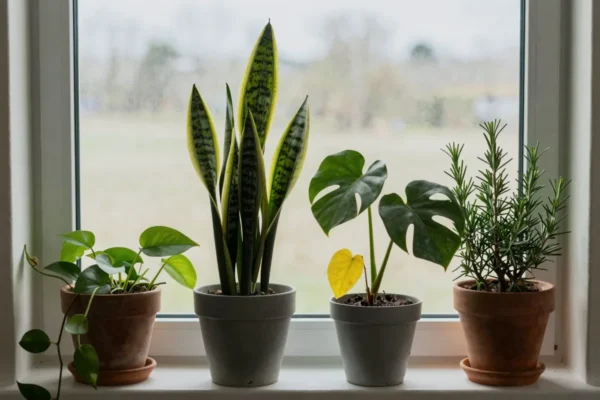
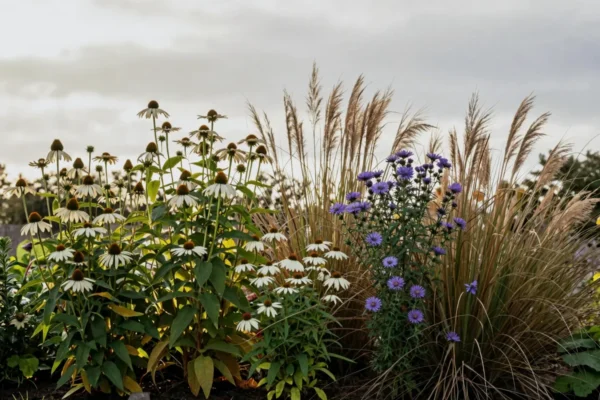
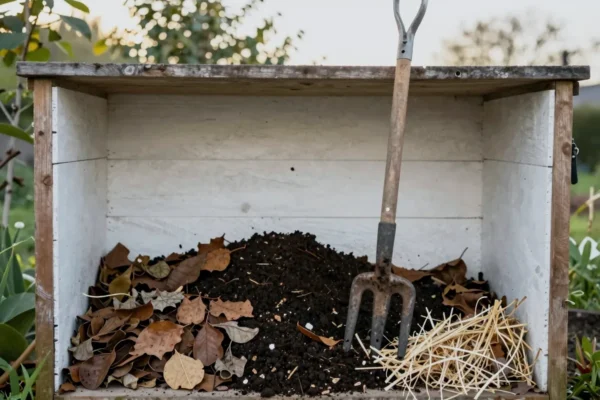
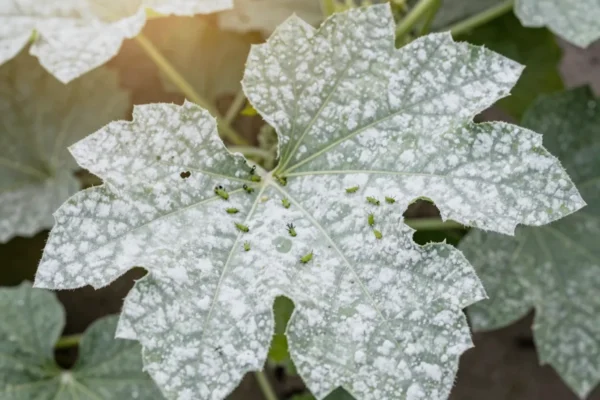
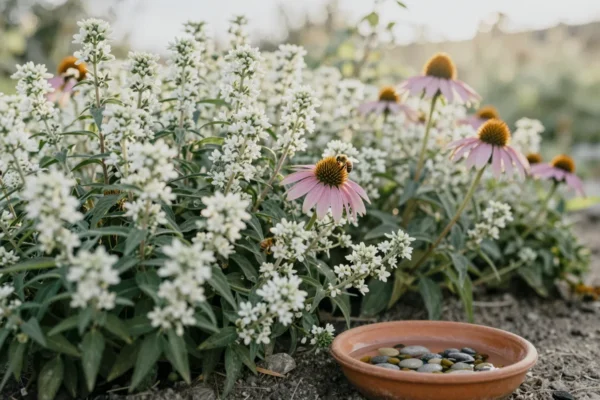
Illustrations are labeled as illustrations. Where an image is a drawing, a diagram, a stock photograph, or a generated illustration, the caption says so. Nothing on this site is presented as documentary evidence of a plant grown by the author, because that isn’t what these images are. A spacing diagram is there to show you six inches versus eighteen, and it says “illustration” underneath.
Who publishes this, and how it’s paid for
The publisher is Ava’s Garden Tips, an independent one-person operation. The site is funded by display advertising, which means advertisers pay for space next to the writing and have no say in it. No advertiser reviews a guide before it goes up. Nothing gets recommended because it pays better.
Gardening advice is regional and yours is the region that counts. Local Extension guidance beats anything published here, every time. Read this site as a starting plan, then check it against your county.
How to reach a human
Email hello@avagardentips.com. A person reads it — the same person who writes the pages.
Corrections are the most welcome kind of message. Include the page address and what’s wrong, and if you can point at an Extension bulletin or a USDA page that contradicts us, even better. Corrections get made on the page, and the last-reviewed date moves. You can also use the contact page, and the rules above are set out in full in the editorial policy.
Last reviewed: August 25, 2026.