This site gives you specific numbers, timings tied to your own frost date, and plain gardening advice for a US home garden. You get the number, then the reason for the number, then the part that could still go wrong. Nothing more decorative than that.
Do this before you read anything else
Find your USDA hardiness zone and your average last spring frost date. Write both down. Almost every timing on this site is counted backward or forward from your last frost date, and almost every “will this survive winter” answer depends on your zone.
Zones come from the USDA 2023 Plant Hardiness Zone Map, which uses 1991-2020 weather data and was built with Oregon State University’s PRISM Climate Group. Your frost date is a local average, not a promise, and a cold snap does not read averages. Both lookups are on Planting Zones and Frost Dates.
Who this is for
Home gardeners in the United States, mostly at the beginning. You might have a balcony with four pots, a first raised bed, or a plant that is going yellow for reasons nobody has explained to you. The instructions assume no prior vocabulary. Where a term is unavoidable, it gets translated in the same sentence, so you will read about the bit where a leaf meets the stem rather than the axil.
How the site is organized
Nine categories, each one a place rather than a mood board.
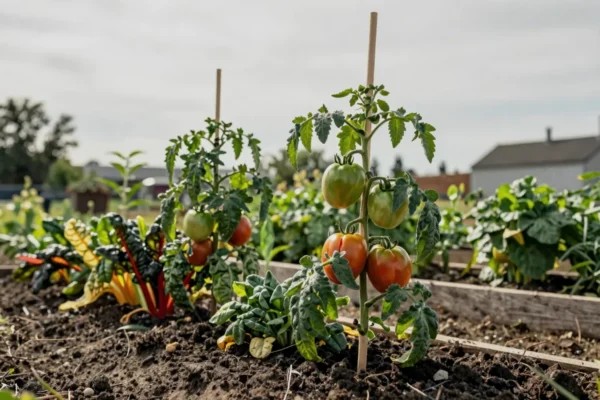
- Vegetable Garden — what to sow, when, and how far apart.
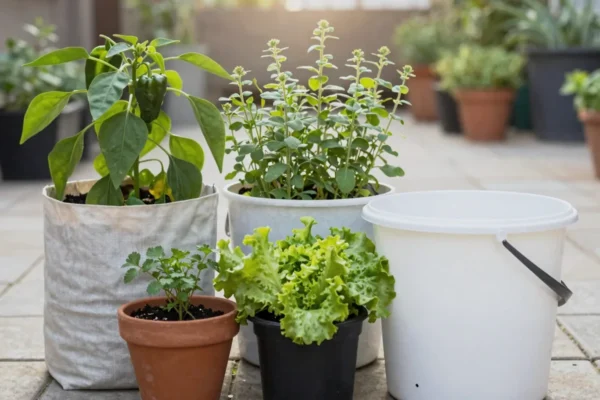
- Container Gardening — pots, potting mix, and why containers dry out faster.
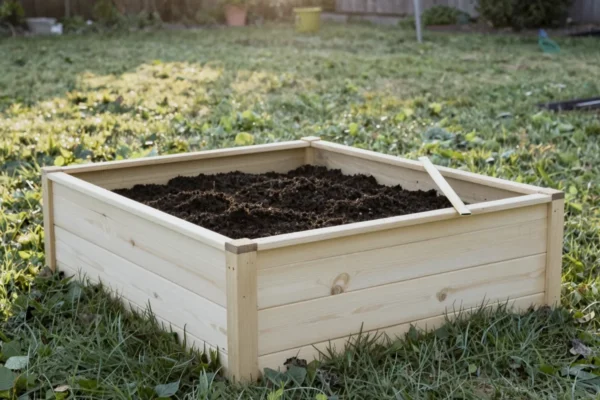
- Raised Beds — sizes, depths, and what to fill them with.
- Planting Calendar — month-by-month tasks tied to your frost dates.
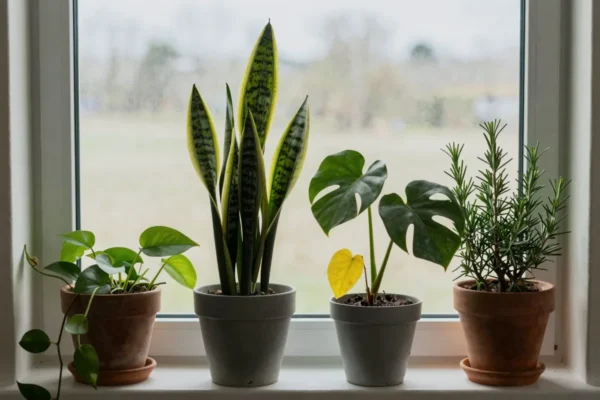
- Houseplants — light, water, and the usual indoor failures.
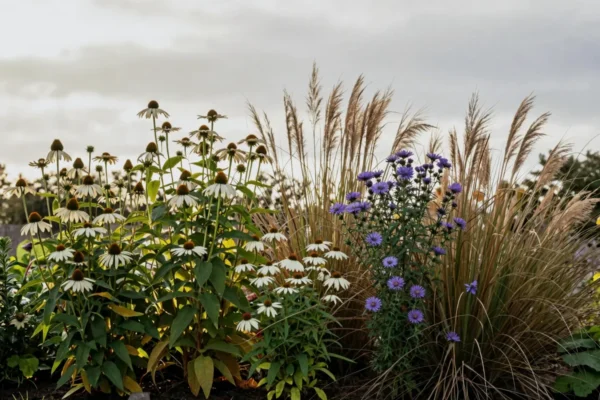
- Flower Garden — annuals, perennials, bulbs, and bloom timing.
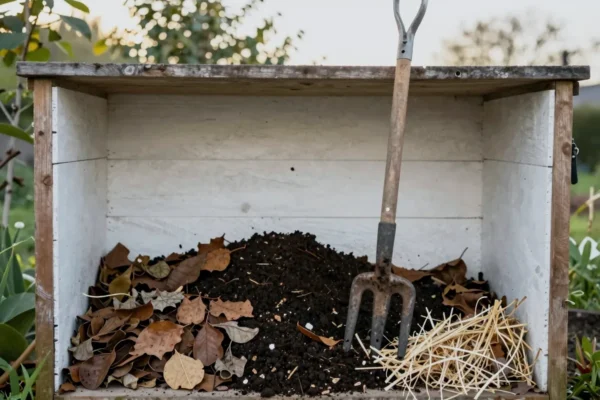
- Soil and Compost — testing, amending, and a compost pile that works.
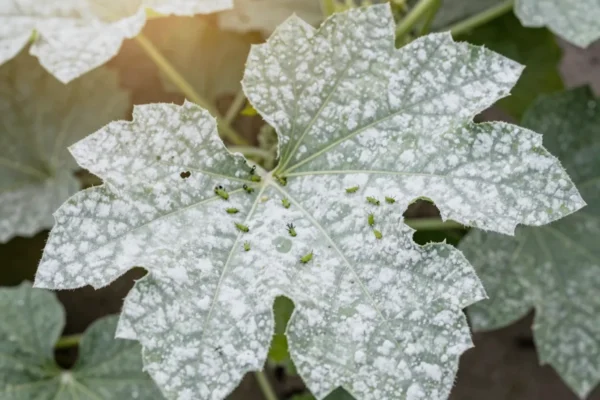
- Garden Problems — diagnosis first, then the least drastic fix.
- Pollinators and Wildlife — bees, birds, and keeping deer honest.
The four pages to read first
- Planting Zones and Frost Dates — the two numbers everything else hangs on.
- About This Site — who publishes it, and who Ava is.
- Editorial Policy — how advice gets checked, and what gets refused.
- Contact — how to tell us something here is wrong.
What this site will not cover
Some topics are dangerous to get wrong, so they are out of scope permanently rather than “coming soon”.
- Foraging, wild edibles, and mushroom identification. A photograph is not an ID.
- Medicinal and herbal-remedy claims, and cannabis.
- Pesticide or herbicide doses, dilution, and mixing rates. The product label is legally enforceable, and using a registered pesticide in a way its label does not permit is a federal violation under FIFRA. Read your label, then call your state Cooperative Extension service.
- Homemade bug-spray recipes.
- Home canning methods. Those come from the National Center for Home Food Preservation and the USDA, and we link out rather than paraphrase.
- Plant toxicity as a how-to. You get the plain fact that a plant is toxic plus a link to ASPCA Animal Poison Control (888-426-4435, and a consultation fee applies). For people, Poison Control is 1-800-222-1222.
This site is new
It launched on August 2026, and the categories above are mostly empty right now. There is no back catalog behind them yet, and pretending otherwise would be a poor start. Articles get added steadily, and the categories fill in the order that questions arrive. If you came from Pinterest for one specific thing and it is not here yet, that is the honest reason.
Who writes it
Ava is a pen name. It is the editorial voice of the site, not a person with a résumé we are hiding from you, and no credentials are claimed for it. The site is run by one independent publisher, and display advertising is how it is meant to pay for itself.
Guidance is checked against state Cooperative Extension services, the USDA, and NOAA, and those sources are named where they are used. Where local conditions decide the answer, the page says so and sends you to your own Extension office. Corrections go to hello@avagardentips.com and get made, not argued with. More on all of this in About This Site.