
Category: Bees & Butterflies
Host plants and nectar plants do different jobs, and a butterfly garden needs both. Caterpillars eat the host; adults drink from the nectar. Pages here cover native bee nesting, bee hotels built so they can be cleaned instead of spreading disease, and monarch waystations with the milkweed species that belongs in your region.
Nothing here yet.
This section is still being planted. Try the sections below, or search for what you need.
Where to start
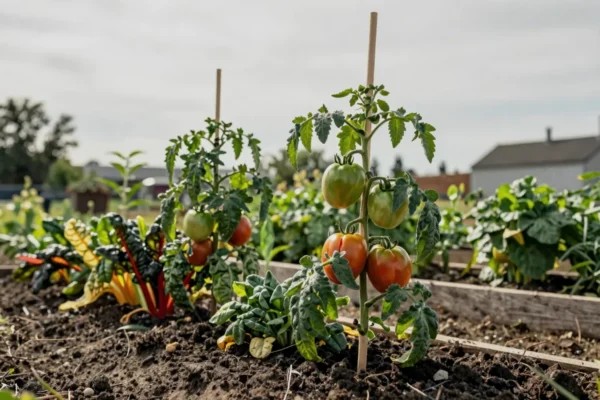
Vegetable Garden
Start with the space you actually have. This is the vegetable garden section, where the crop is the subject: how far apart…
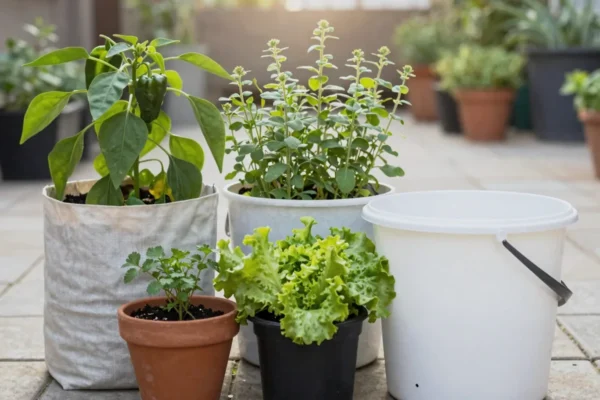
Container & Small-Space Gardening
Container gardening starts with the pot, not the plant. Guides here give the volume a crop needs in gallons, the soil depth…
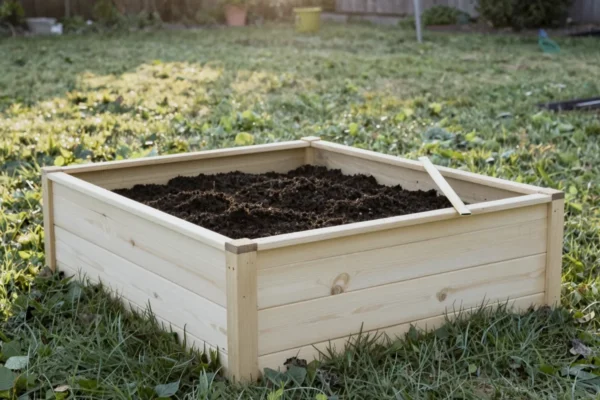
Raised Beds & Garden Plans
Get the numbers before you buy the lumber. This section covers raised bed garden sizing from the ground up: bed depth by…
Planting Calendar & Zones
Two dates drive most timing questions: your average last spring frost and your first fall frost. This planting calendar explains both, then…
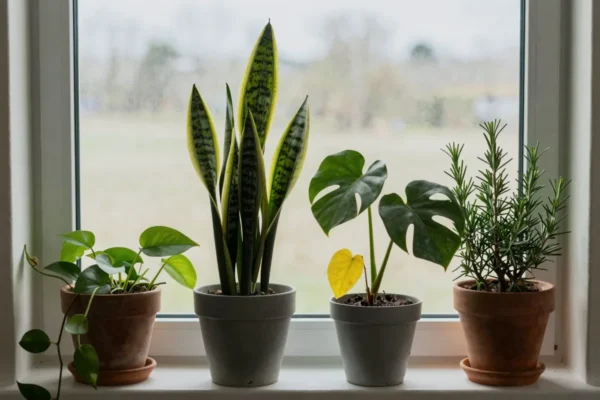
Houseplants & Indoor Plants
Most houseplant trouble is light or water, and both are measurable. Houseplant care here starts with what a window actually gives at…
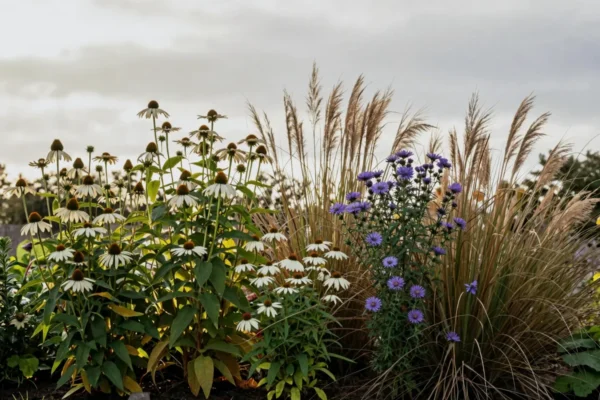
Flowers & Perennials
A flower garden that still looks planned in year three. You get perennials listed by mature height, spread and bloom window, so…
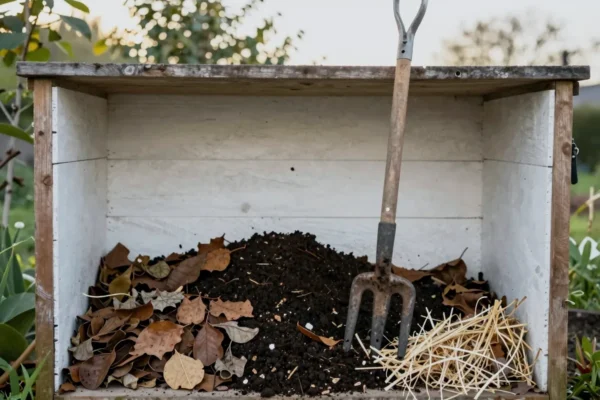
Soil, Compost & Feeding
Garden soil and compost are the parts you can measure and change. Start with a real soil test from your state Extension…
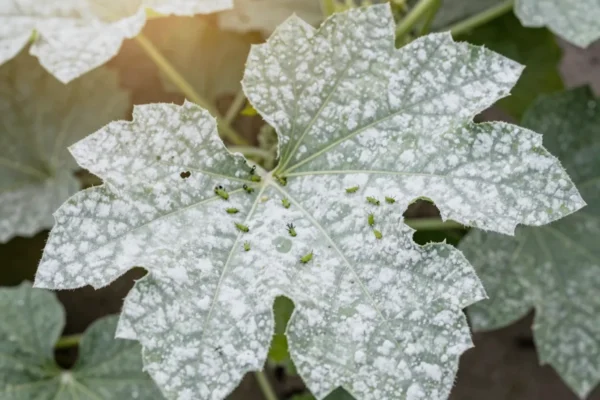
Pests & Plant Problems
Identify it first, then treat it in the order that costs least. This section covers garden pests and problems in a US…
Pollinators & Backyard Wildlife
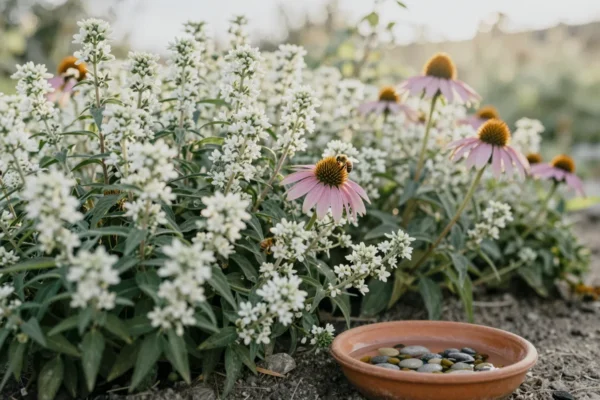
A pollinator garden feeds something other than you. This section covers planting for bees, butterflies and hummingbirds, with bloom windows that span…